­
9 10, 2026
  • letterpress-printing

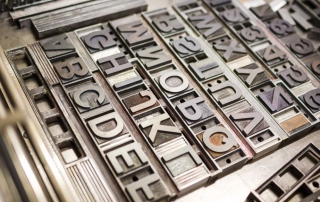
The Disappearing Art of Letterpress — and Why Designers Are Bringing It Back

Run a finger across a letterpress invitation and the letters may reveal themselves before you read them. The paper gives way slightly beneath the ink. Turn the card towards the light, and small shadows appear around the words. Something as ordinary as a name or a date becomes a physical presence.

That encounter helps explain why […]
8 10, 2026
  • Historical_Papers_banner5

When Print Becomes Evidence: The Role of Printed Material in Historical Research

Imagine finding a theatre programme tucked inside an old book. It lists a performance, a cast, a venue and a date. Someone has circled an actor’s name. An advertisement on the back promotes a restaurant that no longer exists.

For its original owner, this was probably a souvenir. For a historian, it offers several possible lines […]

7 10, 2026
  • papa

What Can a 100-Year-Old Newspaper Tell Us That a History Book Can’t?

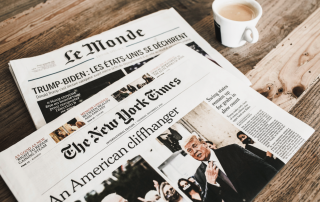
Someone bought that newspaper because they wanted to know what had happened yesterday.

Perhaps they read it over breakfast, folded it under an arm on the way to work, or borrowed it from a neighbour. They checked the headlines, glanced at the advertisements, looked for a familiar name. Once finished, they might have used it to […]

6 10, 2026
  • ph

The Forgotten Printed Objects That Document Everyday Life

Somewhere in a kitchen drawer, beneath spare batteries and keys that no longer open anything, there is probably a receipt. Perhaps a cinema ticket has slipped between the pages of a book. A takeaway menu might still be attached to the fridge, although the restaurant closed years ago.

We rarely think of these things as records. […]

2 10, 2026
  • revolurin

Why Every Revolution Has a Printing Story

A crowd fills a square. Someone climbs onto a platform. A speech begins, interrupted by cheers. This is how we tend to picture a revolution: bodies in the street, voices rising, authority suddenly looking less permanent.

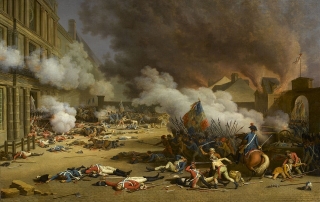
But somewhere nearby, another kind of work is happening. A printer is arranging type. Someone is checking a proof. Sheets […]

1 10, 2026
  • bund

How Print Helped Create Modern Cities

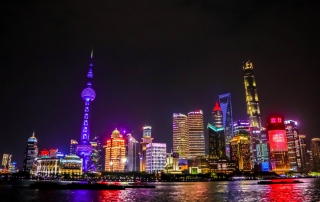
Imagine arriving in a city where nothing is printed. There are no street signs, maps, newspapers, shop labels, transport timetables, or public notices. Buildings and roads still exist, but finding your way, discovering opportunities, and understanding local rules becomes much harder. You must ask someone about almost everything.

This thought experiment reveals something we often overlook: […]

30 09, 2026
  • politic

The Political Life of a Piece of Paper

A political flyer lies on the pavement after a rally. Someone steps over it. Someone else picks it up. By evening, it may be in a rubbish bin, folded into a pocket, or pinned above a kitchen table.

The words have not changed, but the paper’s role has. It has become litter, a private possession, or […]

29 09, 2026
  • insta

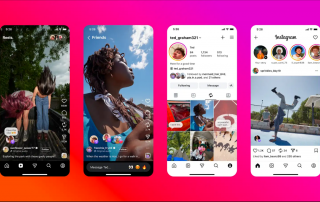
Before Instagram: How Posters Created Cultural Trends

Imagine walking through a city and seeing the same face on a wall outside a theatre, on a fence near the station, and beside the entrance to a café. You might not know the performer’s name yet, but by the end of the week, you would recognize them. If friends began talking about the show, […]

28 09, 2026
  • prd

How Printing Changed Who Had the Power to Spread Ideas

Imagine having an idea that could change the world, but no practical way to share it beyond the people you could meet or write to personally. For much of history, that was the problem. Ideas traveled through speech, handwritten letters, and manuscripts copied one at a time. Sharing a text widely required time, money, and […]

25 09, 2026
  • poster

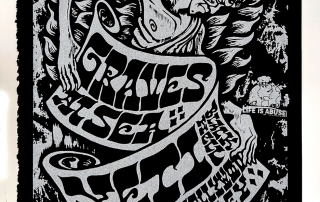
The Printed Poster: The Original Social Media

Long before Instagram feeds, Facebook posts, digital billboards, and viral TikToks, there was another medium competing for people’s attention: the printed poster.

It appeared on walls, shop windows, railway stations, cafés, theaters, street corners, and public squares. It announced concerts and exhibitions, advertised products, promoted films, communicated political ideas, recruited soldiers, introduced new fashions, and invited […]