


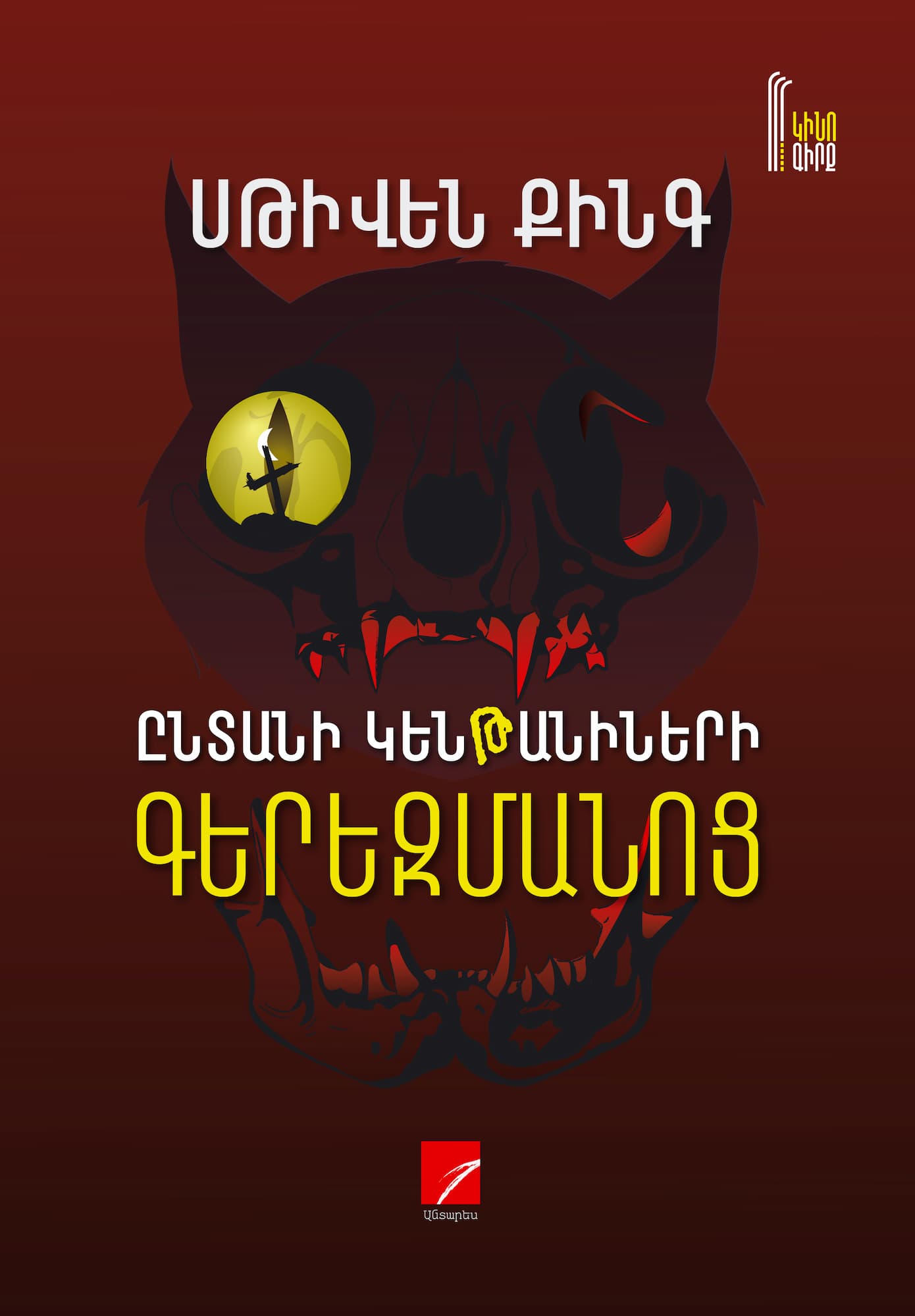
Stephen King’s Pet Sematary is often described as one of his darkest novels—and for good reason. While it contains all the familiar elements of classic horror—an ominous burial ground, the resurrection of the dead, and an ever-present sense of dread—the true terror of Pet Sematary does not stem from monsters or gore. Instead, it emerges from something far more intimate and unsettling: grief. At its core, Pet Sematary is a meditation on loss, denial, and the human refusal to accept death as final. By weaving supernatural horror into a deeply emotional narrative, King creates a story that transcends genre boundaries and speaks to universal fears that lie beneath the surface of horror fiction.
The Horror of Grief as the Central Engine
Unlike many traditional horror narratives that rely on external threats, Pet Sematary locates its primary horror within the psyche of its protagonist, Dr. Louis Creed. When Louis moves his family to rural Maine, the discovery of a local pet cemetery and, later, the ancient Micmac burial ground beyond it seems at first like a folkloric curiosity. Yet this discovery becomes catastrophic once Louis experiences the devastating loss of his young son, Gage.
Grief in Pet Sematary is not portrayed as a process that naturally unfolds toward healing. Instead, it is depicted as a consuming force that warps logic, ethics, and identity. Louis is a man of science, a rational physician who understands death biologically and intellectually. But King demonstrates that grief does not operate on logic. When faced with irreversible loss, Louis’s rational worldview collapses, replaced by desperate hope and magical thinking. This is where horror enters—not as a sudden shock, but as a slow erosion of moral boundaries.
In this way, Pet Sematary aligns with a broader trend in psychological horror, where emotional trauma becomes the true antagonist. The supernatural merely amplifies what is already broken inside the human heart.
Death as a Boundary Humans Cannot Accept
One of the novel’s most chilling ideas is that “sometimes, dead is better.” This refrain, repeated by Jud Crandall, serves as both warning and prophecy. Horror fiction has long explored the consequences of defying natural laws—Frankenstein’s monster, zombies, vampires—but King’s approach is uniquely domestic. The resurrection of the dead in Pet Sematary is not motivated by ambition or curiosity; it is motivated by love.
This is what makes the story so disturbing. Louis does not seek power. He seeks his child.
By framing resurrection as an act of grief rather than hubris, King forces readers to confront an uncomfortable question: if we had the chance to undo death, would we take it? And at what cost? In horror storytelling, the violation of boundaries—life and death, human and inhuman—is often punished. Pet Sematary reinforces this tradition while adding emotional complexity. The punishment is not simply physical danger; it is the irreversible corruption of love itself.
The Supernatural as Moral Corruption
The Micmac burial ground is not merely a haunted place—it is a corrupting influence. Those who return from it are never the same. They are altered, hollowed out, and driven by something unnatural. Unlike traditional ghosts or demons, the supernatural force in Pet Sematary is ambiguous and ancient. It does not explain itself, nor does it tempt directly. Instead, it waits.
This subtlety places Pet Sematary firmly within cosmic and folk horror traditions, where ancient powers exist beyond human comprehension. The land itself seems to possess agency, echoing themes found in H.P. Lovecraft’s work and rural folklore alike. Yet King grounds this cosmic dread in the familiar: family homes, children’s laughter, neighborhood paths.
The supernatural does not invade from the outside; it seeps into everyday life. This blending of the ordinary and the uncanny is one of King’s greatest strengths and a defining feature of modern horror storytelling.
Children and Horror: Innocence Lost
Children occupy a central and deeply unsettling role in Pet Sematary. Gage Creed’s death is arguably one of the most traumatic moments in King’s bibliography, precisely because it violates the cultural taboo surrounding harm to children. Horror often uses children as symbols of innocence or as eerie figures who blur the line between purity and menace. Pet Sematary does both.
Gage, when alive, represents warmth, continuity, and the future. When resurrected, he becomes a grotesque distortion of those ideals. This transformation taps into one of horror’s oldest fears: the corruption of innocence. The terror lies not in what Gage does, but in what he represents—a love that has been turned against itself.
This theme echoes across horror cinema and literature, from The Exorcist to Hereditary, where familial bonds become sites of horror rather than safety. King’s novel anticipates these later works by positioning the family unit as both sacred and terrifying.
Genre Context: Where Pet Sematary Fits in Horror Tradition
Pet Sematary sits at a crossroads of several horror subgenres. It draws from:
-
Psychological horror, through its exploration of grief and denial
-
Folk horror, via the ancient burial ground and rural superstition
-
Cosmic horror, in its suggestion of unknowable, ancient forces
-
Domestic horror, by centering fear within the family home
What distinguishes King’s approach is his refusal to prioritize spectacle over emotion. The novel’s most frightening moments are often quiet: a thought that should not be thought, a choice that should not be made. This restraint aligns Pet Sematary with literary horror rather than pulp tradition, even as it remains accessible to a broad audience.
Why Pet Sematary Still Resonates
Decades after its publication, Pet Sematary remains unsettling because it addresses fears that do not fade with time. Grief, death, and the desire to undo irreversible loss are universal experiences. In a modern context—where medicine extends life, technology preserves memories, and society increasingly resists conversations about death—the novel feels eerily relevant.
Contemporary horror has increasingly embraced themes of trauma and mourning, from novels to prestige television and film. Pet Sematary can be seen as a precursor to this shift, demonstrating that horror is most powerful when it reflects real emotional pain rather than abstract evil.
King himself has admitted that Pet Sematary frightened him more than anything else he had written. That fear is palpable on the page—not because the story is outrageous, but because it is plausible in its emotional logic. The reader may never bury a loved one in cursed ground, but everyone understands the impulse behind the act.
Horror as a Mirror of Human Vulnerability
Ultimately, Pet Sematary is not a story about monsters rising from the grave. It is a story about what happens when love refuses to let go. In the tradition of the best horror fiction, it uses the supernatural as a lens through which to examine human vulnerability. The novel suggests that the most dangerous forces are not ancient burial grounds or malevolent spirits, but the quiet voice inside us that says, maybe this time, it will be different.
By tying personal grief to supernatural consequence, Stephen King elevates Pet Sematary beyond conventional horror. It becomes a cautionary tale, a tragedy, and a deeply human story—one that continues to haunt readers because it asks us to confront a truth we would rather avoid: some boundaries exist for a reason, and crossing them, even out of love, can destroy everything we hold dear.