


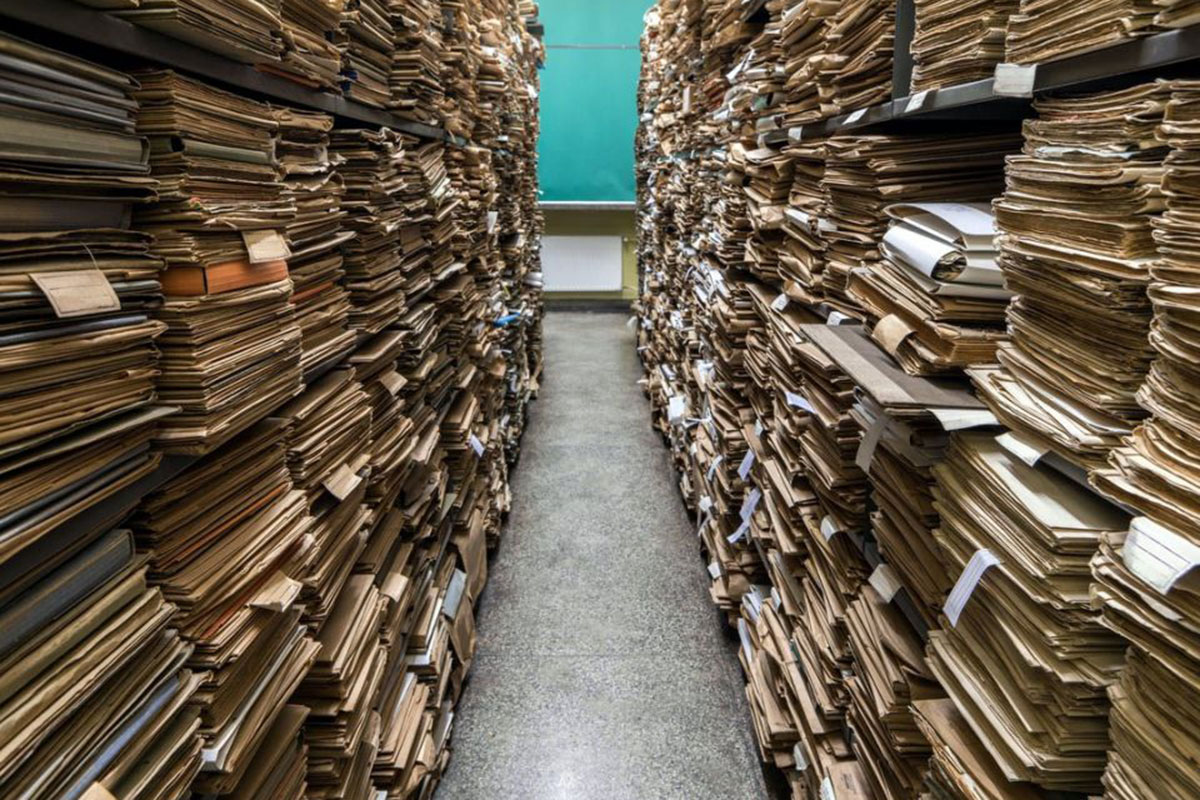
In the last decade, an extraordinary shift has taken place at the intersection of culture, technology, and publishing. Archives—once tucked away in climate-controlled rooms, guarded by preservation specialists, and accessible only to a narrow audience—are experiencing a renaissance. What was once locked behind physical barriers is now emerging into public view through an unprecedented wave of digitization. This evolution is not merely a technical update; it is reshaping research, enhancing public engagement, sustaining institutional memory, and redefining what it means to “publish” heritage.
Digitizing archives is more than scanning documents. It is a holistic, editorial, strategic, and curatorial process. It transforms fragile materials into dynamic digital experiences; it gives voice to forgotten stories; it reconnects dispersed collections; and it empowers institutions to share their heritage with new generations. In many ways, publishing archives today is an act of cultural stewardship—one that balances accuracy with accessibility, scholarship with storytelling, and preservation with innovation.
This blog explores the growing field of archival publishing, examining why digitizing decades of heritage collections matters, how institutions are approaching the challenge, and what it means for the future of cultural preservation.
Why Digitizing Heritage Collections Matters
1. Preserving Fragile Knowledge
Heritage collections—letters, manuscripts, photographs, maps, film reels, recordings, objects—are vulnerable by nature. Even with ideal environmental conditions, time has its toll. Paper becomes brittle. Ink fades. Film deteriorates. Physical handling accelerates degradation.
Digitization interrupts that cycle. A scanned manuscript or a high-resolution 3D model of an artifact ensures that even if the original deteriorates, its informational value is not lost. This shift extends the life of collections and protects them from environmental, political, and accidental risks.
2. Expanding Access Beyond Walls
Traditionally, archives required in-person visits, special permissions, and supervised workspaces. Digitization removes these barriers. A historian in Tokyo can explore Armenian manuscripts; a student in Buenos Aires can read letters from a Parisian artist; a class in Nairobi can analyze political posters from Eastern Europe.
This democratization of access represents one of digitization’s most powerful contributions—and aligns with the modern belief that cultural heritage should be accessible to all, not reserved for a select few.
3. Reuniting Dispersed Collections
Many heritage collections were scattered across the world due to migration, colonialism, war, or private sales. Digitization allows institutions to virtually reunite related materials, enabling researchers to see connections previously impossible to trace. Digital publishing platforms—catalogues, portals, open repositories—make these reunions not only achievable but navigable.
4. Supporting Research and Interdisciplinary Discovery
Digitized archives accelerate research in ways analog collections cannot. They enable:
-
Keyword search
-
Metadata tagging
-
Text recognition
-
Cross-collection linking
-
New scholarly tools like digital humanities visualizations
What once took weeks of manual page-turning now takes minutes. More importantly, digital formats encourage interdisciplinary work: historians, linguists, anthropologists, designers, scientists, and artists can all interact with the same materials in different ways.
The Editorial Side of Archival Digitization
While digitization is a technical process, publishing archives is an editorial one. Every digitization project requires a series of editorial decisions that shape how audiences will interpret and use the material.
1. Selection: What Gets Digitized First?
Few institutions have the resources to digitize everything at once. Editorial teams must decide:
-
What is most fragile?
-
What is most in demand?
-
What holds the most cultural or scholarly value?
-
What fills critical historical gaps?
-
What supports upcoming exhibitions or publications?
This stage is essentially curatorial. It involves understanding the narrative significance of each collection and its relevance to contemporary audiences.
2. Contextualization: Making Archives Understandable
Archives rarely speak for themselves. A letter might require historical background; a manuscript might need translation; a photograph might need identification of individuals or locations.
Editorial teams develop:
-
Introductions
-
Footnotes
-
Provenance notes
-
Biographical sketches
-
Thematic essays
-
Cross-references
This contextual layer transforms raw scans into meaningful, navigable knowledge.
3. Metadata: The Backbone of Digital Collections
High-quality metadata—titles, dates, names, keywords, descriptions—is essential for searchability. It is the difference between a beautiful but inert digital image and a truly usable archival resource.
Metadata standards like Dublin Core, MARC, or EAD ensure that collections integrate with global databases, making them discoverable by researchers worldwide.
4. Narrative Publishing: Turning Archives Into Stories
Increasingly, institutions are moving beyond static digital repositories. They are creating:
-
Digital exhibitions
-
Interactive timelines
-
Thematic online catalogues
-
Educational modules
-
Multimedia documentaries
-
Story-driven portals
This narrative approach transforms archives from static datasets into immersive experiences that engage both scholars and the general public.
Technological Innovations Reshaping the Field
Digitizing decades of heritage collections requires more than scanners. New technologies are expanding the possibilities of archival publishing.
1. High-Resolution Imaging
Modern imaging techniques—macro photography, multispectral scanning, infrared capture—reveal details invisible to the naked eye. They uncover erased text, faded pigments, and hidden notes, giving archivists new insights into historical materials.
2. 3D Digitization
Artifacts, sculptures, coins, textiles, and architectural fragments can now be captured as detailed 3D models. Viewers can rotate, zoom, inspect textures, and explore angles impossible with physical handling.
3. AI-Driven Restoration and Recognition
Machine learning tools are accelerating archival work:
-
Optical Character Recognition (OCR) for manuscripts and newspapers
-
Handwritten Text Recognition (HTR) for cursive scripts
-
Automated tagging and classification
-
Predictive restoration for damaged images
-
Speaker recognition in audio archives
These tools reduce manual labor and open massive collections to new research possibilities.
4. Linked Open Data
Heritage institutions increasingly publish collections in ways that interlink. A manuscript page from one archive might connect to a biography in another, to an artwork in a museum, to a location on a digital map. This interconnectedness creates an ecosystem rather than isolated archives.
5. Long-Term Digital Preservation
Digitization is not a one-time task. Institutions must manage:
-
Secure storage
-
Multiple redundancy backups
-
Periodic format migration
-
Integrity checks
-
Data accessibility protocols
Digital preservation strategies ensure that today’s scans remain accessible for centuries to come.
Challenges in Publishing Digitized Archives
Digitizing decades of heritage collections is also fraught with challenges.
1. Cost and Capacity
High-resolution equipment, trained staff, servers, and preservation systems require significant long-term investment.
2. Copyright and Rights Management
Many archives include materials still under copyright, letters containing personal data, or works with unclear ownership. Institutions must navigate:
-
Fair use
-
Permissions
-
Orphan works
-
Ethical publishing standards
3. Accuracy and Representation
Editorial interpretation can influence how history is framed. Institutions must maintain scholarly rigor while avoiding omissions or biases.
4. Balancing Public Access with Cultural Sensitivity
Some materials—sacred objects, private recordings, political documents—require careful handling. Digitization should respect the cultural values of originating communities.
5. Sustainability
Digital systems require constant upgrades, funding, and staff expertise. Without long-term planning, digitization risks becoming temporary.
Future Directions: The Next Frontier of Archival Publishing
The next decade will see archives evolve from digital libraries into integrated cultural ecosystems.
1. Immersive Experiences
Virtual reality (VR) and augmented reality (AR) will place audiences inside historical environments—recreating old libraries, workshops, archaeological sites, or artists’ studios.
2. Community-Driven Archives
Crowdsourced tagging, transcription, and oral histories will allow communities to participate in the preservation process, enriching collections with lived knowledge.
3. Personalized Research Tools
AI-driven recommendation systems will guide users to relevant materials, making archival research more intuitive than ever.
4. Cross-Institutional Mega-Platforms
National libraries, museums, archives, universities, and private collections are increasingly combining efforts to create unified heritage portals.
5. Ethical and Inclusive Archiving
Digitization will continue to uncover marginalized voices—women, minorities, migrants, rural communities—reshaping our understanding of cultural history.
Conclusion: Digitizing Heritage Is a Cultural Responsibility
Publishing archives is one of the most meaningful cultural endeavors of our time. It protects the fragile, amplifies the overlooked, reconnects the dispersed, and opens history to anyone with an internet connection. It transforms preservation from a closed process into a shared global mission.
Digitizing decades of heritage collections is not merely a modernization task—it is an act of cultural recovery. It ensures that future generations inherit not just objects, but narratives, identities, memories, and voices. And as technology continues to evolve, so will our ability to illuminate history with greater clarity, empathy, and accessibility.
In a world where information moves fast and memory is often fleeting, digitized archives become anchors of continuity. They remind us that behind every document is a human story—and that publishing those stories is one of the most powerful ways to keep our shared heritage alive.