


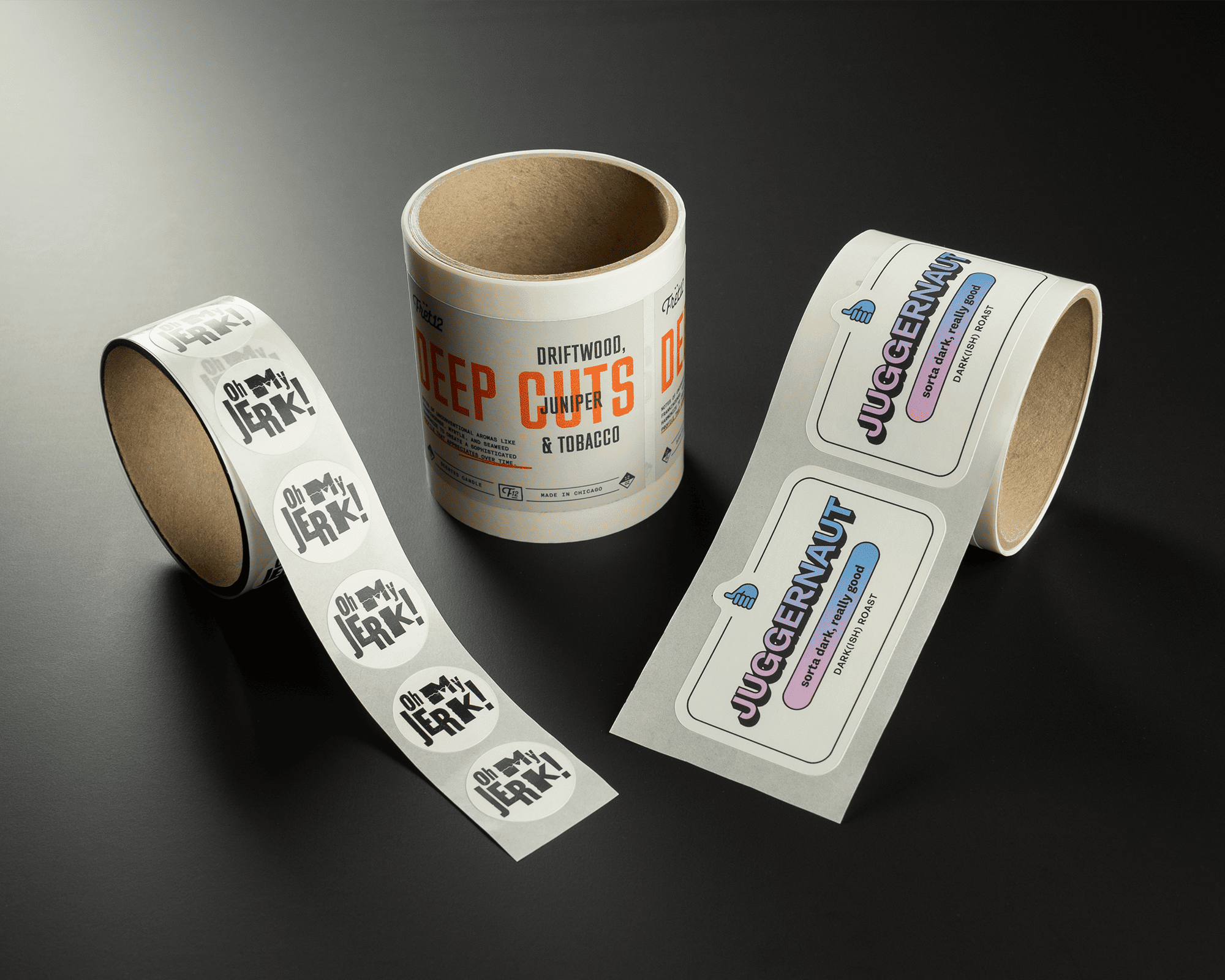
Imagine walking into a supermarket where every package is blank. You can still recognize an apple, but the two white cartons in the refrigerator could contain milk, cream, or an oat drink. The jars on the next shelf look identical. You can see that one contains a red sauce, but you have no idea what’s in it, who made it, or what to do with it once opened. Even a quick shopping trip would turn into a long series of guesses.
That’s how much work a label does before we even put a product in our basket. It identifies what we’re buying, tells us how to use it, and gives us a way to find it again. We tend to notice the design first. The small print often matters long after the packaging has caught our eye.
A label tells you what you’re holding
Two bottles may share the same shape, color, and cap while containing entirely different products. Even within a single brand, a shampoo and conditioner can look almost identical on the shelf. The difference may come down to one word on the front. At home, when both bottles are sitting in the shower and you’re reaching for one with wet hands, that word needs to be easy to find.
Labels also distinguish products that look alike by design. A skincare brand might use the same bottle for several formulas. A coffee roaster might sell beans from different regions in identical bags. That consistency makes the brand recognizable, while the product name, variant, and other details give shoppers a reason to choose one package over another.
Much of this information is easy to take for granted until the label peels off. Think of the cable in your drawer that fits several devices. You can see what kind of connector it has, but you might have forgotten which device it came with. A few printed characters on the cable or adapter can save you from having to work that out again.
Safety information has to survive everyday use
People consult safety information at different points in a product’s life. A shopper may check a food label for an ingredient before buying it. Someone washing a sweater may look for the care instructions months after taking it home. A person opening a new cleaning product may need to know whether it’s intended for the surface they’re about to clean.
In each case, where the information appears matters. A warning printed on an outer box can disappear when the box is recycled. Instructions on a bottle can become unreadable if the ink smudges. A laundry symbol can survive dozens of washes and still leave someone puzzled if they’ve never learned what it means. Giving people useful information involves deciding where they’ll look for it and whether they’ll be able to read it when they get there.
The conditions a package will face also shape how its label is printed. A label on a refrigerated drink may have to stay attached through condensation. A bottle that lives beside a sink will get wet repeatedly. A shipping label may rub against other boxes in transit. The paper, adhesive, ink, and finish all affect whether the information remains available.
Trust grows when the details add up
A label makes promises in small, concrete ways. The front of a jar tells you what’s inside. The quantity tells you how much you’re getting. The ingredient list gives you a closer look at what went into it. Together, those details let you compare products and decide whether the description matches what you want.
Trust can erode when the details are difficult to find. A large illustration of strawberries might lead you to expect one thing, while a more precise description printed in small type tells you something else. Even if you eventually find the information you need, you may remember how much effort it took. The next time you’re at the shelf, that experience can influence which package you pick up.
Clear labels also help people buy the same thing twice. If you liked a particular coffee, being able to identify its roast or origin matters more than remembering that the bag was blue. A label gives you words to search for, details to share with someone, and a way to distinguish the product you liked from the one beside it.
The smallest codes can do the most work
Some of the most consequential information on a package is barely visible at a glance. A retail barcode commonly identifies the product for a checkout or inventory system. A batch or lot code can identify a particular group of units produced together. Two packages can look the same and carry the same retail barcode while belonging to different batches.
That distinction matters when a company investigates a complaint. If a customer provides the lot code from a package, the manufacturer can use it to look up the relevant production records. In a recall, a lot code can help retailers and customers identify the affected units. A smeared or missing code makes it harder to connect the item someone is holding to the records that explain where it came from.
The code looks like a minor detail because it occupies so little space. Its value comes from what it links together: a physical item, a set of production records, and the people who may need to act on that information.
What disappears when the label does?
A missing label changes who has to do the work. The shopper has to ask what’s inside. The retailer has to work out how to identify or price the item. The manufacturer may struggle to trace the batch. And the person who takes the product home may have to rely on memory for instructions someone else will eventually need.
Think of a jar transferred from its original packaging to an unmarked container. The person who filled it may remember the contents perfectly. To everyone else in the kitchen, it’s a jar of something that looks familiar. A handwritten name can restore that piece of information in seconds. The original packaging may have carried other details worth keeping, from ingredients to preparation instructions.
The next time you pick up a familiar product, turn it around and see how many questions its packaging answers. Then imagine trying to answer them with the package blank. That’s the everyday work of a label, done in a space most of us read only when we need it.