


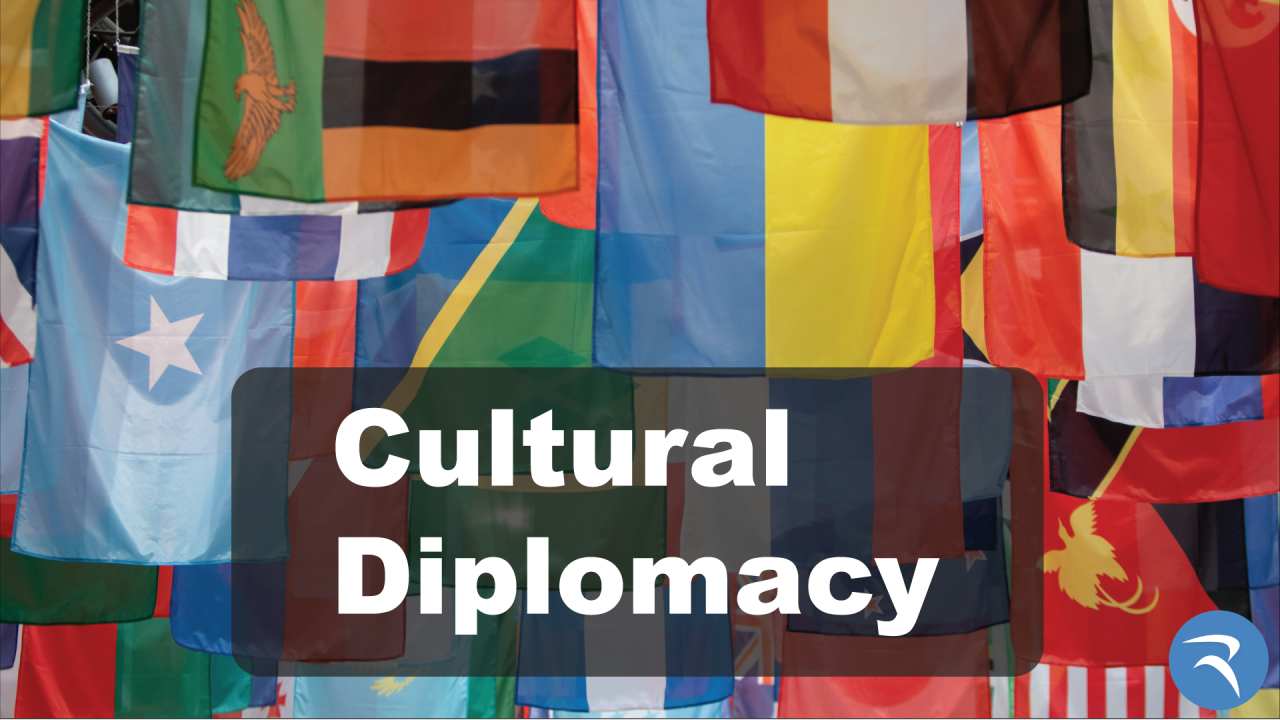
In an increasingly interconnected yet fragmented world, the act of publishing transcends its commercial purpose. It becomes a form of cultural diplomacy—a bridge that connects nations not through political treaties or trade deals, but through stories, ideas, and shared human experience. From ancient manuscripts to modern digital editions, books have always carried the power to reveal who we are, how we think, and what we value. Today, when diplomacy often struggles under the weight of geopolitics, publishing emerges as a quiet yet powerful force for mutual understanding and global connection.
The Historical Roots of Literary Exchange
The notion that books could foster diplomacy is not new. The earliest examples can be traced back to the translation movements of the medieval world. In Baghdad’s House of Wisdom during the 9th century, scholars translated Greek, Persian, and Indian texts into Arabic, laying the groundwork for a cross-cultural intellectual renaissance. Centuries later, the invention of the printing press democratized access to knowledge, enabling ideas to travel beyond borders and languages faster than ever before.
The Renaissance itself was shaped by translated works—Aristotle, Plato, and Galen reached European thinkers through Arabic intermediaries. These translations didn’t merely introduce new knowledge; they sparked conversations between civilizations, inspiring innovation in science, philosophy, and art.
Fast-forward to the 20th century, and we see major publishing initiatives as instruments of cultural diplomacy. The U.S. government’s post-war Fulbright Program and UNESCO’s Translation Project both recognized that mutual understanding begins with exposure to the other’s culture, literature, and worldview. Books became ambassadors of values, curiosity, and empathy.
Publishing Beyond Politics
Diplomacy is often associated with negotiation rooms and state dinners, but the cultural kind operates on a subtler wavelength. It thrives on curiosity rather than compromise, and publishing is one of its most enduring vehicles.
When a reader in France picks up a novel by a Japanese author like Haruki Murakami, or a student in Argentina reads the poetry of Anna Akhmatova, an invisible bridge is formed. Through translation, editing, and distribution, publishers facilitate these encounters—making it possible for a person to understand lives, emotions, and histories that exist far beyond their own geography.
Unlike formal diplomacy, cultural diplomacy through publishing doesn’t aim to persuade or defend; it aims to share. The result is not propaganda but resonance—a sense that human experience, though shaped by place and language, is fundamentally universal.
The Translator as Cultural Mediator
If publishing is the mechanism of cultural diplomacy, the translator is its key diplomat. Translators occupy a unique dual role: they are interpreters of both language and context. A good translation is not merely accurate—it’s alive, capturing rhythm, tone, and cultural nuance.
Consider the works of Gabriel García Márquez. His novels, originally written in Spanish, transformed world literature once translated into English, French, and dozens of other languages. The translator Gregory Rabassa famously said that translating Márquez was like “translating the wind”—a poetic expression of how delicate and profound cultural transfer can be.
Translation not only makes texts accessible but also enriches the receiving culture. It introduces new metaphors, rhythms, and ways of thinking. In this sense, every translated book contributes to a dialogue between civilizations—a dialogue carried out not by politicians, but by writers, translators, editors, and readers.
Publishing as Soft Power
In the realm of international relations, soft power refers to a nation’s ability to shape global perceptions through attraction rather than coercion. Books play a crucial role here.
For instance, the global popularity of Scandinavian crime fiction—authors like Stieg Larsson or Jo Nesbø—has done more to shape the image of Nordic societies abroad than any official PR campaign could. Similarly, Japan’s literary exports, from The Tale of Genji to modern manga, have helped build a powerful cultural identity that blends tradition and innovation.
Publishing houses often operate as cultural ambassadors, whether intentionally or not. When Penguin Classics curates world literature, or when independent presses in Armenia, Georgia, or Vietnam bring local voices to international readers, they’re performing a kind of diplomacy—fostering respect and curiosity across borders.
The Role of International Book Fairs and Literary Festivals
One of the most visible expressions of publishing as cultural diplomacy can be found at international book fairs and literary festivals. These events serve as meeting grounds where cultures intersect—not just through trade but through dialogue.
The Frankfurt Book Fair, for instance, is not only a commercial event but a global forum for cultural exchange. Each year, a “Guest of Honour” country presents its literary heritage to the world, accompanied by exhibitions, readings, and translation grants. This is diplomacy in action—performed through literature.
Similarly, festivals like the Hay Festival (originating in Wales but now held globally) or the Jaipur Literature Festival in India bring together writers, publishers, and readers from across continents. The conversations that take place there—about identity, migration, climate change, or memory—extend beyond the page and shape the moral imagination of global citizens.
Small Nations, Big Voices
For smaller nations, publishing can be an especially potent diplomatic tool. Countries that may not have strong geopolitical influence can nonetheless project a vivid image of their culture through books.
Armenia, Georgia, Iceland, or Slovenia may not dominate international headlines, but their literary traditions speak volumes. When a book like My Name is Aram by William Saroyan or The Eighth Life by Nino Haratischwili reaches global readers, it introduces not only stories but histories, languages, and ways of seeing the world that might otherwise remain invisible.
Through publishing, such nations assert their place on the cultural map. They contribute to the world’s narrative diversity—reminding us that global understanding depends not on homogenization but on multiplicity.
Digital Diplomacy: The New Frontier
The digital revolution has redefined publishing and, with it, the dynamics of cultural diplomacy. Online platforms, audiobooks, e-libraries, and digital publishing initiatives make cross-border exchange faster and more inclusive than ever.
Projects like Worldreader, which provides digital books to readers in developing countries, or Google Books, which has digitized millions of titles worldwide, have created unprecedented access to global literature. Independent authors can publish in multiple languages, small presses can distribute internationally, and translation AI tools are narrowing linguistic divides.
However, digital publishing also raises new questions: How do we preserve linguistic diversity in a digital age dominated by English? How do we ensure that global distribution does not flatten cultural specificity? These are the new diplomatic challenges for publishers and cultural institutions alike.
Publishing Diplomacy in Action
Several contemporary initiatives demonstrate how publishing can serve as deliberate cultural diplomacy:
-
The European Union’s Creative Europe Programme funds translation projects that promote cross-cultural understanding.
-
The Sheikh Zayed Book Award in the UAE aims to bridge Arab culture with global audiences through high-quality literary translations.
-
China’s Silk Road Book Project supports the publication of Chinese literature abroad to promote mutual understanding within the Belt and Road region.
-
The PEN International Translation Committee advocates for the rights of translators and fosters intercultural dialogue through literature.
These projects underscore one truth: cultural diplomacy thrives when it is reciprocal, when nations not only export but also import stories—when the exchange of words is two-directional.
Books as Empathy Machines
At its heart, publishing as cultural diplomacy is about empathy. Books teach us to see through another’s eyes, to experience another’s history, to feel the pulse of another’s reality. When a child in Seoul reads The Little Prince, or a reader in Yerevan discovers Toni Morrison, boundaries dissolve.
This emotional understanding—born of narrative immersion—is the foundation of peace more enduring than any political accord. As the writer Margaret Atwood once said, “A word after a word after a word is power.” That power, when shared across borders, becomes diplomacy in its purest form.
Conclusion: The Future of Literary Bridges
In a time of polarization, misinformation, and cultural misunderstanding, the act of publishing—of sharing books, stories, and voices—has renewed diplomatic significance. Publishers, translators, and writers together form an ecosystem of cultural ambassadors who remind us that connection is possible even when politics fails.
Books connect nations not through force, but through imagination. They remind us that we all dream, grieve, and hope in similar ways—even if we speak in different tongues. As we move into the next era of global communication, it is worth remembering that every time a story crosses a border, diplomacy takes place.
And perhaps, one day, it will be the shared books—not the shared borders—that define how nations understand each other.