


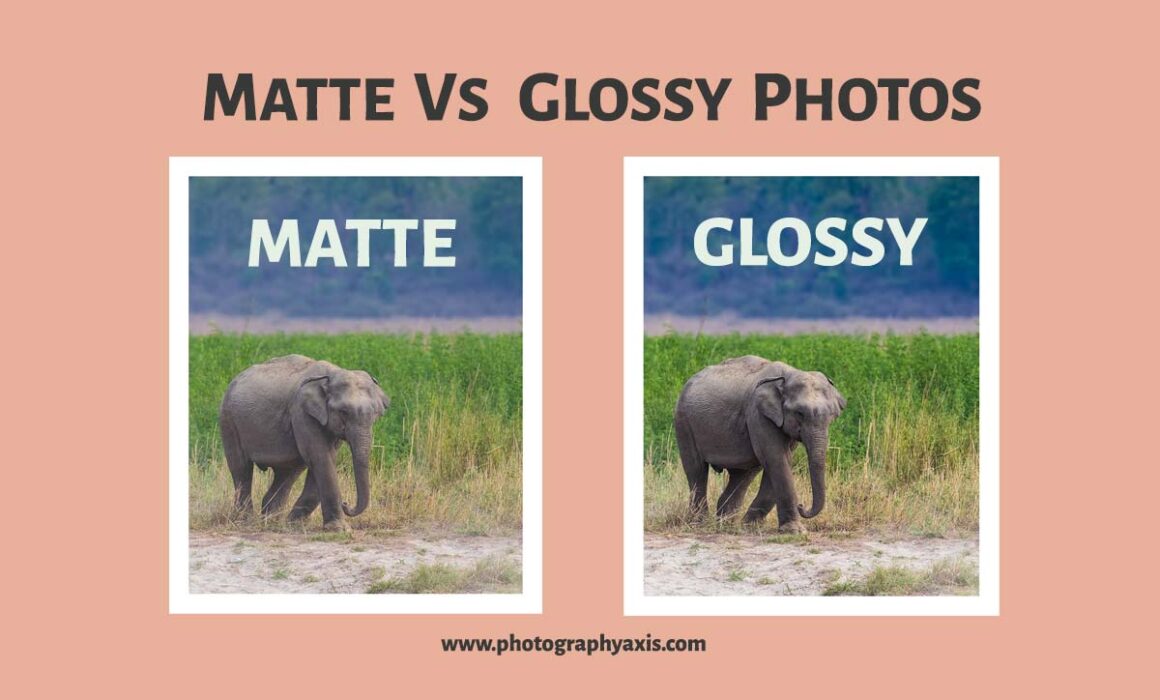
In the world of printing and design, the smallest details often make the biggest impact. Paper weight, color accuracy, texture, and coating all influence how a printed piece is perceived. Among these decisions, one of the most important—and often underestimated—is the choice between matte and glossy finishes.
Whether you are printing business cards, brochures, magazines, packaging, posters, photographs, or marketing materials, the finish you choose affects not only the appearance of the product but also how people interact with it emotionally and physically. A glossy finish can create vibrancy and energy, while a matte finish may communicate elegance and sophistication. Choosing the wrong finish can weaken the intended message, while the right one can elevate a design dramatically.
Understanding the differences between matte and glossy finishes helps businesses, designers, publishers, and marketers make smarter printing decisions that align with their goals, audiences, and brand identity.
What Is a Glossy Finish?
A glossy finish is characterized by its shiny, reflective surface. It is designed to reflect light, making colors appear brighter, sharper, and more saturated. Gloss coatings are commonly used in marketing materials and photographic prints because they create visual impact and attract attention quickly.
Glossy finishes are typically achieved through special coatings or laminations applied after printing. These coatings enhance contrast and sharpness, giving images a more vibrant and polished appearance.
Key Characteristics of Glossy Finishes
- High reflectivity
- Bright and vivid color reproduction
- Sharp image clarity
- Smooth surface texture
- Eye-catching appearance
Because glossy surfaces reflect light strongly, they tend to create a more dynamic and energetic visual effect. This is why many commercial advertisements, catalogs, and promotional materials rely heavily on glossy finishes.
What Is a Matte Finish?
A matte finish, by contrast, has a non-reflective and subdued appearance. Rather than reflecting light, matte surfaces absorb it, resulting in softer visuals and a more refined aesthetic.
Matte coatings are often associated with sophistication, minimalism, and readability. They create a smooth but less shiny surface that reduces glare and fingerprints, making them especially practical for printed materials that are handled frequently.
Key Characteristics of Matte Finishes
- Low reflectivity
- Soft and muted appearance
- Reduced glare
- Elegant and modern aesthetic
- Better readability in bright light
Matte finishes are commonly used in luxury branding, editorial design, corporate materials, and high-end packaging because they communicate subtlety and professionalism.
The Visual Difference Between Matte and Glossy
The most obvious distinction between matte and glossy finishes is how they interact with light.
Glossy finishes reflect light intensely, making colors pop and details appear crisp. This creates a bold and vibrant effect that naturally draws attention. Matte finishes diffuse light instead of reflecting it directly, producing softer tones and a calmer visual experience.
Imagine the difference between a brightly lit storefront display and a luxury boutique with soft ambient lighting. Both may be beautiful, but they communicate entirely different moods.
Glossy printing says:
- Bold
- Dynamic
- Modern
- Energetic
- Commercial
Matte printing says:
- Elegant
- Sophisticated
- Minimal
- Premium
- Artistic
Neither is inherently better—the effectiveness depends entirely on the purpose of the printed material.
When to Use a Glossy Finish
Glossy finishes work best when visual impact is the top priority. If your design relies heavily on vibrant colors, detailed photography, or high contrast, glossy coatings can enhance those elements significantly.
1. Photographs and Photo Books
Glossy paper is widely used in photography because it enhances color depth and image sharpness. Landscapes, fashion photography, food photography, and travel images especially benefit from glossy finishes because the colors appear richer and more immersive.
For photo-heavy projects where visual intensity matters, glossy finishes often provide the strongest results.
2. Marketing and Promotional Materials
Brochures, flyers, posters, and catalogs are designed to attract attention quickly. Glossy finishes help printed marketing materials stand out by amplifying colors and creating a polished appearance.
Retail advertising frequently uses gloss because it conveys excitement and energy, making products look more appealing.
3. Product Packaging
Many consumer products use glossy packaging to create a modern and attractive shelf presence. Cosmetics, electronics, beverages, and luxury consumer goods often incorporate gloss coatings to emphasize quality and visual appeal.
The reflective surface can also make packaging appear more premium and professionally produced.
4. Menus and Restaurant Materials
Restaurants sometimes choose glossy menus because they resist moisture and are easier to wipe clean. Additionally, glossy finishes can make food photography look more appetizing by enhancing richness and color vibrancy.
5. High-Color Designs
Designs with bold graphics, saturated colors, and high-contrast imagery generally perform well with gloss coatings. If the goal is maximum visual stimulation, glossy is often the preferred choice.
The Drawbacks of Glossy Finishes
Despite their advantages, glossy finishes are not suitable for every project.
Glare and Reflection
One of the biggest disadvantages of gloss is glare. Under bright lighting, reflections can make text difficult to read and images harder to view comfortably.
This is particularly problematic for books, magazines, informational materials, or displays viewed under strong lighting conditions.
Fingerprints and Smudges
Glossy surfaces tend to show fingerprints, dust, and smudges more easily than matte finishes. Materials that are frequently handled may quickly lose their clean appearance.
Less Sophisticated Appearance
While glossy finishes can look modern and vibrant, they may also appear overly commercial or flashy in certain contexts. For luxury brands or minimalist designs, gloss may feel too aggressive visually.
When to Use a Matte Finish
Matte finishes are ideal when readability, elegance, and subtle sophistication are more important than visual intensity.
1. Business Cards
Matte business cards are popular because they feel refined and professional. They also allow easier writing with pens or pencils, which can be useful for notes or contact details.
Many premium brands prefer matte cards because they communicate understated confidence rather than overt promotion.
2. Books and Editorial Printing
Books, magazines, journals, and editorial publications often use matte finishes because they reduce glare and improve reading comfort.
Readers spend extended periods interacting with these materials, so minimizing eye strain becomes important.
3. Luxury Packaging
High-end brands frequently use matte packaging to create an elegant and sophisticated experience. Matte surfaces often feel more tactile and premium, especially when combined with embossing, foil stamping, or textured materials.
Luxury fashion, cosmetics, jewelry, and specialty food packaging commonly rely on matte finishes for this reason.
4. Corporate Materials
Annual reports, presentations, portfolios, and corporate brochures often benefit from matte finishes because they appear more serious and professional.
A matte finish can help communicate trust, stability, and refinement.
5. Minimalist Design Projects
Minimalist design aesthetics pair exceptionally well with matte finishes. Clean typography, muted color palettes, and modern layouts often appear more cohesive and sophisticated on non-reflective surfaces.
The Drawbacks of Matte Finishes
Matte finishes also have limitations that should be considered carefully.
Less Color Vibrancy
Because matte coatings absorb light rather than reflect it, colors may appear softer and less saturated. Designs that rely heavily on vivid imagery may lose some visual impact.
Reduced Sharpness
Photographic details can appear slightly less crisp on matte surfaces compared to gloss.
Higher Visibility of Scratches
Some matte coatings may show scratches or scuff marks more easily, especially on dark-colored surfaces.
Matte vs Glossy: Which Is More Durable?
Durability depends largely on the specific coating or lamination used, but glossy laminations are often slightly more resistant to moisture and surface wear. Matte laminations, however, are generally better at hiding fingerprints and everyday handling marks.
For frequently touched materials:
- Matte hides fingerprints better
- Gloss is easier to wipe clean
For long-term visual preservation:
- Gloss may retain vibrancy longer
- Matte maintains a cleaner appearance over time
Ultimately, durability should be evaluated based on the intended use of the printed item.
The Psychological Impact of Finishes
Print finishes influence perception more than many people realize. Human psychology responds strongly to texture, light, and surface quality.
Glossy finishes often create associations with:
- Energy
- Excitement
- Innovation
- Modern retail culture
- Entertainment
Matte finishes are more commonly associated with:
- Luxury
- Authenticity
- Calmness
- Professionalism
- Timelessness
This psychological dimension is especially important in branding. A premium fashion label and a fast-food chain communicate very different emotional experiences, and print finishes help reinforce those identities.
Combining Matte and Glossy Finishes
Interestingly, many premium print projects use both finishes together.
Spot UV printing is a popular technique where selected areas receive a glossy coating on top of a matte background. This creates contrast, texture, and visual interest without overwhelming the design.
Examples include:
- Glossy logos on matte business cards
- Gloss highlights on product packaging
- Textured magazine covers
- Luxury invitations and promotional materials
Combining finishes strategically can create a sophisticated tactile experience that immediately captures attention.
How to Choose the Right Finish
When deciding between matte and glossy finishes, consider the following questions:
What Is the Purpose of the Print?
- Attention-grabbing marketing → Glossy
- Elegant branding → Matte
- Photography showcase → Glossy
- Readable editorial content → Matte
Who Is the Audience?
- Younger retail audiences may respond well to bold gloss
- Professional or luxury audiences often prefer matte sophistication
How Will the Material Be Used?
- Frequently handled items → Matte may age better visually
- Display-oriented materials → Gloss may stand out more
What Emotion Should It Create?
- Excitement and vibrancy → Glossy
- Trust and refinement → Matte
The finish should support the message, not compete with it.
Final Thoughts
The debate between matte and glossy finishes is not about which option is universally superior. Instead, it is about understanding how each finish shapes perception, usability, and emotional response.
Glossy finishes excel when vibrancy, contrast, and visual impact are essential. Matte finishes shine when elegance, readability, and sophistication matter most. Both have unique strengths, and the most successful print projects choose finishes intentionally rather than automatically.
In modern printing, details matter more than ever. Consumers increasingly notice quality, texture, and presentation, even subconsciously. A thoughtfully chosen finish can transform an ordinary printed piece into a memorable brand experience.
Whether you are designing packaging, publishing a magazine, printing marketing materials, or creating business cards, understanding the power of matte and glossy finishes helps ensure that your printed materials not only look beautiful but also communicate the right message to the right audience.