


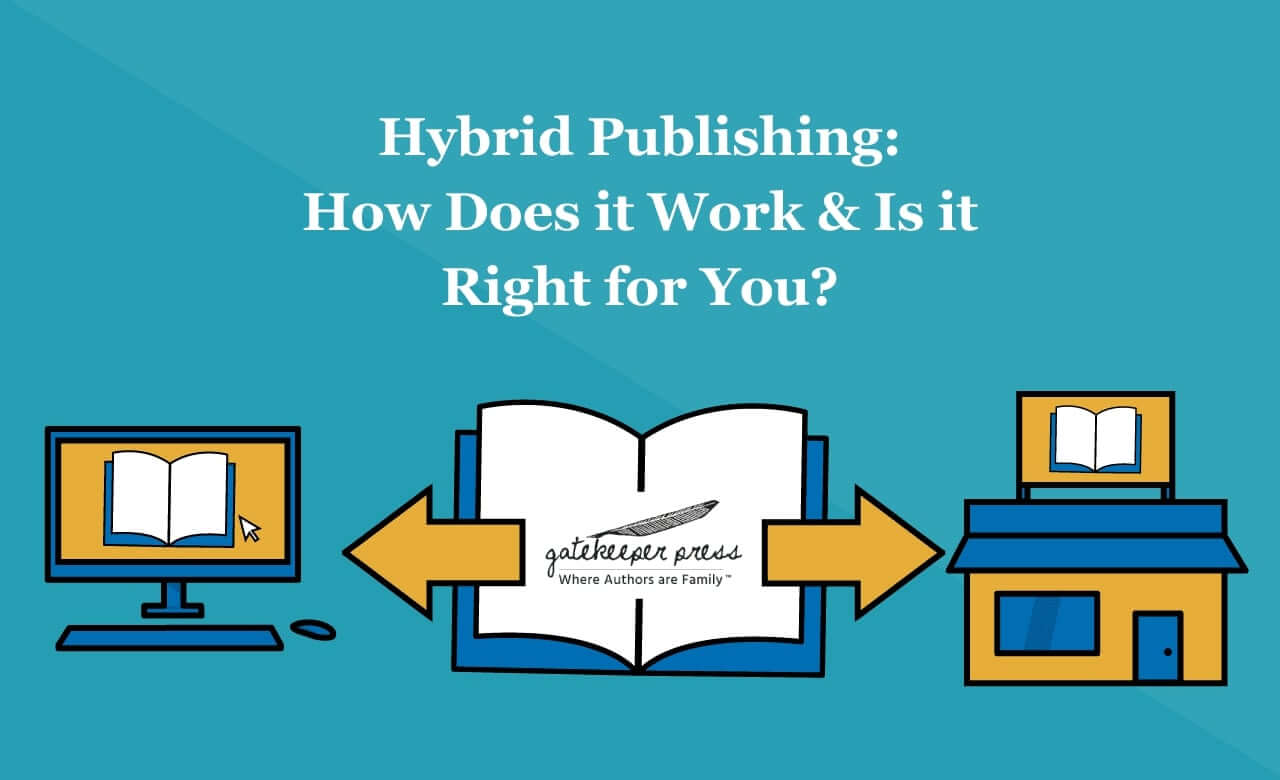
Publishing is no longer defined by a single format. The traditional boundaries between print and digital have blurred, giving rise to what is now widely known as hybrid publishing. This approach does not position print and digital as competitors, but rather as complementary formats that enhance one another. In a world where readers move seamlessly between screens and physical pages, hybrid publishing represents not just a trend, but a structural shift in how content is created, distributed, and experienced.
At its core, hybrid publishing is about integration. It combines the tactile, immersive qualities of print with the accessibility, interactivity, and scalability of digital media. Rather than choosing one over the other, publishers and creators design ecosystems where both coexist—each serving a distinct role in a unified storytelling or information experience.
The Evolution from Print to Hybrid Models
For centuries, print was the dominant—and often only—medium for written communication. Books, newspapers, and magazines shaped culture, education, and public discourse. The arrival of digital publishing in the late 20th century disrupted this long-standing model. Suddenly, content could be distributed instantly, updated continuously, and accessed globally without physical constraints.
Initially, digital media was seen as a replacement for print. Many predicted the decline of physical books and newspapers. However, that prediction proved incomplete. While digital formats grew rapidly, print did not disappear. Instead, it adapted.
Readers continued to value printed materials for their tangibility, focus, and aesthetic presence. At the same time, digital platforms offered convenience, searchability, multimedia integration, and real-time updates. Over time, it became clear that each format had unique strengths. Hybrid publishing emerged as a response to this reality—not as a compromise, but as an evolution.
What Defines Hybrid Publishing?
Hybrid publishing is not simply producing both a book and a PDF version of the same content. It is a more intentional and interconnected system. In a true hybrid model, print and digital formats are designed to work together, often extending the reader’s experience beyond a single medium.
A hybrid publication might include:
- A printed book with embedded QR codes linking to videos, interviews, or interactive content
- A digital edition enriched with audio narration, animations, or supplementary materials
- A website or app that expands on the themes of the printed work
- Social media extensions that allow readers to engage with authors or communities in real time
The key idea is continuity. Instead of treating print and digital as separate products, hybrid publishing treats them as parts of a larger narrative or informational ecosystem.
Why Hybrid Publishing Matters Today
Modern readers consume content in fragmented ways. A person might begin reading a printed book at home, continue on a mobile device during a commute, and later watch a related video or discussion online. This fluid behavior is not an exception—it is the norm.
Hybrid publishing responds to this behavior by making content adaptable to context. It acknowledges that attention is no longer tied to a single medium or device.
There are several reasons why this model has become increasingly important:
1. Changing reading habits
People switch between formats depending on convenience, environment, and purpose. Hybrid publishing ensures continuity across these transitions.
2. Technological accessibility
Smartphones, tablets, and e-readers have made digital content widely accessible. At the same time, print remains valued in education, art, and long-form reading.
3. Demand for richer experiences
Readers increasingly expect more than static text. They want multimedia, interactivity, and deeper engagement with content.
4. Educational transformation
In learning environments, hybrid materials support different learning styles. A printed textbook can be paired with interactive exercises, videos, or simulations online.
The Strengths of Print in a Hybrid Ecosystem
Despite the rise of digital media, print continues to hold significant value. In hybrid publishing, it plays a foundational role rather than a secondary one.
Print offers a sense of permanence and focus that digital screens often struggle to replicate. A printed book does not send notifications or compete with other apps. It creates a bounded reading experience, which many readers find essential for deep concentration.
There is also a psychological dimension. Physical books are often perceived as more credible, especially in academic or literary contexts. They carry cultural and emotional weight that enhances the reading experience.
Design also plays a crucial role. Typography, paper quality, binding, and layout all contribute to how a reader interacts with content. In hybrid publishing, print is often used as a premium or anchor experience—something stable and thoughtfully crafted.
The Strengths of Digital in a Hybrid Ecosystem
Digital publishing brings flexibility and dynamism that print cannot match. Content can be updated instantly, expanded endlessly, and distributed globally at minimal cost.
One of its most powerful features is interactivity. Readers are no longer passive consumers; they can click, explore, watch, listen, and participate. This transforms reading into a multi-sensory experience.
Digital formats also enable personalization. Algorithms can recommend content based on reading behavior, while adaptive platforms can adjust difficulty levels in educational materials.
Another key advantage is accessibility. Digital content can be made available in multiple languages, formats (such as audio for visually impaired readers), and devices, expanding reach significantly.
How Print and Digital Work Together
The true power of hybrid publishing lies in how print and digital reinforce each other.
A printed book can act as a gateway to a digital ecosystem. For example, a reader might scan a QR code in a physical book and be directed to an online archive of additional chapters, interviews, or multimedia content. Conversely, digital platforms can drive interest in physical editions by offering previews or exclusive print-only content.
This interplay creates a layered reading experience:
- Print provides depth and structure
- Digital provides expansion and interaction
- Together, they create continuity and immersion
For authors and publishers, this means thinking beyond a single format. Content must be designed from the beginning with multiple touchpoints in mind.
Challenges of Hybrid Publishing
While hybrid publishing offers many advantages, it also introduces complexity.
One of the main challenges is production cost. Creating both print and digital versions, especially when they are deeply integrated, requires additional resources, time, and technical expertise.
Another challenge is design coordination. Ensuring that print and digital elements complement each other without redundancy or confusion requires careful planning.
There is also the issue of technological accessibility. Not all readers have equal access to digital tools or stable internet connections. This means that print must remain fully functional on its own, even when part of a larger hybrid system.
Finally, there is the risk of fragmentation. If not well-designed, hybrid content can feel disjointed, with readers unsure of where to engage or how different components relate to each other.
The Future of Hybrid Publishing
Hybrid publishing is likely to become the dominant model rather than a niche experiment. As technology continues to evolve, the boundaries between formats will blur even further.
We can already see early signs of this future:
- Books that integrate augmented reality experiences
- Educational materials that combine print textbooks with AI-driven learning platforms
- Magazines that extend into podcasts, videos, and live digital events
- Storytelling formats that move fluidly between page, screen, and interactive environments
In this future, publishing will not be defined by format at all, but by experience design. The question will no longer be “print or digital,” but “what is the best combination of mediums for this story, audience, or purpose?”
Conclusion
Hybrid publishing represents a fundamental shift in how content is conceived and delivered. It acknowledges that readers live in a multi-format world and that no single medium can fully meet all needs.
Rather than replacing print with digital or vice versa, hybrid publishing brings them into dialogue. Print offers depth, focus, and permanence. Digital offers flexibility, interactivity, and scale. Together, they create richer, more adaptable, and more engaging experiences.
As the publishing landscape continues to evolve, the most successful creators and publishers will be those who do not think in terms of format limitations, but in terms of integrated experiences. Hybrid publishing is not just the future of books or media—it is the future of how ideas themselves are shared.