


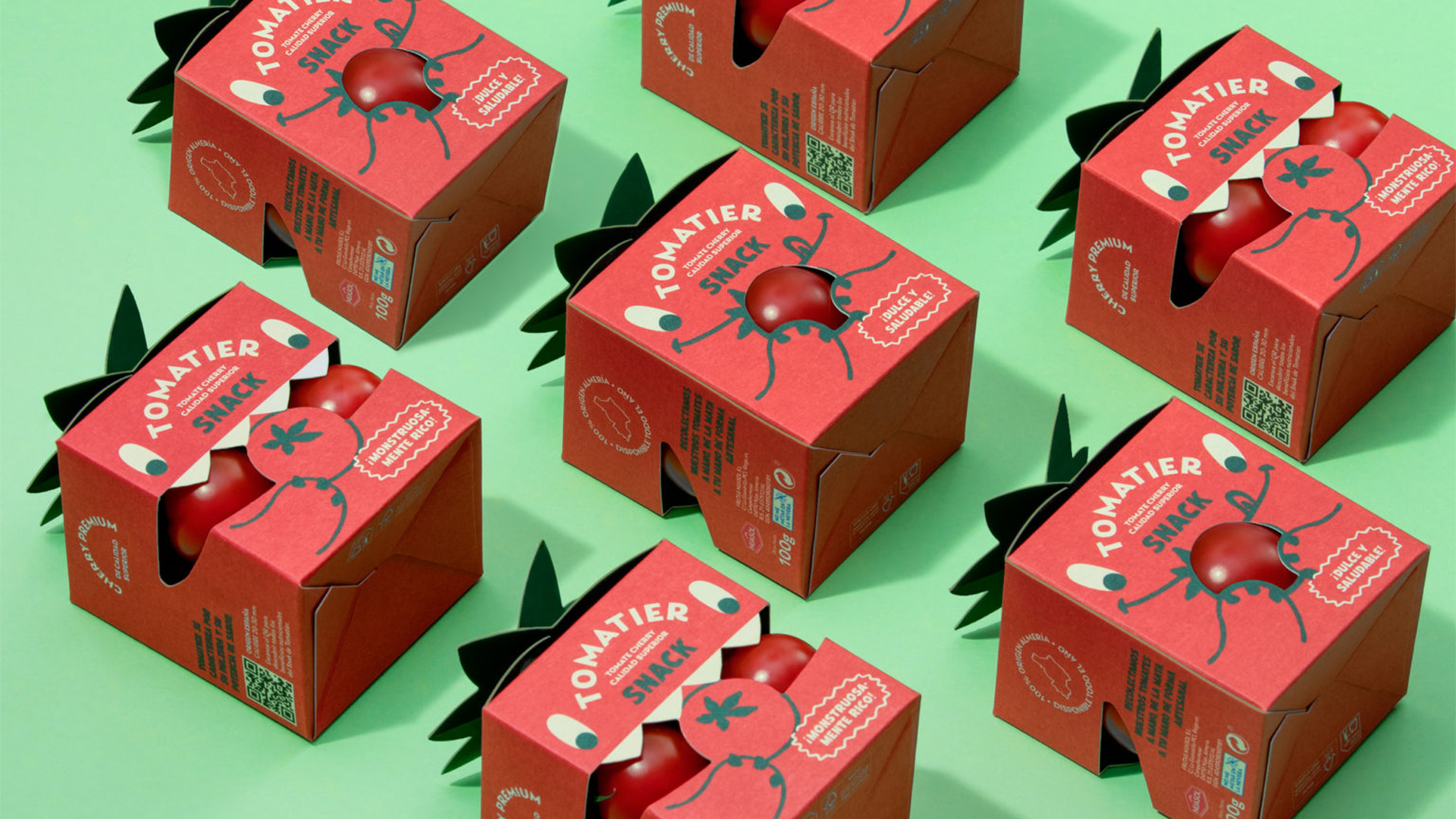
In today’s competitive marketplace, packaging is far more than a protective container for a product. It serves as a powerful marketing tool, a communication channel, and often the first point of contact between a brand and its customers. While packaging design involves many elements—including structure, materials, colors, typography, and branding—printing remains one of the most critical components in bringing a packaging concept to life.
Printing transforms packaging from a simple box, label, pouch, or container into a visually engaging brand experience. Through various printing techniques, businesses can communicate product information, establish brand identity, attract consumer attention, and create memorable customer experiences. From food and beverage products to cosmetics, electronics, pharmaceuticals, and luxury goods, printing plays an essential role in packaging design across virtually every industry.
The Role of Printing in Packaging Design
At its core, printing enables brands to communicate with consumers. Every package contains visual and textual elements that help shoppers understand what a product is, what benefits it offers, and why it should be chosen over competing products.
Printed packaging typically includes:
- Brand logos and visual identity elements
- Product names and descriptions
- Ingredients and nutritional information
- Instructions for use
- Barcodes and QR codes
- Regulatory and legal information
- Marketing messages and promotional content
- Graphics, illustrations, and photography
Without printing, packaging would be unable to convey much of the information consumers rely on when making purchasing decisions.
Creating Strong Brand Recognition
One of the most important functions of printing in packaging design is building brand recognition. Consumers often make purchasing decisions within seconds, and printed packaging helps brands stand out on crowded retail shelves.
Consistent use of colors, typography, imagery, and logos across printed packaging creates familiarity. Over time, customers begin to associate specific visual elements with a particular brand.
Consider some of the world’s most recognizable brands. Many consumers can identify products simply by their packaging colors or design elements without even reading the product name. This level of recognition is achieved through carefully planned packaging design and high-quality printing.
Printing ensures that brand standards are accurately reproduced across different product lines, helping maintain consistency and trust.
Enhancing Visual Appeal
Packaging often serves as a silent salesperson. Attractive printed designs can capture attention, evoke emotions, and influence buying behavior.
Modern printing technologies allow designers to incorporate:
- High-resolution images
- Vibrant colors
- Detailed illustrations
- Metallic effects
- Specialty finishes
- Complex graphic patterns
These elements help products stand out and communicate quality, luxury, sustainability, innovation, or other brand values.
For example, a premium chocolate brand may use rich colors, embossed textures, and metallic foil printing to create an upscale appearance. In contrast, an organic food company may rely on earthy tones and natural-looking printed textures to communicate sustainability and authenticity.
The printing process is what transforms these creative concepts into tangible packaging that consumers can see and touch.
Communicating Product Information
Beyond aesthetics, packaging printing fulfills a practical purpose by delivering essential information.
Consumers expect packaging to provide clear and accurate details about products. Depending on the industry, printed information may include:
Food and Beverage Products
- Ingredients
- Nutritional facts
- Expiration dates
- Allergen warnings
- Storage instructions
Cosmetics and Personal Care Products
- Usage instructions
- Ingredients
- Safety warnings
- Manufacturing details
Pharmaceutical Packaging
- Dosage information
- Patient instructions
- Regulatory compliance information
- Batch numbers
Consumer Goods
- Product specifications
- Assembly instructions
- Warranty information
Printing ensures that all required information is presented clearly, legibly, and in compliance with industry regulations.
Supporting Consumer Decision-Making
Research consistently shows that packaging influences purchasing behavior. In many cases, consumers make decisions directly in front of store shelves, where packaging becomes a crucial marketing tool.
Printed packaging helps consumers:
- Identify product categories
- Compare competing products
- Understand product benefits
- Recognize trusted brands
- Evaluate quality and value
Effective printing can highlight key selling points such as:
- Organic certification
- Eco-friendly materials
- Limited editions
- Awards and recognitions
- Special promotions
These visual cues can significantly impact purchasing decisions and improve sales performance.
Different Printing Techniques Used in Packaging
Packaging design relies on a variety of printing methods, each suited to specific materials, production volumes, and design requirements.
Offset Printing
Offset printing is one of the most commonly used methods for packaging production.
Advantages include:
- Excellent image quality
- Precise color reproduction
- Cost efficiency for large runs
- High consistency
Offset printing is widely used for cartons, boxes, labels, and retail packaging.
Flexographic Printing
Flexographic printing is particularly popular for flexible packaging materials such as:
- Plastic films
- Pouches
- Corrugated boxes
- Labels
This method is valued for its speed and ability to print on various surfaces.
Digital Printing
Digital printing has transformed packaging by enabling:
- Short production runs
- Personalized packaging
- Rapid prototyping
- Faster turnaround times
Brands increasingly use digital printing for seasonal campaigns, limited editions, and customized packaging experiences.
Gravure Printing
Gravure printing is known for producing exceptionally high-quality images and is often used for:
- Luxury packaging
- Flexible packaging
- Large-volume production
Although setup costs can be high, gravure offers excellent consistency and detail.
Screen Printing
Screen printing is frequently used for specialty packaging applications that require:
- Thick ink layers
- Unique textures
- Specialty effects
This method is often employed for premium products and decorative packaging elements.
Specialty Printing Effects in Packaging
Today’s consumers expect packaging to provide not only visual appeal but also tactile and interactive experiences. Specialty printing techniques help brands create memorable packaging that engages multiple senses.
Embossing and Debossing
Embossing raises selected design elements above the surface, while debossing creates recessed impressions.
These techniques add sophistication and tactile appeal, making packaging feel more premium.
Foil Stamping
Foil stamping applies metallic or colored foil to packaging surfaces.
Common applications include:
- Luxury cosmetics
- Premium beverages
- High-end confectionery
- Gift packaging
Foil effects can create a sense of exclusivity and quality.
Spot UV Coating
Spot UV coating applies a glossy finish to selected areas of printed packaging.
This technique creates contrast between matte and glossy surfaces, helping highlight logos, product names, or key graphics.
Soft-Touch Finishes
Soft-touch coatings create a velvety texture that enhances perceived quality and customer experience.
These finishes are particularly popular in luxury and premium product categories.
Sustainability and Printing
As sustainability becomes increasingly important, printing technologies are evolving to support environmentally responsible packaging solutions.
Modern sustainable printing practices include:
- Water-based inks
- Soy-based inks
- Reduced chemical usage
- Energy-efficient printing equipment
- Recyclable packaging materials
Brands are also using printed packaging to communicate sustainability initiatives, recycling instructions, and environmental certifications.
The challenge for designers is balancing visual impact with environmental responsibility. Advances in sustainable printing technologies make it increasingly possible to achieve both objectives.
Personalization and Variable Data Printing
One of the most exciting developments in packaging design is the rise of personalized packaging.
Variable data printing allows brands to produce unique packaging variations within the same production run. This capability enables:
- Personalized names
- Individual serial numbers
- Unique graphics
- Regional variations
- Promotional campaigns
Personalized packaging helps brands create stronger emotional connections with consumers while increasing engagement and social sharing.
Many successful marketing campaigns have demonstrated how customized packaging can transform ordinary products into memorable experiences.
The Future of Printing in Packaging Design
Packaging printing continues to evolve alongside technological innovation. Emerging trends include:
Smart Packaging
Printed QR codes, NFC tags, and augmented reality features allow consumers to access digital content directly from packaging.
Interactive Experiences
Packaging increasingly serves as a bridge between physical products and digital experiences through printed technologies.
Enhanced Sustainability
New printing solutions are being developed to reduce waste, improve recyclability, and lower environmental impact.
Advanced Customization
As digital printing technologies improve, brands will gain greater flexibility in creating personalized and localized packaging.
Improved Production Efficiency
Automation and advanced printing systems are helping manufacturers achieve faster production times while maintaining exceptional quality.
Conclusion
Printing is one of the most important elements in packaging design, influencing everything from brand recognition and consumer engagement to product information and purchasing decisions. It transforms packaging into a powerful communication tool that connects brands with customers in meaningful ways.
Whether through vibrant graphics, premium finishes, personalized designs, or sustainable printing methods, printing enables packaging to fulfill both functional and marketing objectives. As technologies continue to evolve, printing will remain at the heart of innovative packaging design, helping brands create memorable experiences that stand out in increasingly competitive markets.
For businesses seeking to strengthen their market presence, investing in high-quality packaging printing is not simply a production decision—it is a strategic investment in branding, customer experience, and long-term success.