


In an increasingly digital world, it is easy to assume that print has become less important in event planning and management. Emails replace mailed invitations, mobile apps provide schedules, and digital advertising dominates event promotion. Yet despite the rise of digital communication, print remains one of the most powerful and effective tools in the event industry. From the moment guests receive an invitation to the time they leave with a catalogue or commemorative booklet, printed materials continue to shape the event experience in meaningful ways.
Print serves as a bridge between information and experience. It creates tangible connections, reinforces branding, enhances professionalism, and leaves lasting impressions that digital materials often cannot replicate. Whether the event is a corporate conference, trade show, exhibition, wedding, festival, product launch, or cultural gathering, print plays a crucial role at every stage.
First Impressions Begin with Printed Invitations
Every successful event starts with anticipation, and invitations are often the first point of contact between organizers and attendees. While digital invitations offer convenience and speed, printed invitations provide something unique: a physical experience.
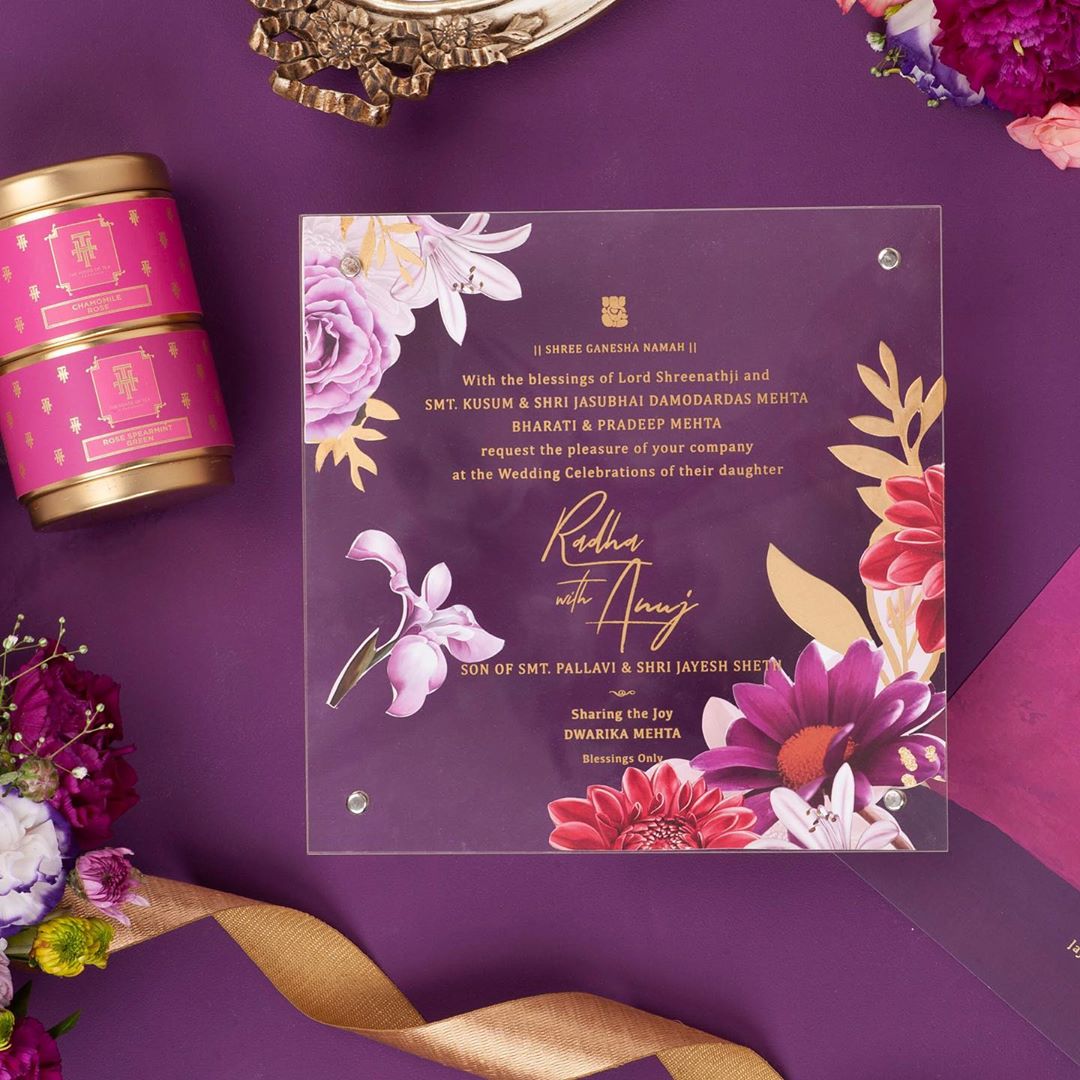
A well-designed printed invitation immediately communicates the tone, quality, and importance of an event. The choice of paper stock, printing techniques, typography, colors, and finishes can all contribute to a memorable first impression. A luxury gala may feature embossed lettering and metallic foil, while a creative arts festival might use vibrant colors and unconventional materials.
Printed invitations often have a higher perceived value than digital alternatives. Recipients are more likely to keep them, display them, or revisit them before the event. This physical presence helps maintain awareness and excitement, ensuring the event remains top of mind.
For weddings, award ceremonies, fundraising events, and exclusive corporate gatherings, printed invitations continue to symbolize prestige and personal attention.
Event Branding Through Print
Consistency is one of the most important aspects of event branding. Printed materials help establish a unified visual identity that attendees encounter throughout their journey.
From invitations and banners to programs and catalogues, every printed element contributes to a cohesive brand experience. Consistent use of logos, colors, fonts, imagery, and messaging strengthens brand recognition and professionalism.
Print allows event organizers to create a physical environment that reflects their identity and values. Visitors can immediately recognize the event’s visual language as they move through the venue. This consistency builds trust and enhances the overall attendee experience.
For businesses, conferences, and exhibitions, strong branding through print also supports marketing objectives by increasing visibility and reinforcing key messages.
Wayfinding and Navigation
Large events often involve multiple rooms, stages, exhibitors, or activity areas. Without clear navigation, attendees can become confused or frustrated.
Printed signage remains one of the most effective solutions for guiding visitors through an event space. Directional signs, floor graphics, banners, maps, and information boards provide immediate assistance without requiring internet access, mobile devices, or app downloads.
Effective wayfinding improves attendee satisfaction by helping people move efficiently between sessions, exhibits, and attractions. It also reduces pressure on event staff who might otherwise spend considerable time answering location-related questions.
Printed navigation materials can be strategically placed throughout the venue, ensuring guests have access to information exactly when and where they need it.
Programs and Event Guides
One of the most common printed materials at events is the event program or guidebook. Despite the availability of mobile apps, many attendees still appreciate having a physical reference they can quickly consult.
Printed programs provide schedules, speaker information, session descriptions, venue maps, sponsor acknowledgments, and other essential details. Unlike digital alternatives, they do not depend on battery life, internet connectivity, or technical familiarity.
A well-designed program enhances convenience and accessibility while contributing to the event’s professional image. Many attendees also use printed guides to make notes, highlight sessions, or bookmark important pages throughout the event.
For conferences and cultural festivals, event guides often become valuable keepsakes that attendees retain long after the event concludes.
Catalogues as Powerful Communication Tools
Catalogues play a particularly important role at trade shows, exhibitions, product launches, art fairs, and industry events.
Unlike promotional flyers that provide limited information, catalogues offer detailed content that visitors can review at their own pace. They often include product specifications, company profiles, artist biographies, service descriptions, case studies, and contact information.
A professionally produced catalogue serves several important purposes:
- Educates attendees about products or services.
- Reinforces brand credibility.
- Supports sales conversations.
- Extends engagement beyond the event itself.
- Provides a reference tool for future decision-making.
Many purchasing decisions are not made during an event but afterward. A catalogue ensures that attendees have access to detailed information when they are ready to evaluate options and take action.
For exhibitors, catalogues often become long-term marketing assets that continue generating value weeks or even months after the event has ended.
Supporting Networking Opportunities
Networking is one of the primary reasons people attend professional events. Print materials can facilitate meaningful connections and interactions among participants.
Printed name badges remain a standard feature at conferences, conventions, and business gatherings. They allow attendees to quickly identify one another and initiate conversations.
Beyond badges, printed attendee directories, exhibitor lists, networking guides, and business cards continue to play an important role in relationship building.
While digital networking platforms offer additional capabilities, printed materials provide immediate accessibility and convenience. They allow attendees to exchange information quickly without relying on apps, devices, or connectivity.
The tactile nature of printed materials also contributes to more personal interactions, helping establish stronger professional relationships.
Enhancing Sponsor Visibility
Sponsors often provide essential financial support for events, making visibility and recognition important considerations.
Print offers numerous opportunities for sponsor exposure throughout the attendee experience. Logos and advertisements can appear on:
- Invitations
- Event programs
- Catalogues
- Signage
- Banners
- Backdrops
- Tickets
- Maps
- Name badges
- Promotional materials
Unlike digital advertisements that can be skipped or ignored, printed sponsor placements remain visible throughout the event environment.
This continuous exposure increases brand awareness and helps sponsors maximize the return on their investment. Well-integrated sponsor recognition also contributes to the overall professionalism and financial sustainability of events.
Creating Memorable Experiences
One of print’s greatest strengths is its ability to create lasting memories. Physical materials engage multiple senses through texture, weight, finish, and design.
Special printing techniques such as embossing, debossing, foil stamping, spot UV coating, die-cutting, and specialty papers can transform ordinary materials into memorable experiences.
For attendees, these tangible elements often become cherished souvenirs. Event booklets, commemorative programs, exhibition catalogues, and printed photo collections frequently remain on bookshelves and desks long after digital files have been forgotten.
This longevity gives print a unique advantage in preserving emotional connections to an event.
Print and Sustainability
As sustainability becomes increasingly important, some organizations question whether printed materials remain environmentally responsible.
Modern printing practices have evolved significantly to address these concerns. Many printers now offer environmentally friendly options such as:
- Recycled paper stocks
- FSC-certified materials
- Vegetable-based inks
- Waterless printing technologies
- Sustainable production processes
In many cases, carefully planned print runs can minimize waste while maximizing effectiveness. Rather than eliminating print entirely, event organizers can adopt responsible printing strategies that balance environmental considerations with communication needs.
Sustainable print solutions demonstrate that physical materials and environmental responsibility can coexist.
Integrating Print with Digital Technologies
The future of event communication is not a competition between print and digital media but a combination of both.
Modern printed materials increasingly incorporate digital enhancements such as QR codes, augmented reality experiences, personalized URLs, and interactive elements. These features allow attendees to move seamlessly between physical and digital environments.
For example, a printed catalogue may include QR codes linking to product videos, registration pages, speaker presentations, or online resources. Event programs can connect attendees to live updates and digital schedules.
This hybrid approach combines the permanence and impact of print with the flexibility and convenience of digital technology.
Conclusion
Despite rapid technological advancements, print continues to play an essential role in the success of events. From invitations that build anticipation to catalogues that extend engagement long after an event ends, printed materials remain powerful tools for communication, branding, navigation, networking, and memory creation.
Print offers qualities that digital media cannot fully replicate: tangibility, permanence, sensory engagement, and physical presence. These characteristics help create meaningful experiences that resonate with attendees before, during, and after an event.
As the event industry continues to evolve, the most effective strategies will combine the strengths of both print and digital communication. By integrating traditional printed materials with modern technologies, event organizers can create richer, more engaging, and more memorable experiences for every participant.
Far from becoming obsolete, print remains an indispensable component of successful event planning—proving that sometimes the most powerful connections are still made through something people can hold in their hands.