


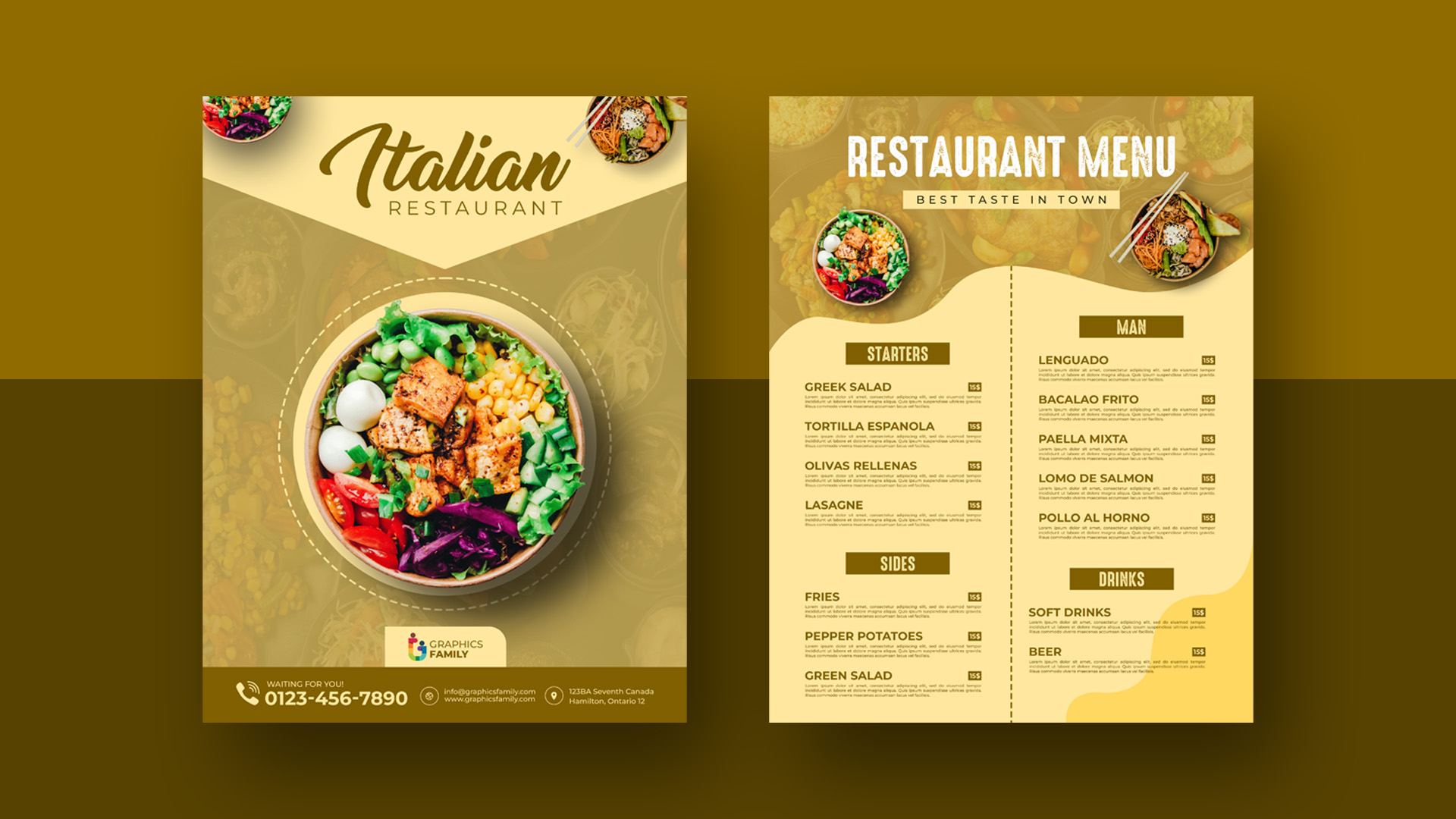
In an era where nearly every aspect of dining can be accessed through a smartphone, many restaurant owners find themselves asking an important question: Do printed menus still matter? With QR codes, digital ordering systems, and tablet-based menus becoming increasingly common, some believe that traditional printed menus are becoming obsolete.
However, the reality is quite different.
Despite the rapid growth of digital technology in hospitality, printed menus continue to play a vital role in shaping the dining experience. They are more than simple lists of food and beverages—they are powerful marketing tools, brand ambassadors, and customer engagement instruments that influence purchasing decisions and enhance guest satisfaction.
For restaurants of all sizes, from cozy cafés to fine dining establishments, printed menus remain one of the most effective and valuable investments.
The Menu Is Part of the Dining Experience
When guests enter a restaurant, one of the first tangible interactions they have with the brand is the menu. Before the food arrives, before the service is evaluated, and often before any conversation begins, customers engage with the menu.
A beautifully designed printed menu creates an immediate impression of professionalism, quality, and attention to detail. The texture of the paper, the quality of the print, the typography, and the layout all contribute to how customers perceive the establishment.
In fine dining restaurants, premium materials and elegant printing techniques help communicate sophistication and exclusivity. In family-friendly venues, colorful and easy-to-read menus create a welcoming atmosphere. In cafés and bakeries, thoughtfully designed printed menus reinforce the establishment’s unique personality.
Unlike digital screens, printed menus offer a tactile experience that engages multiple senses, making the interaction more memorable and enjoyable.
Printed Menus Encourage Better Customer Engagement
Studies in consumer behavior consistently show that people interact differently with printed materials than they do with digital content.
When customers hold a physical menu, they tend to spend more time browsing, exploring options, and considering their choices. Printed menus allow diners to easily compare dishes, scan categories, and discover items they may not have initially considered.
Digital menus, on the other hand, often encourage quicker decisions. Customers may scroll rapidly through options or focus only on specific sections. The experience can feel transactional rather than exploratory.
A printed menu invites guests to slow down and engage with the restaurant’s offerings. This increased engagement often leads to larger orders and a more satisfying dining experience.
Menu Design Directly Influences Sales
Restaurant operators have long understood that menu design is a powerful sales tool. Strategic placement of menu items, visual hierarchy, typography, and imagery can significantly impact purchasing decisions.
Printed menus provide complete control over how dishes are presented and highlighted.
Restaurants can:
- Feature signature dishes prominently.
- Highlight high-margin items.
- Use visual cues to guide attention.
- Create sections that encourage add-on purchases.
- Showcase seasonal specials.
- Promote desserts, beverages, and premium offerings.
Unlike digital platforms, where customers may quickly filter or search for specific items, printed menus naturally guide the reader’s journey through the available choices.
This process, often referred to as menu engineering, can increase average spending per guest and improve overall profitability.
Printed Menus Strengthen Brand Identity
Every restaurant has a story to tell.
Whether it is a heritage restaurant with decades of history, a modern fusion concept, or a neighborhood café, branding plays a critical role in attracting and retaining customers.
A printed menu serves as an extension of that brand.
Colors, imagery, fonts, paper selection, and print finishes all communicate something about the restaurant’s identity. A rustic farm-to-table restaurant might use recycled paper and earthy tones. A luxury steakhouse may choose thick laminated pages with metallic accents. A trendy cocktail bar could incorporate bold graphics and creative layouts.
These design choices help create consistency across the customer experience and reinforce the restaurant’s unique positioning in a competitive market.
Customers often remember how a restaurant made them feel. A well-designed menu contributes significantly to that emotional connection.
Reliability Matters
Technology can be incredibly useful, but it is not always reliable.
QR code menus depend on several factors:
- A customer having a smartphone.
- A functioning internet connection.
- Sufficient battery life.
- Familiarity with QR scanning technology.
Any disruption can create frustration.
Printed menus eliminate these barriers entirely. They are immediately accessible to every guest regardless of age, technical ability, or device ownership.
This is particularly important for:
- Elderly customers.
- International visitors.
- Families with children.
- Business diners.
- Customers who prefer screen-free experiences.
By providing printed menus, restaurants ensure that every guest can comfortably access information about food, beverages, allergens, and pricing.
Printed Menus Support Upselling Opportunities
One of the most overlooked advantages of printed menus is their ability to encourage additional purchases.
Restaurant owners can strategically highlight:
- Chef recommendations.
- Pairing suggestions.
- Premium beverages.
- Seasonal dishes.
- Limited-time offers.
- Signature desserts.
Visual elements such as borders, icons, photographs, and special typography naturally draw attention to selected items.
For example, a guest who initially planned to order only a main course may be tempted by a highlighted wine pairing or a featured dessert.
These subtle marketing techniques can have a meaningful impact on overall revenue without requiring additional effort from service staff.
A Better Experience for Groups
Group dining presents unique challenges when menus are entirely digital.
Imagine a table of six people all attempting to access a QR menu simultaneously. Some guests may struggle with connectivity, others may have difficulty reading from a small screen, and conversations can become interrupted as everyone focuses on their phones.
Printed menus encourage a more social dining environment.
Guests can easily discuss options, point to dishes, share recommendations, and engage with one another without technological distractions.
For restaurants that prioritize hospitality and customer experience, maintaining this sense of human connection remains invaluable.
Printed Menus Can Be Highly Cost-Effective
One common misconception is that printed menus are expensive.
In reality, modern printing solutions make menu production remarkably affordable, especially when compared to the broader operational costs of running a restaurant.
Restaurants can choose from a wide range of formats:
- Laminated menus.
- Waterproof menus.
- Folded menus.
- Booklet-style menus.
- Single-page inserts.
- Seasonal menu cards.
- Table tents.
- Drink menus.
Digital printing technology allows for short print runs, making it easy to update menus regularly without significant expense.
Many restaurants also combine permanent menu sections with interchangeable inserts, allowing them to showcase seasonal specials without reprinting the entire menu.
This flexibility ensures that printed materials remain practical and economical.
Printed Menus Enhance Perceived Value
Perception influences customer behavior.
Research has shown that physical materials often create a stronger sense of quality and value than digital alternatives. When customers interact with a premium printed menu, they subconsciously associate that quality with the food and service being offered.
Luxury restaurants understand this principle well. Many invest heavily in menu design because they recognize its influence on customer expectations.
A carefully crafted printed menu can make dishes feel more special, ingredients appear more premium, and the overall dining experience seem more refined.
In many cases, the menu becomes part of the storytelling process that justifies premium pricing.
Digital and Print Can Work Together
The discussion should not be framed as printed menus versus digital menus.
The most successful restaurants often use both.
QR codes can provide:
- Nutritional information.
- Allergy details.
- Multiple language options.
- Online ordering capabilities.
- Interactive features.
Printed menus can provide:
- Brand presentation.
- Enhanced customer engagement.
- Better readability.
- Stronger emotional connection.
- More effective upselling opportunities.
Rather than replacing printed menus, digital technology can complement them.
A hybrid approach allows restaurants to enjoy the benefits of both formats while serving the diverse preferences of modern customers.
The Future of Restaurant Menus
As hospitality continues to evolve, customer expectations will also change. Technology will undoubtedly remain an important part of restaurant operations. However, the fundamental principles of hospitality—comfort, connection, and memorable experiences—remain unchanged.
Printed menus continue to support these principles in ways that digital alternatives often cannot fully replicate.
They create first impressions, reinforce brand identity, influence purchasing decisions, encourage social interaction, and contribute to a more engaging dining experience.
For restaurants seeking to differentiate themselves in an increasingly digital world, printed menus are not a relic of the past. They are a valuable asset that continues to deliver measurable business benefits.
The restaurants that understand this are not choosing between print and technology. They are using both strategically to create richer, more memorable experiences for every guest who walks through their doors.