


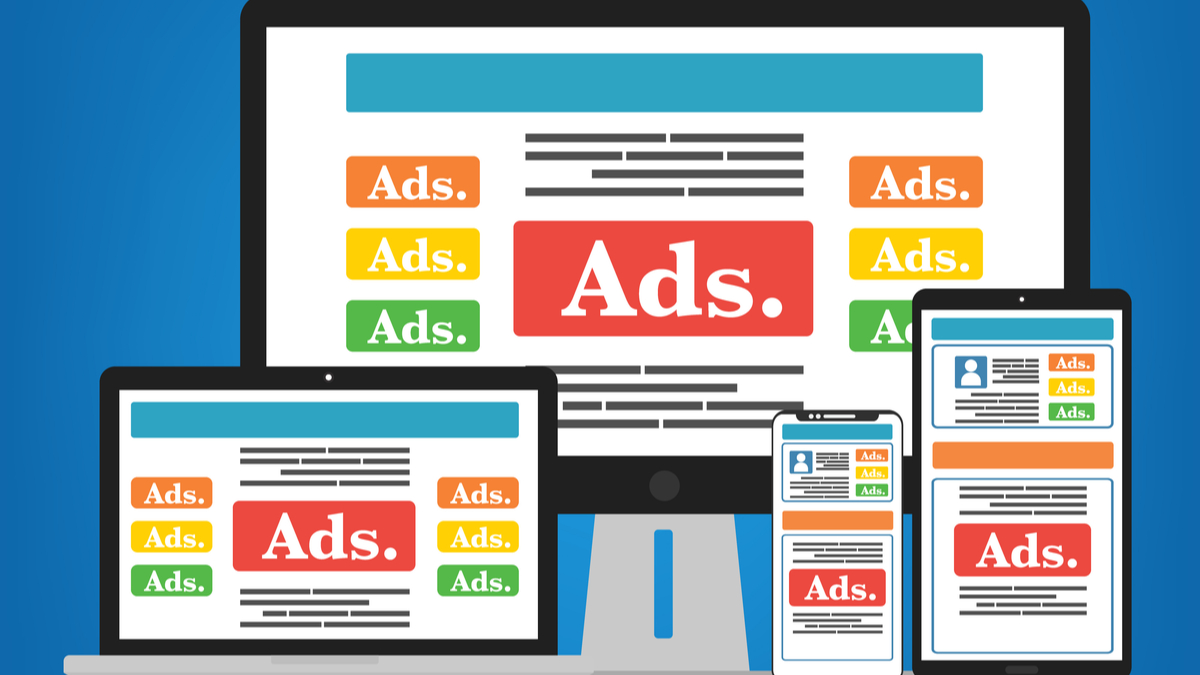
In an age dominated by smartphones, social media feeds, and digital advertising, it would be easy to assume that printed materials have lost their relevance. Every day, consumers are exposed to thousands of online advertisements across websites, search engines, apps, and social platforms. Yet despite the growth of digital marketing, print continues to hold a unique and powerful position in the minds of consumers.
Research consistently shows that people tend to trust printed materials more than online advertisements. Whether it is a brochure, magazine, catalog, direct mail piece, annual report, newspaper advertisement, or printed book, physical media often enjoys a level of credibility that digital ads struggle to achieve.
Why does this happen? What makes a printed piece of communication feel more trustworthy than an ad that appears on a screen? The answer lies in a combination of psychology, perception, experience, and human behavior.
The Problem of Digital Advertising Fatigue
One of the biggest challenges facing online advertising is simple: there is too much of it.
The average internet user encounters countless advertisements every day. Banner ads follow users from website to website. Social media platforms are filled with sponsored content. Video advertisements interrupt entertainment. Pop-ups compete for attention. Email inboxes are crowded with promotional messages.
As a result, consumers have become increasingly skeptical of digital advertising. Many people automatically ignore online ads, a phenomenon known as “banner blindness.” Others use ad blockers to remove advertisements altogether.
Years of exposure to misleading headlines, fake reviews, clickbait content, and online scams have also contributed to a growing lack of trust in digital communications. Consumers have learned to question what they see online.
Printed materials operate in a very different environment. They are not competing with dozens of flashing notifications, videos, and advertisements at the same moment. Instead, they often receive focused attention, allowing the message to be considered more carefully.
Physical Presence Creates Credibility
One of the strongest reasons people trust printed materials is their physical nature.
A printed brochure, magazine, or catalog exists in the real world. It can be held, examined, and revisited. This physical presence creates a sense of permanence that digital advertisements often lack.
When a company invests in professionally designed and printed materials, it sends a signal that the organization is serious, established, and committed to its message. High-quality paper, professional printing, and thoughtful design communicate effort and investment.
Consumers often subconsciously think:
“If a company is willing to spend money producing this material, they are probably confident in what they are saying.”
In contrast, creating an online advertisement can be relatively inexpensive and instantaneous. While digital marketing is highly effective, consumers know that almost anyone can launch an online ad campaign within minutes, regardless of credibility.
Print Feels More Permanent
Digital content is temporary by nature.
An online advertisement appears and disappears within seconds. Social media posts are quickly buried under newer content. Website banners change constantly. Pop-ups are closed immediately.
Printed materials, however, remain accessible long after they are received. A brochure can sit on a desk for weeks. A catalog may stay in a household for months. A magazine can be shared among multiple readers.
This permanence contributes to trust.
People often associate lasting objects with lasting value. Because printed materials remain physically present, they are perceived as more reliable and substantial than fleeting digital messages.
Reading Print Encourages Deeper Processing
Studies in cognitive psychology have found that people often process information differently when reading printed materials compared to digital content.
Screens encourage scanning and rapid consumption. Users jump between tabs, scroll quickly, and divide attention among multiple tasks. Online environments are designed for speed.
Print encourages a slower and more focused reading experience.
When people read a printed document, they are more likely to engage deeply with the content. They can easily navigate pages, highlight important sections, and absorb information without digital distractions.
This deeper engagement leads to better understanding and stronger memory retention.
When consumers better understand a message, they are also more likely to trust it.
Print Is Less Associated With Fraud
Unfortunately, the internet has become a common platform for misinformation, scams, fake news, phishing attempts, and deceptive advertising.
Most consumers have encountered suspicious emails, fraudulent websites, misleading online reviews, or advertisements that make unrealistic promises.
Because of these experiences, people naturally approach online content with caution.
Printed materials benefit from a different perception.
While print is certainly not immune to misinformation, consumers generally associate printed publications with editorial oversight, professional standards, and accountability.
A printed magazine article, company report, or direct mail piece often feels more vetted and trustworthy than an anonymous online advertisement.
The medium itself influences credibility.
Tangibility Creates Emotional Connection
Humans are naturally drawn to physical objects.
Touch plays an important role in how people perceive value and trustworthiness. Psychologists have long recognized that tactile experiences influence decision-making and emotional responses.
Holding a beautifully printed catalog, premium business brochure, or high-quality publication creates a sensory experience that digital media cannot replicate.
The texture of the paper, the weight of the document, the quality of the printing, and the visual presentation all contribute to the overall perception of the brand.
This emotional connection often translates into greater trust.
Consumers feel more connected to brands that provide tangible experiences rather than purely digital interactions.
Printed Materials Feel Less Intrusive
One reason people dislike online advertising is that it often interrupts what they are trying to do.
Video ads interrupt videos.
Pop-ups interrupt browsing.
Sponsored posts interrupt social media conversations.
Retargeting ads follow users across the internet.
These interruptions can create frustration and negative feelings toward both the advertisement and the advertiser.
Printed materials generally create a different experience.
A brochure received at an event, a catalog delivered by mail, or a magazine advertisement encountered while reading does not force itself into someone’s activity in the same way.
The interaction feels voluntary rather than intrusive.
As a result, consumers are often more receptive to the message and more likely to view it positively.
Trust Through Professional Presentation
Print demands a certain level of quality control.
Errors in printed materials are expensive to correct. Because of this, organizations typically spend more time reviewing, editing, proofreading, and refining printed content before publication.
Consumers often recognize this effort.
A professionally designed annual report, corporate brochure, product catalog, or printed magazine communicates competence and attention to detail.
These qualities build trust.
In contrast, online advertisements can be changed instantly. While this flexibility is one of digital marketing’s greatest advantages, it can sometimes create the perception that online content is less carefully prepared.
Print Enhances Brand Authority
Many of the world’s most respected organizations continue to invest heavily in print communications.
Universities publish printed prospectuses.
Luxury brands produce premium catalogs.
Financial institutions distribute annual reports.
Government agencies issue printed informational materials.
Leading publishers continue producing books, magazines, and journals.
These organizations understand that print reinforces authority.
A well-produced printed piece often elevates the perceived status of a brand. It communicates stability, professionalism, and confidence.
For businesses seeking to build long-term credibility, print remains one of the most effective tools available.
Print and Digital Work Best Together
Recognizing the trust advantage of print does not mean abandoning digital marketing.
Online advertising remains essential for modern businesses. It offers unparalleled targeting capabilities, real-time analytics, scalability, and cost efficiency.
The most successful marketing strategies combine the strengths of both channels.
Digital advertising excels at reaching large audiences quickly and generating immediate engagement. Print excels at building credibility, trust, and lasting brand impressions.
For example, a company might use online advertising to attract prospects and then reinforce its message through high-quality printed brochures, direct mail campaigns, or branded publications.
This integrated approach allows businesses to benefit from both reach and trust.
The Future of Trust in Marketing
As artificial intelligence, automated advertising, and digital content generation become increasingly common, trust will become even more valuable.
Consumers are already learning to question whether online content is authentic, accurate, or human-created. In such an environment, physical communication may become even more important as a symbol of legitimacy and commitment.
Printed materials offer something increasingly rare in today’s digital world: a tangible, deliberate, and credible communication experience.
They demonstrate investment. They encourage focused attention. They create emotional connections. They feel permanent. And most importantly, they help establish trust.
Conclusion
Despite the rapid growth of digital marketing, printed materials continue to enjoy a significant credibility advantage. Their physical presence, permanence, professional presentation, and ability to foster deeper engagement make them inherently trustworthy in the eyes of many consumers.
While online advertising remains a powerful marketing tool, print occupies a unique position that digital channels cannot fully replicate. Businesses that understand and leverage this trust advantage can build stronger relationships with customers, enhance brand reputation, and create communications that leave a lasting impression.
In a world overflowing with digital noise, print remains a medium that people not only notice—but often believe.