


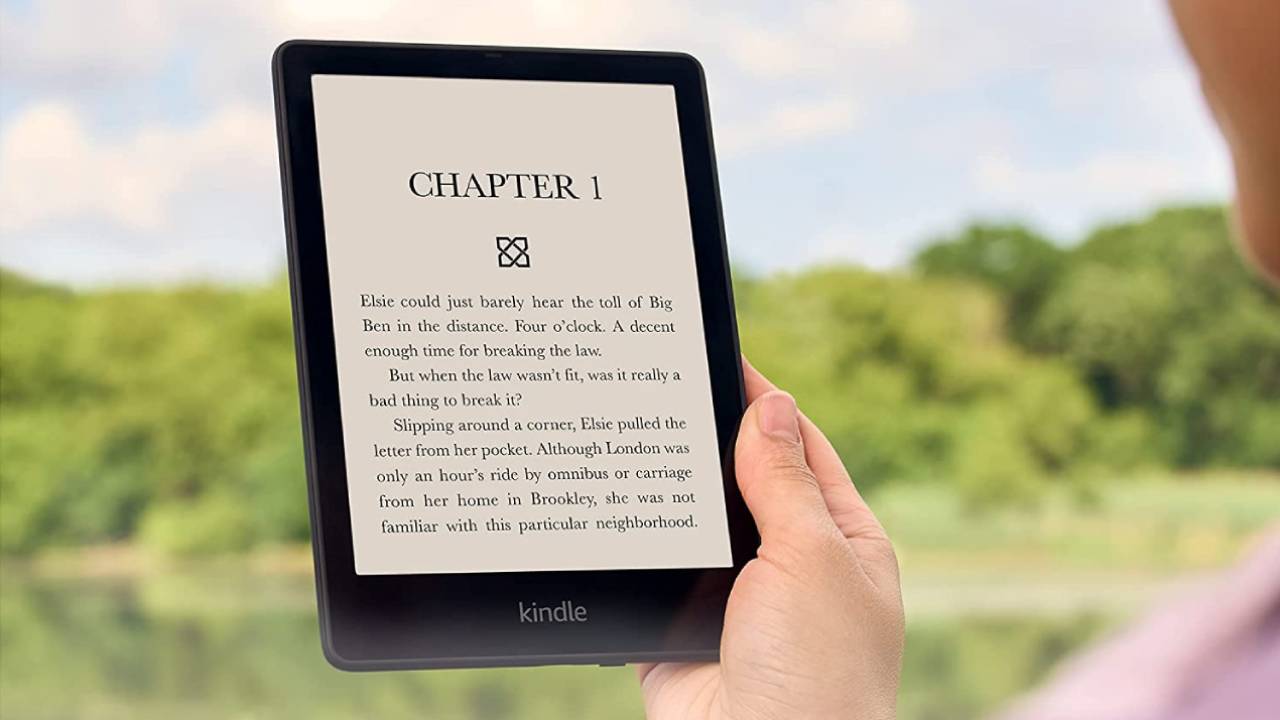
For centuries, the art of narrative pacing was governed purely by instinct, trial, and editorial intuition. Authors labored over chapter lengths, cliffhangers, and plot twists, gauging their success through the delayed, imprecise feedback of book reviews and sales figures.
Today, the digital age has introduced a silent, invisible co-editor to the writing desk: anonymized reading telemetry.
Every time a reader opens an eBook, highlights a resonant sentence, turns a page, or closes the app for the night, aggregate data is quietly captured. When aggregated across millions of readers, this telemetry produces what industry insiders call Kindle Heatmaps—visual overlays that reveal precisely where human attention sharpens, where it wanders, and where it vanishes entirely.
By analyzing where readers highlight most, read fastest, or abandon a book altogether, we gain unprecedented insights into the hidden mechanics of reader psychology. Here is what telemetry teaches us about plotting for the modern human mind.
1. The “Cliff” Phenomenon: Telemetry of the Unfinished Book
Every author fears the dreaded “Drop-off Point”—the exact page where a reader sets a book down and never picks it up again. Before telemetry, publishers only knew if a book sold, not how much of it was actually read. Data reveals that reader abandonment is rarely random; it clusters around very specific structural flaws.
READER RETENTION RATE ACROSS NOVEL ARC
100% ────┐
         │ (Intro Friction)
 80%     └───────┐
                 │ (The Midpoint Slump)
 60%             └───────────────────────┐
                                         │ (The Climax Rush)
 40%                                     └───────────────
      Ch 1    Ch 3     Ch 10    Ch 18   Ch 25   End
Telemetry shows three primary drop-off zones across fiction genres:
-
The Chapter 3 Friction: Readers give a new book an average of 15 to 20 minutes before deciding whether to commit. Drop-off rates spike dramatically around Chapter 3 if the core conflict hasn’t been clearly established or if the narrative spends too much time on background world-building.
-
The Post-Inciting Incident Lull: Once the initial setup triggers the main story, pacing often slows down as characters transition into the second act. Telemetry maps show a steady trickle of lost readers here if the narrative lacks short-term goals.
-
The Midpoint Fatigue: The single largest drop-off cliff usually occurs between 45% and 55% of the total page count. If the central stakes fail to shift or escalate at the exact middle of the book, cognitive fatigue sets in, and reading velocity plummets.
2. Velocity Metrics: The Psychology of “Fast Reading”
Reading speed isn’t constant. E-reader telemetry proves that a reader’s physical interaction with the device changes depending on the narrative structure.
┌─────────────────────────────────────────────────────────────┐
│                    READING VELOCITY MAP                     │
├─────────────────────────────────────────────────────────────┤
│ Dense World-Building / Heavy Exposition  ► 1.2 min / page   │
│ Standard Dialogue / Scene Work           ► 0.8 min / page   │
│ High-Stakes Climax / Short Paragraphs    ► 0.3 min / page   │
└─────────────────────────────────────────────────────────────┘
When telemetry charts page-turn speed, it reveals that human attention accelerates dramatically under specific conditions:
White Space and Paragraph Length
Pages with shorter paragraphs and higher ratios of dialogue to prose yield significantly faster page-turn rates. This isn’t just about ease of reading; it’s psychological momentum. When readers swipe or turn pages frequently, their brain registers a sense of progress, releasing small hits of dopamine that keep them reading late into the night.
The Cliffhanger Acceleration
In novels with high completion rates, reading velocity increases exponentially during the final 20% of the book. In this zone, readers consume pages nearly twice as fast as they did in Act One. Telemetry proves that once a narrative enters its climax, structural hurdles—like sudden perspective switches or lengthy descriptive passages—actively irritate readers, causing them to skim or abandon the text out of frustration.
3. The Popular Highlights Density: What Resonates Deeply
If page-turn speeds tell us how fast people read, Kindle’s “Popular Highlights” data tells us why they care. By analyzing thousands of user-selected highlights across major bestsellers, data scientists have categorized the exact types of sentences that cause readers to stop, reflect, and mark a passage.
| Highlight Category | Psychological Trigger | Narrative Function |
| Philosophical Epigrams | Articulates an unspoken truth about human nature | Validates the reader’s internal world |
| Micro-Resolution Lines | A character finally voices a deeply hidden truth | Delivers emotional payoff after long tension |
| Poetic Imagery | Unexpected juxtaposition of sensory details | Creates a memorable visual anchor |
| Witty Aphorisms | Sharp, concise observational humor | Relieves narrative tension |
Interestingly, plot twists and major action sequences almost never generate high highlight density. Instead, highlights cluster densely around moments of intimate self-realization. Readers don’t highlight the monster jumping out of the closet; they highlight the character explaining what it feels like to live with fear.
4. Reverse-Engineering Pacing: Lessons for Modern Writers
So, how can storytellers use these data-driven insights without turning creative writing into a cold, clinical formula? The goal is not to write for algorithms, but to understand the natural psychological rhythms of human attention.
           [ INCITING INCIDENT ]          [ MIDPOINT SHIFT ]            [ THE CLIMAX ]
                  (Ch. 2-3)                   (50% Mark)                 (Final 20%)
                     │                            │                          │
                     ▼                            ▼                          ▼
ATTENTION:   [ High Curiosity ]  ──────►  [ Stakes Escalate ]  ──────►  [ Pure Momentum ]
STRATEGY:    Minimize exposition       Introduce new conflict       Shorten paragraphs
Keep Act One Lean
Telemetry proves that reader patience for heavy exposition is at an all-time low. Introduce the main character’s primary desire and the central disruption within the first 10% of the manuscript. World-building should be woven into active scenes, not delivered in massive blocks of background text.
Anchor the Midpoint
To prevent the catastrophic “50% Drop-off,” ensure your story experiences a fundamental shift at the center. The protagonist shouldn’t just continue reacting to events; they must make an active choice that raises the stakes or alters their primary goal.
Earn the Slow-Down
Rapid pacing keeps readers turning pages, but density keeps them emotionally invested. The highest-rated books balance high-velocity action scenes with quiet, high-density emotional beats where readers can pause, highlight, and absorb the story’s deeper themes.
The Synthesis: Data as a Storytelling Partner
Data telemetry doesn’t replace the magic of intuitive storytelling, nor can it generate the spark of a truly original idea. What it offers is a mirror—a clear, objective reflection of how real human minds interact with written words in the modern world.
By understanding where reader attention wavers, accelerates, and locks in, authors can build narratives that respect human psychology while delivering rich, unforgettable emotional journeys. The most successful stories of tomorrow will be written by authors who combine the timeless art of deep human empathy with the modern science of reader attention.