­
18 09, 2026
  • paper

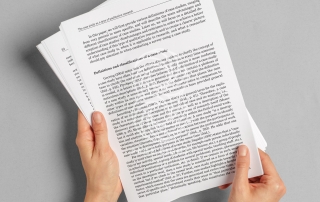
Why We Annotate Paper Differently From Screens

Underlining a sentence. Circling a word. Writing “important” in the margin. Adding an arrow between two paragraphs. Putting a question mark next to an idea we disagree with.

When we read something on paper, these actions often happen almost automatically. Give someone a printed report and a pen, and within a few minutes the page may […]

17 09, 2026
  • wedding-invitation

Why a Printed Invitation Feels More Important Than a WhatsApp Message

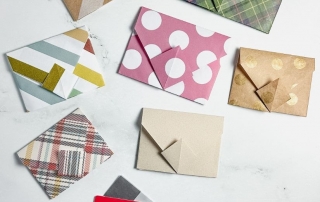
A wedding invitation arrives in the mail. You open the envelope, take out a beautifully printed card, and immediately slow down. You look at the typography, feel the texture of the paper, read the names, and perhaps keep the invitation somewhere safe.

Now imagine receiving the same information through WhatsApp:

“Hi! We’re getting married on September 20. […]

16 09, 2026
  • print

Does Printing Something Make Us More Likely to Remember It?

We live in a world where almost everything can be stored, read, and accessed digitally. We save documents to the cloud, bookmark articles, screenshot important information, and keep entire libraries of books on our phones. Yet, despite all this convenience, there is something different about reading information on paper.

Many people say they remember printed information […]

15 09, 2026
  • FA_DOCUMENT_PRINTING

Why People Treat Printed Documents More Seriously

We live in a world where most information appears on screens. Contracts are signed digitally, reports are shared through cloud platforms, invitations arrive by email, and important announcements can be distributed to thousands of people with a single click. Yet despite the convenience of digital communication, something interesting happens when information is printed on paper: […]

14 09, 2026
  • Block-Printing

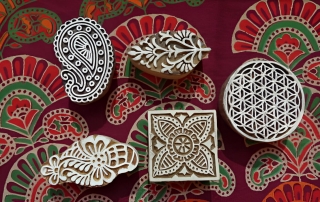
Can Printing Have a Signature Style?

When we think about style in publishing, we usually think about the designer. We notice a distinctive typeface, an unusual composition, a particular color palette, or a recognizable approach to photography and illustration. But what if the printing house itself can have a style?

At first, this may sound strange. After all, a printing house receives […]

11 09, 2026
  • beau

The Most Beautiful Printing Mistakes in History

Misprints, unexpected colors, registration errors and accidental design discoveries

Printing is usually associated with precision. A page passes through presses, plates, rollers, inks and cutting machines, all carefully calibrated to reproduce an image or text as faithfully as possible. The goal seems simple: make every copy look exactly like the original.

But the history of printing tells […]

10 09, 2026
  • Heading

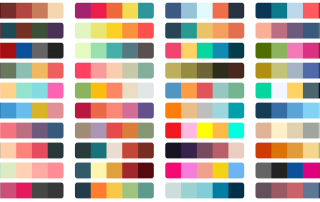
Why Some Colors Are Impossible to Reproduce Exactly

You choose a color on your screen. You adjust it until it looks perfect. You send the file to the printer — and when the printed piece arrives, something feels wrong.

The blue is slightly duller. The red looks darker. The green has lost its brightness. Perhaps the color that looked almost fluorescent on your monitor […]

9 09, 2026
  • ddd

What Happens When a Designer’s Screen Meets a Printing Press?

A designer can spend hours choosing the perfect color, adjusting a line by a fraction of a millimeter, comparing typefaces, and staring at a screen until every detail feels exactly right.

Then the file goes to print.

And suddenly, things change.

The blue that looked rich and luminous on the monitor appears darker on paper. The subtle gray […]

8 09, 2026
  • black

The Art of Making Black: Why “Black” Isn’t Just Black

Black seems like the simplest color in the world.

It is the color designers use when they want something to feel elegant, serious, minimal, dramatic, or timeless. It appears in almost every visual identity, from luxury packaging to newspapers, books, posters, business cards, and fashion catalogues.

On a screen, black appears to be straightforward: choose black, and […]

7 09, 2026
  • white

Why White Isn’t Always White in Printing

White seems like the simplest colour in the world.

On a computer screen, you open a blank document and see white. In a design program, the background is white. You send the file to a printer, expecting that same clean, neutral white to appear on paper.

And then something looks… different.

The background might seem slightly yellow, grey, […]