


Literature has always been fascinated with virtue. From epic poetry to contemporary fiction, we have inherited a long tradition of celebrating the brave, the loyal, the self-sacrificing. Yet if we think honestly about the characters who stay with us—those who haunt our imagination long after the final page—it becomes clear that they are rarely pure embodiments of goodness. Instead, they inhabit moral gray zones. They lie, betray, obsess, rationalize, and sometimes destroy. And yet, we follow them. We care about them. We see ourselves in them.
Why is that? Why are the best literary heroes so often not “good”?
The answer lies in the uncomfortable truth that moral perfection is dramatically inert. Stories require conflict, and conflict is born from contradiction. A character who always chooses the right path, without hesitation or inner turmoil, may inspire admiration—but not recognition. Real human beings are not morally spotless. We are inconsistent, capable of kindness and cruelty within the same hour. The greatest writers understand this, and they create heroes who reflect that complexity.
Take Crime and Punishment by Fyodor Dostoevsky. Rodion Raskolnikov is a murderer. He kills an old pawnbroker—and her innocent sister—under the justification that he is enacting a philosophical experiment. He believes certain extraordinary individuals have the right to transgress moral laws for the greater good. By any conventional standard, he is not a good man. Yet the novel forces us into his consciousness. We feel his fever, his paranoia, his guilt. We witness his fragile pride and his yearning for redemption. Raskolnikov is morally compromised, but his struggle with conscience is what makes him profoundly human. His journey is not from bad to good, but from abstraction to humility.
Similarly, in The Great Gatsby by F. Scott Fitzgerald, Jay Gatsby is hardly a moral exemplar. He lies about his origins, participates in criminal enterprises, and builds his identity on illusion. His love for Daisy is romantic, but it is also obsessive and rooted in a fantasy of recapturing the past. Yet Gatsby’s flawed devotion, his refusal to surrender hope, gives him tragic grandeur. He is not good in the ethical sense—but he is sincere in his longing. That sincerity, however misguided, renders him unforgettable.
What makes these characters compelling is not their virtue but their tension. They want something desperately, and that desire distorts their judgment. In literature, moral grayness is often a sign of intensity. Characters who risk everything for love, ambition, freedom, or recognition inevitably cross lines. And in crossing them, they reveal the fragile architecture of morality itself.
Consider Wuthering Heights by Emily Brontë. Heathcliff is vengeful, manipulative, and cruel. He destroys lives in his pursuit of revenge against those who humiliated him. He is not a hero in any traditional sense. Yet his emotional force is volcanic. His love for Catherine is toxic and consuming, but it is also elemental. Heathcliff embodies the destructive side of passion, the way love can mutate into hatred when wounded pride festers. He is morally dark, but psychologically transparent. His pain explains him, even if it does not excuse him.
The gray zone is also fertile ground for examining social hypocrisy. In Madame Bovary by Gustave Flaubert, Emma Bovary commits adultery, lies to her husband, and drives her family into financial ruin. She is selfish and reckless. Yet she is also suffocated by the narrow expectations placed upon her. Her romantic fantasies clash with provincial reality, and her moral failures are inseparable from her longing for beauty and transcendence. Flaubert does not absolve her, but he also refuses to condemn her outright. Emma’s tragedy lies in the collision between desire and limitation. She is both victim and architect of her downfall.
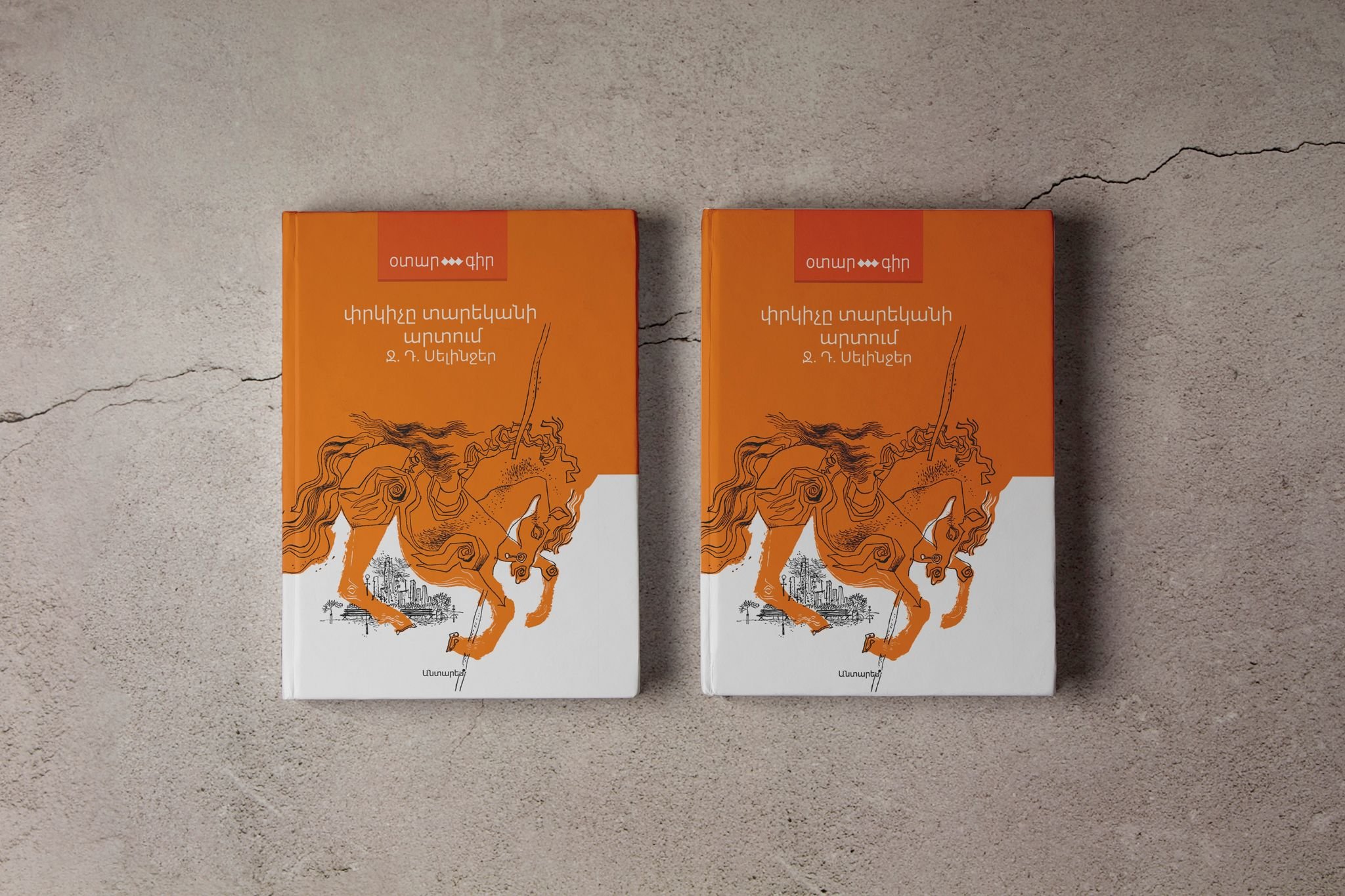
If we turn to modern literature, we see that the appetite for morally ambiguous heroes has only intensified. In The Catcher in the Rye by J. D. Salinger, Holden Caulfield is cynical, dishonest, and frequently cruel in his judgments. He alienates those who try to help him. Yet his anger is rooted in grief and vulnerability. His moral compass is inconsistent, but his sensitivity to hypocrisy reveals a deep ethical concern. Holden’s flaws are not signs of corruption; they are symptoms of confusion. His grayness is the mark of adolescence, of a mind still forming its understanding of the world.
Even in epic literature, where heroes are often mythologized, moral complexity prevails. In The Iliad, Achilles is both magnificent and terrifying. He is brave and loyal to his comrades, but he is also consumed by rage. His refusal to fight leads to catastrophic consequences. When he returns to battle, his fury becomes inhuman. Yet it is precisely this mixture of vulnerability and wrath that makes him timeless. Achilles grieves, loves, and suffers. His moral ambiguity mirrors the ancient recognition that glory and destruction are intertwined.
So why do we gravitate toward such figures?
First, morally gray heroes allow literature to explore ethical dilemmas rather than deliver moral lessons. When a character is purely good or purely evil, the narrative risks becoming didactic. But when a protagonist makes questionable choices for understandable reasons, readers are invited to think rather than simply judge. We are placed in the uncomfortable position of empathy. We may not approve of Raskolnikov’s crime or Emma Bovary’s infidelity, but we understand the impulses that drive them. Literature becomes a laboratory for moral reflection.
Second, flawed heroes reflect the modern understanding of identity as fractured and unstable. We are no longer satisfied with archetypes. We crave psychological depth. The inner life—with its contradictions, rationalizations, and blind spots—has become the true arena of drama. A character who wrestles with conscience is more compelling than one who never doubts.
Third, moral grayness challenges the binary thinking that dominates public discourse. In a world increasingly polarized between heroes and villains, literature reminds us that most human beings occupy the space in between. By presenting protagonists who are neither saints nor monsters, writers cultivate nuance. They resist the temptation to simplify.
Importantly, moral ambiguity does not mean moral emptiness. The best literary heroes are not good, but neither are they indifferent. They care intensely. Their struggles matter because they are fighting—sometimes clumsily, sometimes destructively—for something they believe is meaningful. Gatsby reaches for an impossible dream. Raskolnikov tests the limits of morality. Heathcliff demands recognition. Emma Bovary seeks beauty beyond her confinement. Achilles defends his honor. Their methods are flawed, but their passions are authentic.
In many cases, redemption emerges not from perfection but from self-awareness. When Raskolnikov confesses, it is not because he suddenly becomes virtuous; it is because he can no longer live with the fragmentation of his own psyche. When Achilles returns Hector’s body to Priam, he momentarily transcends his rage through shared grief. These gestures are powerful precisely because they are hard-won. Goodness, in such narratives, is not a starting point but a fragile achievement.
There is also a deeper aesthetic reason for our attraction to moral gray zones. Tragedy depends on imperfection. If heroes were flawless, their suffering would feel arbitrary. But when their downfall arises from their own excess—pride, obsession, envy, longing—the story gains inevitability. We witness not just fate but character in motion. The gray zone becomes the space where freedom and responsibility collide.
Ultimately, the best literary heroes are not “good” because literature is not a moral instruction manual. It is an exploration of consciousness. It seeks to illuminate the contradictions that define us. By presenting protagonists who stumble, err, and sometimes harm others, writers honor the complexity of human experience.
We return to these characters not because we aspire to imitate them, but because they make visible the hidden negotiations of our own inner lives. We, too, justify our choices. We, too, wrestle with pride and doubt. We, too, inhabit gray zones.
In celebrating morally ambiguous heroes, literature does not abandon ethics—it deepens them. It suggests that goodness is not a static trait but a struggle, that identity is not fixed but forged in conflict. And perhaps that is why the most enduring heroes are not those who shine with unblemished virtue, but those who move through shadow, carrying within them both darkness and light.