


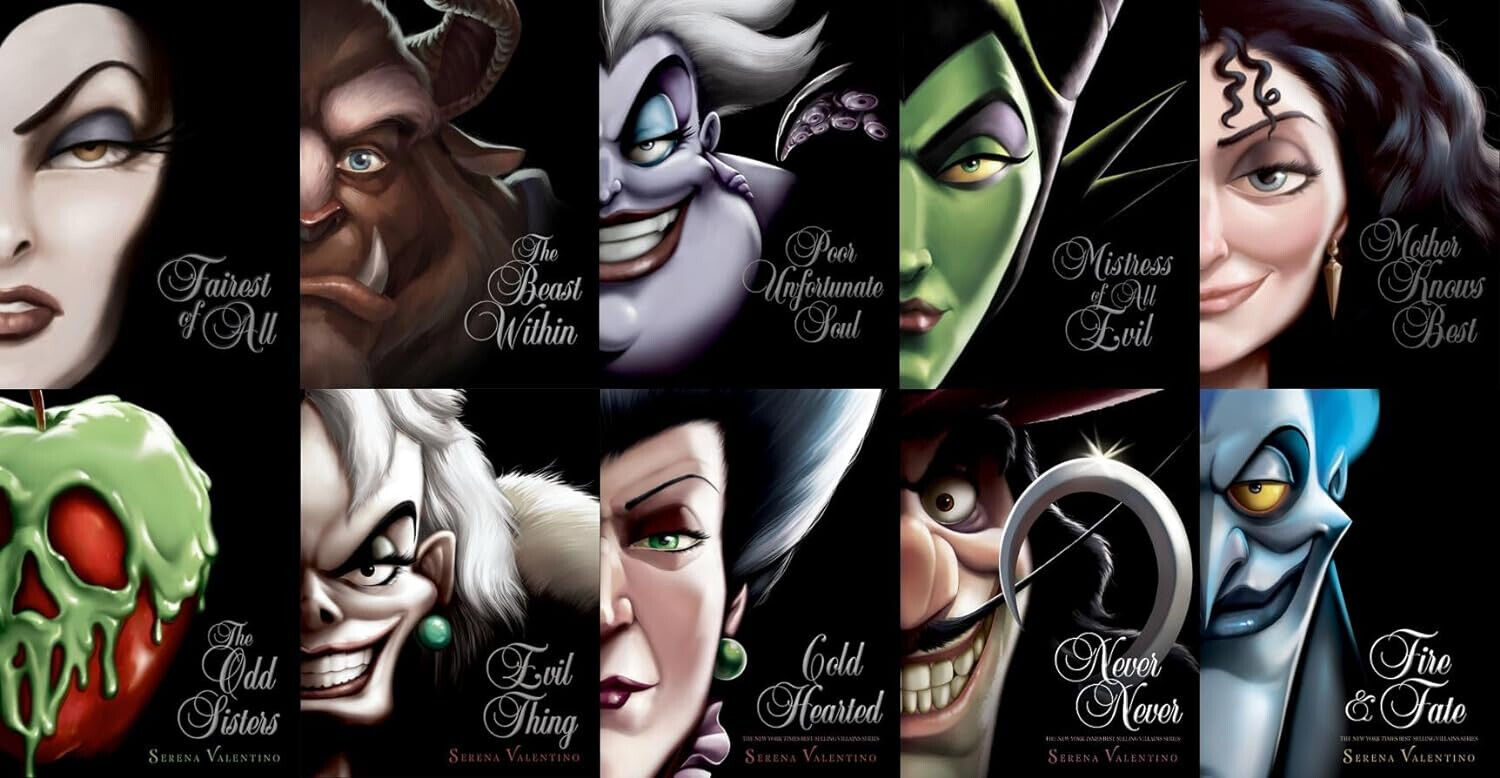
Great stories are often remembered not just for their heroes, but for their villains. In many cases, it is the antagonist who leaves the deepest imprint on the reader’s mind—the chilling presence, the complex motivations, the unsettling charisma. From Iago in Othello to Darth Vader in Star Wars, unforgettable villains shape the emotional and philosophical core of narratives.
But what exactly makes a villain memorable? Why do some antagonists fade into the background while others become iconic figures in literature and popular culture? The answer lies in a careful blend of psychology, storytelling craft, and emotional resonance. Writers who master the art of villain creation understand that a compelling antagonist is never just “evil”—they are layered, human, and deeply connected to the story’s central themes.
1. Giving Villains a Clear and Convincing Motivation
The foundation of any memorable villain is motivation. Readers may not agree with a villain’s actions, but they must understand why those actions occur. A vague desire for “power” or “destruction” is rarely enough. Instead, great villains are driven by goals that feel specific and, in some cases, disturbingly relatable.
Consider Thanos. His plan to eliminate half of all life in the universe is horrifying, yet it is rooted in a belief that he is saving it from collapse. This sense of purpose transforms him from a generic destroyer into a character with ideological depth.
Similarly, Heathcliff in Wuthering Heights is driven by love, loss, and revenge. His cruelty emerges not from inherent evil but from emotional wounds that fester over time.
A well-crafted motivation does not excuse the villain’s actions—but it makes them understandable, which is far more powerful.
2. Humanizing the Antagonist
One of the most effective ways to create a memorable villain is to make them human. This does not mean making them sympathetic in every case, but it does mean giving them traits, emotions, and vulnerabilities that reflect real human experience.
Take Walter White from Breaking Bad. While he begins as a protagonist, his transformation into a villainous figure is gradual and deeply human. His pride, fear, and desire to provide for his family drive him into moral darkness. Viewers are compelled not because they approve of his choices, but because they recognize the emotional logic behind them.
Humanization can also come through small details—habits, relationships, or moments of vulnerability. A villain who shows affection toward a loved one, hesitates before committing an act, or reflects on their past becomes more complex and, therefore, more memorable.
3. Creating a Strong Connection to the Hero
A great villain is often a mirror, foil, or shadow of the hero. Their relationship is not incidental—it is central to the story’s tension.
In Harry Potter series, Lord Voldemort is deeply connected to Harry Potter. Their intertwined destinies, shared traits, and contrasting choices create a dynamic that elevates both characters. Voldemort represents what Harry could become under different circumstances, making their conflict not just physical but philosophical.
This principle appears across genres. The closer the emotional or ideological link between hero and villain, the more intense and meaningful their confrontation becomes. Writers often ask: What does the villain believe that the hero rejects? The answer to that question defines the story’s core conflict.
4. Giving the Villain Agency and Competence
A forgettable villain is passive or incompetent. A memorable one is active, intelligent, and capable of challenging the protagonist in meaningful ways.
Consider Hannibal Lecter from The Silence of the Lambs. He is not physically dominant in the traditional sense, yet his intellect, psychological insight, and calm control make him terrifying. He drives the story forward, manipulating events and characters even from confinement.
When villains possess agency, they become forces within the narrative rather than obstacles placed in the hero’s path. Their decisions shape the plot, create tension, and force the protagonist to grow.
5. Crafting a Distinct Voice and Presence
Memorable villains often stand out because of how they speak, act, and carry themselves. Their presence alone can create anticipation or dread.
Think of The Joker, particularly as portrayed in The Dark Knight. His unpredictable speech patterns, dark humor, and chaotic philosophy make him unforgettable. Every line of dialogue reinforces his worldview and deepens his unsettling charm.
A villain’s voice is not just about dialogue—it includes their behavior, their decisions, and the way other characters react to them. Writers often develop specific linguistic patterns or symbolic traits to make their antagonists instantly recognizable.
6. Embodying a Theme or Idea
The most enduring villains represent more than themselves—they embody larger themes or ideas within the story.
In 1984, the oppressive force of Big Brother (often represented through Big Brother) is not just a character but a symbol of totalitarian control and surveillance. The villain becomes a manifestation of the story’s central warning.
Similarly, Sauron in The Lord of the Rings represents the corrupting nature of absolute power. Even with limited direct presence, his influence permeates the narrative.
When a villain embodies a theme, their role transcends plot mechanics. They become part of the story’s philosophical and emotional foundation.
7. Allowing for Moral Ambiguity
Modern storytelling increasingly favors villains who exist in moral gray areas. These characters challenge readers to question their assumptions about right and wrong.
Erik Killmonger from Black Panther is a powerful example. His anger and actions are rooted in historical injustice and personal trauma. While his methods are extreme, his critique of systemic inequality resonates with audiences, making him one of the most discussed villains in recent cinema.
Moral ambiguity does not weaken a villain—it strengthens them by adding layers of interpretation. Readers are drawn into ethical dilemmas, which makes the story more engaging and thought-provoking.
8. Building a Compelling Backstory
A well-developed backstory can transform a villain from a static figure into a dynamic character. Understanding where they come from—what shaped them, what they lost, what they fear—adds depth to their actions.
However, writers must balance revelation with mystery. Not everything needs to be explained. Sometimes, leaving parts of a villain’s past unknown enhances their intrigue.
For instance, while Voldemort’s origins are explored, there remains an aura of inevitability and darkness around his transformation. This combination of explanation and mystery keeps the character compelling.
9. Ensuring Consequences and Stakes
A memorable villain raises the stakes of the story. Their actions must have real consequences, affecting not only the protagonist but also the world around them.
When a villain’s presence leads to irreversible change—loss, transformation, or revelation—the story gains weight. The audience understands that the conflict matters, and that the outcome will leave a lasting impact.
This is evident in tragedies like Macbeth, where Macbeth becomes both protagonist and villain. His descent into tyranny leads to widespread destruction, illustrating the devastating consequences of unchecked ambition.
10. Leaving a Lasting Impression
Finally, a memorable villain lingers in the reader’s mind long after the story ends. This can come from a powerful final scene, a haunting line of dialogue, or the unresolved questions they leave behind.
Writers often aim for a sense of inevitability or tragedy in their villains’ arcs. Whether they are defeated, redeemed, or remain undefeated, their journey should feel complete and meaningful.
Conclusion
Creating a memorable villain is one of the most challenging and rewarding aspects of storytelling. It requires more than crafting an obstacle—it demands building a character who is as rich, complex, and compelling as the hero, if not more so.
The most unforgettable villains are those who feel real. They have motivations we can understand, emotions we can recognize, and beliefs that challenge our own. They reflect the darker aspects of humanity, forcing us to confront uncomfortable truths about power, morality, and choice.
In the end, a great villain does not simply oppose the hero—they define the story.