


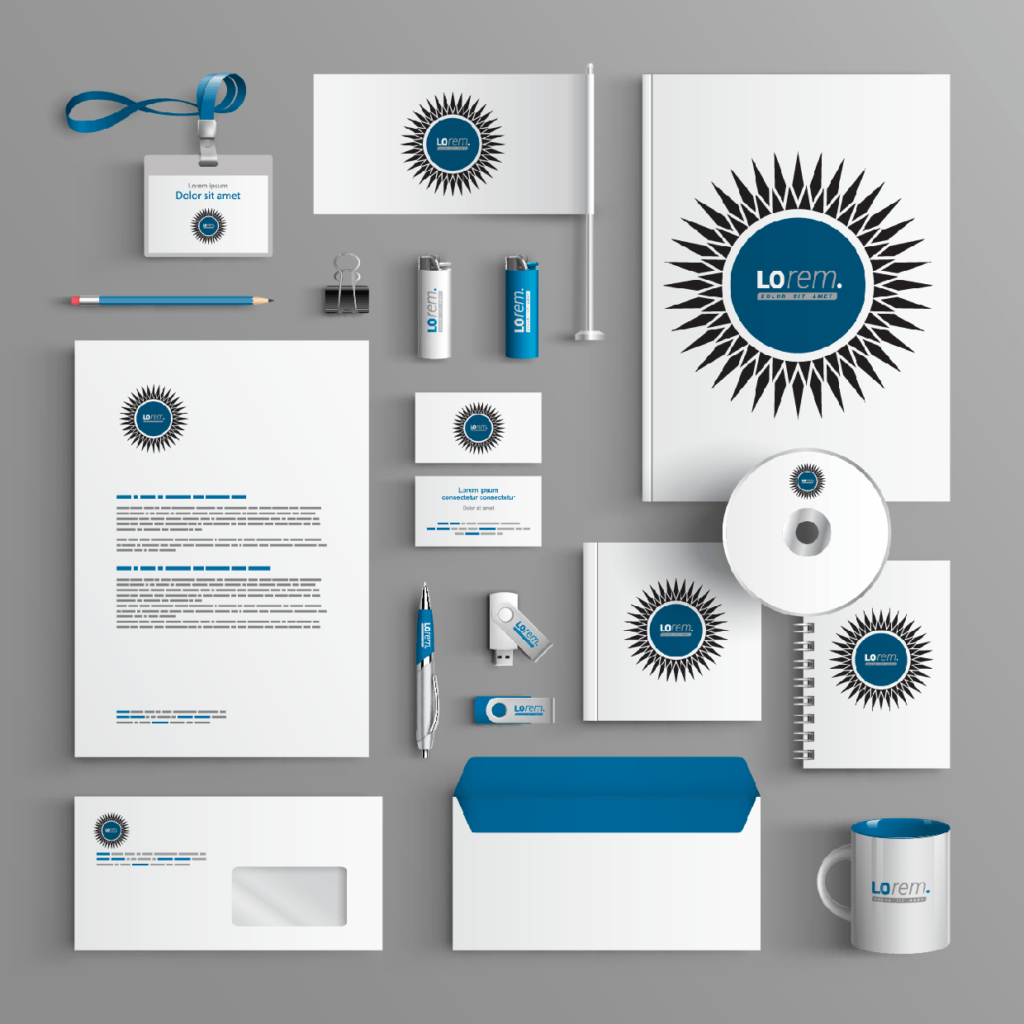
In a world dominated by digital ads, artificial intelligence, endless notifications, and constantly changing social media algorithms, many businesses once predicted the complete disappearance of print marketing. Yet in 2026, print remains not only relevant but surprisingly powerful. From luxury brands and local businesses to universities, restaurants, real estate companies, and global retailers, organizations continue investing heavily in printed materials because they still deliver results that digital channels often cannot replicate.
Consumers today spend more time online than ever before. They are exposed to thousands of digital advertisements every day across websites, apps, streaming platforms, and social media feeds. As a result, digital fatigue has become a real issue. People scroll quickly, ignore banner ads, skip videos, block pop-ups, and forget most online promotions within seconds. In contrast, print marketing offers something increasingly rare: focus, physical presence, credibility, and memorability.
Print marketing in 2026 is no longer about choosing paper over digital. Instead, the most successful brands use print strategically alongside digital tools to create deeper, more meaningful customer experiences. The continued effectiveness of print comes from psychology, trust, sensory engagement, and the growing desire for authentic communication in an overly automated world.
Print Feels More Trustworthy
One of the biggest reasons print marketing still works is trust. Consumers tend to perceive printed materials as more credible and professional than digital advertisements. A beautifully designed brochure, magazine, catalog, or direct mail piece often signals that a company is established, serious, and willing to invest in quality communication.
Digital advertising has unfortunately become associated with spam, scams, clickbait, and intrusive targeting. Consumers know that almost anyone can launch an online ad campaign within minutes. Print, however, requires planning, design, production, and distribution. This extra effort creates an impression of legitimacy and permanence.
Studies over the past decade have repeatedly shown that people trust printed information more than online content. This is particularly important in industries where credibility matters, such as education, finance, healthcare, hospitality, luxury goods, and real estate. A professionally printed annual report or product catalog can strengthen a brand’s authority in ways that a temporary social media post often cannot.
In 2026, when AI-generated content floods the internet, printed materials also feel more human and intentional. Consumers increasingly value communication that appears curated rather than mass-produced by algorithms.
Physical Materials Create Stronger Memory Retention
Another major advantage of print marketing is memory retention. Research in neuroscience and consumer psychology suggests that people remember printed information better than digital content. Reading something physically on paper activates different cognitive processes compared to reading on a screen.
Printed materials engage spatial memory. Readers often remember where information appeared on a page, how the material felt in their hands, or even the texture and smell of the paper. These sensory experiences create stronger emotional and mental connections.
Digital content, by comparison, is often consumed rapidly and forgotten quickly. Endless scrolling encourages shallow attention spans. Print naturally slows readers down, encouraging deeper focus and engagement.
This is why many companies still rely on printed catalogs, premium brochures, postcards, packaging inserts, event programs, and direct mail campaigns. Even younger audiences who grew up online often respond positively to thoughtfully designed print because it feels different from their everyday digital experiences.
In an age where attention has become one of the world’s most valuable resources, print’s ability to hold attention is incredibly important.
Direct Mail Has Evolved — and It Works
Direct mail marketing has undergone a major transformation in recent years. Gone are the days of generic mass mailers sent to everyone in a postal code. Modern print campaigns are data-driven, personalized, and highly targeted.
Today’s businesses combine customer analytics, AI insights, purchasing behavior, and geographic data to create customized direct mail campaigns with remarkable precision. A customer might receive a personalized product recommendation, a local event invitation, or a special offer based on previous interactions with a brand.
Ironically, because many companies shifted entirely toward digital marketing, physical mailboxes have become less crowded. Consumers now receive fewer printed promotions than they did twenty years ago, meaning high-quality mail pieces stand out far more effectively.
A well-designed printed postcard or catalog can remain on a kitchen counter, office desk, or coffee table for days or even weeks. Emails, on the other hand, are often deleted within seconds.
QR codes, augmented reality features, NFC technology, and personalized URLs have also modernized print marketing. Printed materials now easily connect consumers to websites, online stores, video content, booking systems, or interactive experiences. Print and digital no longer compete — they complement each other.
Print Provides a Break from Screen Fatigue
By 2026, people spend enormous portions of their lives in front of screens. Remote work, smartphones, streaming services, online shopping, virtual meetings, AI assistants, and social media all contribute to digital exhaustion.
As screen fatigue increases, physical media becomes more refreshing and enjoyable. Reading a printed magazine, holding a catalog, or receiving a beautifully designed invitation feels calmer and more personal than interacting with another glowing screen.
Many premium brands intentionally use print to create moments of pause and reflection. Luxury hospitality companies, fashion houses, travel brands, and cultural institutions often rely on printed materials because they enhance emotional experience and reinforce brand identity.
Print creates a tactile relationship between brand and consumer. Texture, paper weight, embossing, foil finishes, typography, and packaging details all contribute to how customers emotionally perceive a company. These sensory qualities cannot be fully replicated digitally.
In a highly virtual world, physical experiences have become more valuable, not less.
Print Marketing Reaches Audiences Digital Ads Miss
Digital marketing is powerful, but it has limitations. Ad blockers, privacy regulations, cookie restrictions, algorithm changes, and growing consumer skepticism have made online advertising more challenging and expensive.
Many users intentionally avoid digital ads altogether. Others become overwhelmed by the sheer volume of online content competing for their attention.
Print marketing helps brands break through this noise. It reaches consumers in environments where digital interruptions are absent. A flyer in a local café, a high-quality brochure at a trade show, a branded package insert, or a direct mail piece delivered to a home can create focused engagement without competing against dozens of browser tabs and notifications.
Local businesses especially benefit from print. Restaurants, bookstores, fitness centers, schools, clinics, real estate agencies, and community organizations continue using printed materials effectively because they connect directly with local audiences.
Event marketing also heavily depends on print. Posters, signage, banners, printed schedules, menus, tickets, and promotional materials remain essential for creating immersive physical experiences.
Sustainability Has Improved Print’s Reputation
For years, critics viewed print marketing as environmentally harmful. However, the printing industry has changed dramatically. In 2026, sustainability is one of the biggest innovations in print production.
Modern printing companies increasingly use recycled paper, FSC-certified materials, soy-based inks, waterless printing technologies, energy-efficient production systems, and carbon-neutral shipping practices. Many brands now produce environmentally responsible printed materials that align with their sustainability goals.
At the same time, consumers have become more aware of digital technology’s environmental impact. Massive data centers, constant streaming, cloud storage, cryptocurrency systems, and AI computing require enormous amounts of electricity and water.
This growing awareness has complicated the old assumption that “digital is always greener.” In many cases, thoughtfully produced print materials with long lifespans can be more sustainable than endless short-lived digital advertising campaigns.
Sustainable print is now viewed not as outdated, but as premium, responsible, and intentional.
Print Strengthens Brand Identity
Strong branding depends on consistency and emotional connection. Print marketing helps companies express their identity in tangible ways.
The physical qualities of printed materials communicate subtle but powerful messages. Thick paper stock may suggest luxury and reliability. Minimalist design may communicate sophistication. Bold typography and vivid colors may create energy and excitement.
Packaging has become especially important in modern marketing. In the age of e-commerce, the unboxing experience is often a customer’s first physical interaction with a brand. Printed inserts, thank-you cards, stickers, catalogs, and branded packaging materials help companies build emotional loyalty.
Many brands now design print pieces specifically for social sharing. Beautiful packaging and printed materials frequently appear in unboxing videos, Instagram posts, TikTok content, and influencer campaigns, extending the life of print into digital spaces.
Rather than replacing print, social media has often amplified it.
Print and Digital Work Best Together
The future of marketing is not print versus digital. The most effective campaigns integrate both.
A customer may first discover a brand online, receive a printed catalog in the mail, scan a QR code to visit a website, attend an in-person event with printed materials, and later make a purchase through a mobile app. Modern marketing is interconnected.
Print adds depth and permanence to digital strategies. Digital adds speed, targeting, and interactivity to print campaigns.
Companies that understand this balance are achieving stronger engagement and higher conversion rates than businesses relying on a single channel alone.
For example, QR-enabled brochures can lead users directly to videos or booking pages. Personalized direct mail campaigns can trigger digital retargeting ads. Printed event invitations can increase attendance while strengthening perceived exclusivity.
In 2026, the smartest marketers no longer ask whether print is dead. Instead, they ask how print can enhance the overall customer journey.
Conclusion
Print marketing continues to thrive in 2026 because it offers qualities that digital media often lacks: trust, permanence, memorability, sensory engagement, and emotional impact. In an increasingly automated and screen-saturated world, physical communication feels more valuable and authentic.
Modern print marketing is smarter, more sustainable, more personalized, and more integrated with digital technology than ever before. Businesses that use print strategically are discovering that customers still appreciate tangible experiences and meaningful brand interactions.
Far from disappearing, print has evolved into a premium communication tool that stands out precisely because so much of modern life exists online.
As technology continues advancing, the role of print marketing may continue changing — but its core strengths remain timeless. Human beings still respond deeply to physical objects, thoughtful design, and experiences they can touch and remember. That is why print marketing still works, and why it will likely remain an essential part of successful branding and communication for years to come.