


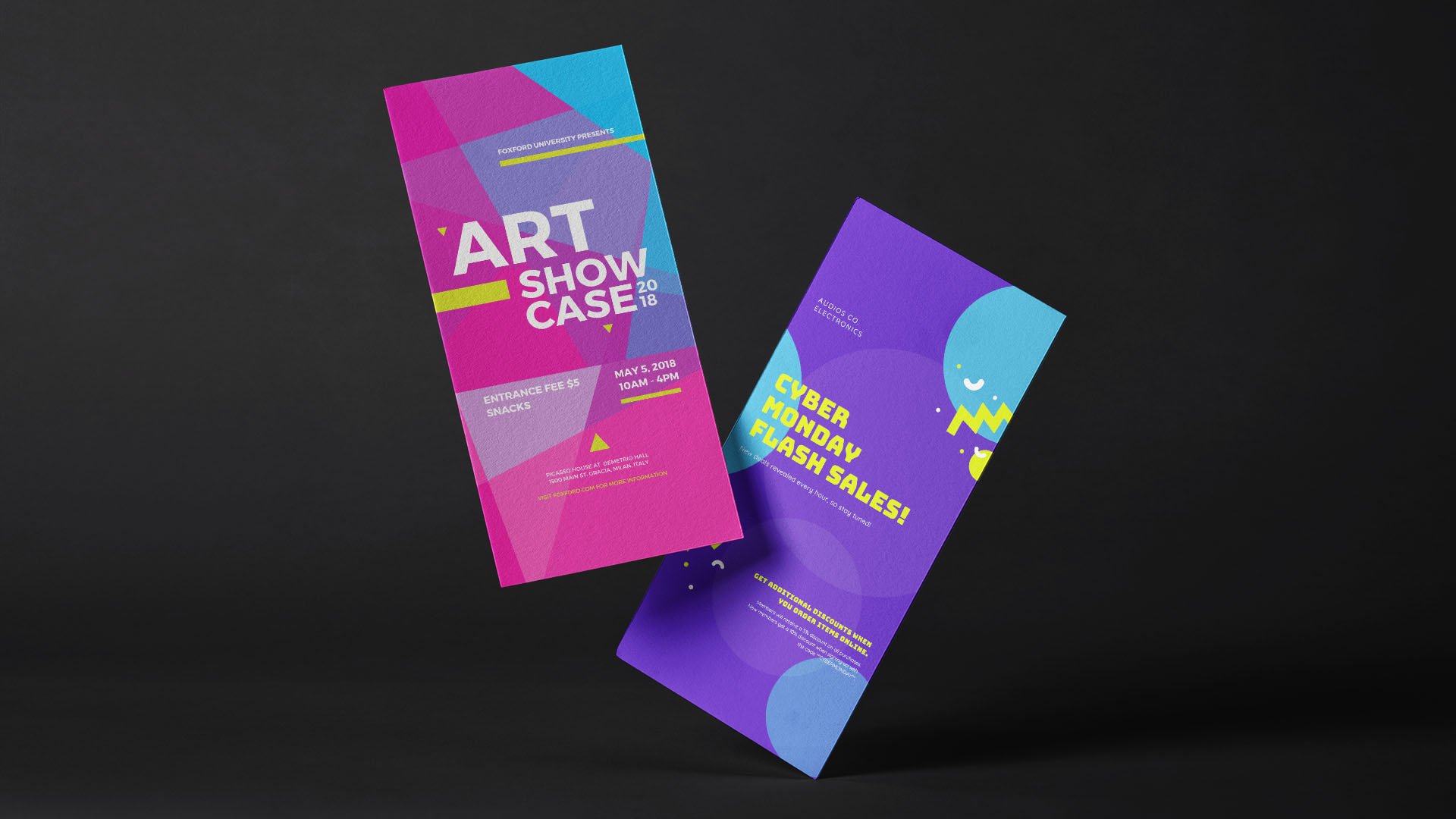
Commercial printing is one of those industries that quietly shapes almost everything we see in the physical world. From the flyer you pick up on a street corner to the massive billboard towering over a highway, print remains a powerful communication tool—even in an increasingly digital age. While screens dominate attention, printed materials continue to deliver something digital often cannot: tangibility, permanence, and presence in physical space.
Understanding the different types of commercial printing helps businesses choose the right format for their message, budget, and audience. Each printing type has its own strengths, limitations, and ideal use cases. In this article, we’ll explore the most common forms of commercial printing, how they work, and why they still matter today.
The Role of Commercial Printing Today
Before diving into specific formats, it’s important to understand why commercial printing still exists in such a digital-first world. The answer lies in behavior and environment. People scroll through thousands of digital ads daily, but they physically encounter printed materials in real-world contexts—on streets, in cafes, in shops, at events, and in their homes.
Print creates a different kind of attention. It is less interruptive than digital ads but often more memorable. A well-designed poster or brochure can sit on a desk or wall for days, weeks, or even months, reinforcing a message over time.
Commercial printing bridges marketing, design, and communication. It is used by businesses, governments, cultural institutions, and small startups alike. Now let’s explore its main forms.
1. Flyers and Leaflets: Fast, Affordable, and Direct
Flyers are one of the simplest and most widely used forms of commercial printing. Typically printed on lightweight paper, they are designed for mass distribution—handed out on the street, placed in mailboxes, or included in packaging.
Their strength lies in speed and affordability. Businesses often use flyers for:
- Event announcements
- Sales and promotions
- Restaurant menus
- Local advertising campaigns
Flyers are usually single-page designs, though they can be folded into leaflets for more space. Because they are inexpensive to produce, they are ideal for short-term marketing efforts where reach matters more than longevity.
However, their simplicity is both a strength and a limitation. Flyers must communicate a message instantly—within seconds—before the reader discards them.
2. Posters: Visual Impact in Public Spaces
Posters take commercial printing to a more visual and artistic level. Larger than flyers and designed to be displayed in public spaces, posters are used for advertising, cultural promotion, and branding.
You’ll commonly see posters in:
- Transit stations
- Shop windows
- Universities
- Event venues
- Outdoor advertising boards
The power of a poster lies in its visual hierarchy. A strong poster design uses bold typography, striking imagery, and minimal text to capture attention from a distance.
Posters can range from small A3 prints to large-format pieces, depending on where they will be displayed. They are often used for concert promotions, movie releases, political campaigns, and retail branding.
Unlike flyers, posters are not usually handed out. Instead, they are placed strategically where people naturally pass by.
3. Brochures: Structured Storytelling in Print
Brochures are more detailed than flyers and posters. They are folded printed documents that allow businesses to present structured information in a compact format.
Common brochure styles include:
- Bi-fold (one fold, four panels)
- Tri-fold (two folds, six panels)
- Multi-page booklets
Brochures are often used in industries where explanation matters:
- Tourism and hospitality
- Real estate
- Healthcare services
- Corporate presentations
A brochure is not just advertising—it is storytelling. It guides the reader through a narrative: who the company is, what it offers, and why it matters. Because of this, brochures require thoughtful design and clear content hierarchy.
They are typically distributed in offices, exhibitions, hotels, and events, often serving as a takeaway reference.
4. Business Cards: Small Format, Big First Impression
Business cards may be small, but they remain one of the most important tools in professional networking. Despite digital contact sharing, physical cards still carry symbolic value—they represent identity, credibility, and professionalism.
A standard business card includes:
- Name and job title
- Company name
- Contact information
- Branding elements (logo, colors, typography)
Modern business cards go beyond simple contact sharing. Some include QR codes linking to websites or portfolios. Others use special finishes like embossing, foil stamping, or textured paper to stand out.
The key function of a business card is memorability. In a stack of introductions, the most distinctive card often wins attention.
5. Packaging Printing: Where Branding Meets Product Experience
Packaging printing is one of the fastest-growing areas of commercial printing. Unlike flyers or posters, packaging is part of the product itself. It influences purchasing decisions at the exact moment of sale.
This category includes:
- Product boxes
- Food packaging
- Labels and stickers
- Retail packaging sleeves
Packaging is where design, psychology, and marketing intersect. A well-designed package can elevate a simple product into a premium experience.
Modern packaging printing often involves advanced techniques such as:
- Spot UV coating
- Embossing and debossing
- Metallic foils
- Eco-friendly materials
Sustainability has also become a major focus, with brands shifting toward recyclable and biodegradable packaging solutions.
6. Large Format Printing: Billboards and Beyond
At the opposite end of the scale from business cards lies large-format printing. This includes billboards, banners, building wraps, and exhibition graphics.
Billboards are perhaps the most iconic form of commercial printing. Positioned along highways and busy urban roads, they are designed for maximum visibility and minimal reading time. A driver passing at speed may only have a few seconds to absorb the message.
Because of this, billboard design relies heavily on:
- Strong imagery
- Minimal text
- Bold color contrast
- Clear branding
Large-format printing is also widely used indoors for trade shows, exhibitions, and retail displays. These formats help brands create immersive physical environments.
Unlike smaller print formats, large-scale prints require durability. Materials must withstand weather, sunlight, and time—especially in outdoor environments.
7. Catalogs and Magazines: Long-Form Print Communication
Catalogs and magazines represent a more editorial approach to commercial printing. They are often used by brands to showcase products, tell stories, or build deeper engagement with audiences.
Catalogs are especially common in:
- Fashion retail
- Furniture and home decor
- Automotive industries
Magazines, on the other hand, blend advertising with editorial content. They are used by brands to build lifestyle identity and community.
These formats are valuable because they encourage longer attention spans. Unlike digital browsing, printed catalogs invite readers to slow down, browse, and explore.
High-quality paper, photography, and layout design are essential here. The goal is not just to inform, but to inspire.
8. Labels and Stickers: Small but Essential
Labels and stickers may seem minor, but they play a crucial role in branding, logistics, and product identification. They are used in nearly every industry—from food packaging to shipping and retail.
Labels carry essential information such as:
- Ingredients and instructions
- Barcodes
- Brand identity
- Legal compliance details
Stickers, meanwhile, are often used for promotional purposes, packaging decoration, or even guerrilla marketing campaigns.
Advances in digital printing have made labels highly customizable, allowing businesses to produce small batches with variable designs.
The Future of Commercial Printing
While digital media continues to grow, commercial printing is far from disappearing. Instead, it is evolving. The future of print is defined by integration, sustainability, and customization.
Key trends include:
- Hybrid campaigns combining print and digital (QR codes, AR integration)
- Eco-friendly materials and reduced waste production
- On-demand printing to minimize excess inventory
- Personalization at scale, enabled by digital printing technologies
Rather than competing with digital media, print is increasingly complementing it. A billboard might direct users to a website. A brochure might include interactive elements. A packaging design might unlock digital content.
Conclusion
From the smallest flyer to the largest billboard, commercial printing remains a fundamental part of how we communicate, advertise, and experience brands in the physical world. Each format serves a unique purpose, shaped by its size, cost, audience, and environment.
What makes print enduring is not nostalgia—it is effectiveness. It meets people where they are: in real spaces, with real objects, in moments that matter. As technology continues to evolve, commercial printing is not fading away. It is adapting, becoming more creative, more sustainable, and more integrated with the digital world than ever before.