


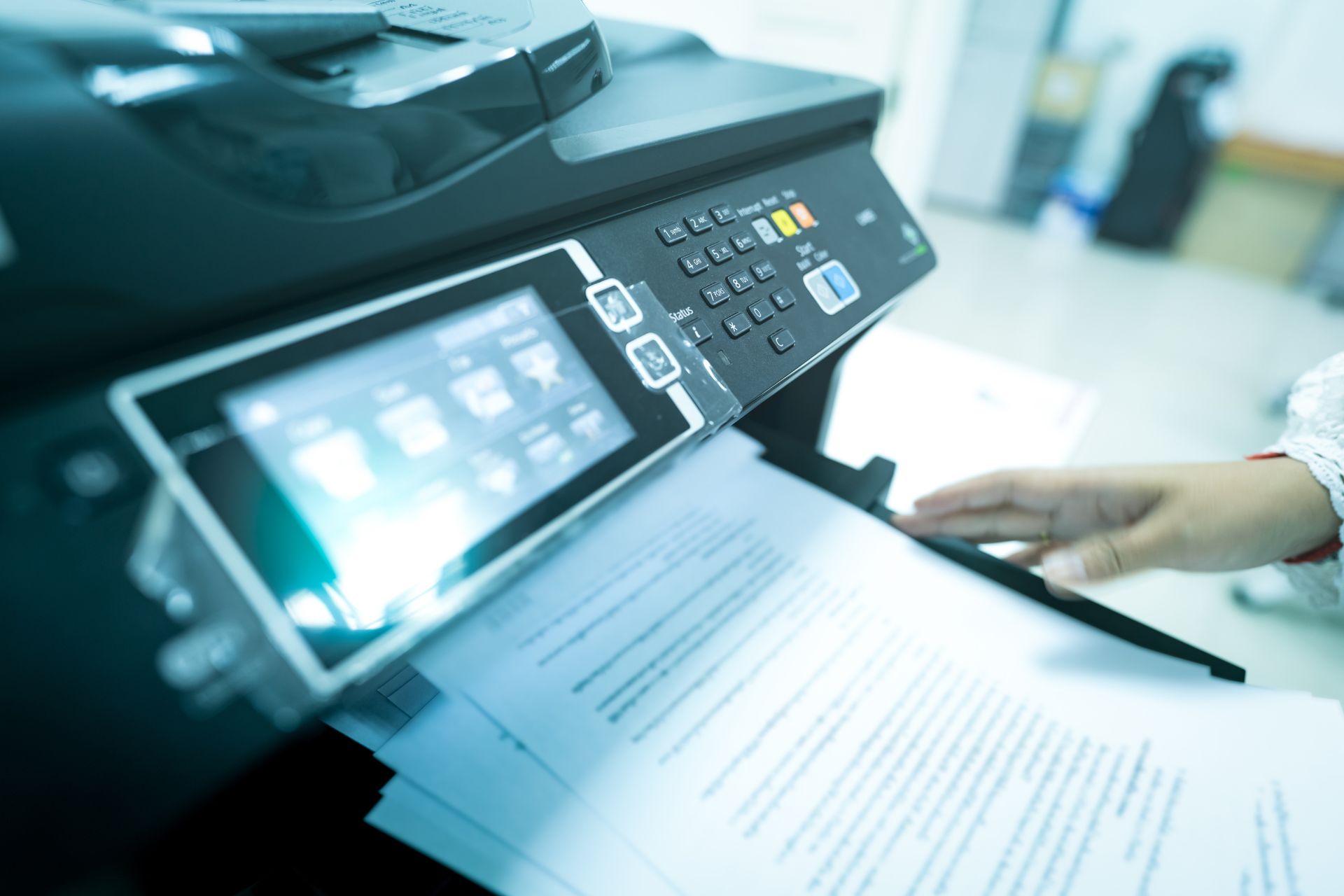
For years, the story seemed straightforward: digital would replace print. As smartphones became extensions of our hands, social media dominated communication, and cloud storage eliminated the need for physical documents, many predicted that printed materials would eventually become obsolete. Newspapers reduced circulation, magazines shifted online, and businesses invested heavily in digital marketing strategies.
Yet something unexpected has happened.
In a world more saturated with screens than ever before, print is making a remarkable comeback. From independent magazines and luxury catalogs to printed books, direct mail campaigns, and high-quality packaging, physical media is regaining relevance. Rather than disappearing, print has evolved into something even more valuable: a tangible, trusted, and memorable experience that digital platforms often struggle to replicate.
This resurgence is not driven by nostalgia alone. It reflects deeper shifts in consumer behavior, information overload, attention economics, and the growing desire for authentic human experiences in an increasingly virtual world.
Living in the Age of Digital Fatigue
The average person today spends hours every day looking at screens. Work happens on laptops, communication happens on phones, entertainment streams through televisions and tablets, and social interactions increasingly take place online.
While digital technology offers undeniable convenience, it has also created new challenges.
People are overwhelmed by notifications, advertisements, emails, pop-ups, and endless streams of content competing for attention. Every day, individuals encounter thousands of marketing messages across websites, apps, and social platforms. Much of this information is consumed quickly and forgotten almost immediately.
This phenomenon, often referred to as “digital fatigue,” has led many consumers to seek experiences that feel slower, more focused, and more meaningful.
Print offers exactly that.
Unlike digital content, which is often interrupted by alerts and distractions, printed materials invite concentration. Reading a magazine, browsing a catalog, or holding a book creates a different mental environment—one that encourages engagement rather than constant switching between tasks.
As screen time increases, the value of screen-free experiences grows as well.
Why Physical Materials Feel More Valuable
One of the key reasons behind print’s revival is the psychology of ownership and physical interaction.
Humans are naturally tactile creatures. We interact with the world through touch, and physical objects often create stronger emotional connections than digital files.
A beautifully printed book feels different from an e-book. A carefully designed brochure feels more permanent than a webpage. Premium packaging can transform a simple purchase into an experience.
Researchers have consistently found that people tend to remember information better when they read it in physical form. Printed materials engage multiple senses, creating stronger cognitive associations and improving recall.
Physical objects also convey effort.
When a company invests in quality paper, professional printing, and thoughtful design, audiences often interpret that investment as a sign of credibility and commitment. In contrast, digital content can be created and distributed almost instantly, making it easier to ignore or dismiss.
In a crowded marketplace, perceived value matters—and print naturally communicates value.
Trust in an Era of Information Overload
Trust has become one of the most important currencies of the modern economy.
Consumers are increasingly skeptical of online information. Fake news, misleading advertisements, manipulated images, and algorithm-driven content have made many people more cautious about what they encounter online.
Printed materials often benefit from a perception of greater legitimacy.
A printed publication typically requires editorial oversight, production costs, and distribution planning. Because creating physical media involves a greater investment of resources, audiences frequently associate it with higher standards and reliability.
This perception extends beyond journalism.
Businesses that use professionally printed catalogs, annual reports, brochures, and direct mail campaigns often appear more established and trustworthy. For many consumers, receiving a physical piece of communication suggests that the sender is serious about building a long-term relationship rather than simply generating a quick click.
In industries where reputation is critical—such as finance, education, healthcare, hospitality, and luxury retail—print remains a powerful trust-building tool.
The Luxury Industry Never Left Print
Interestingly, some sectors never abandoned print in the first place.
Luxury brands have long understood the power of physical media. High-end fashion houses, premium automobile manufacturers, luxury hotels, and exclusive retailers continue to invest heavily in printed materials.
Why?
Because luxury is about experience.
The texture of premium paper, the quality of the printing, the weight of a catalog, and the precision of the finishing all contribute to a brand’s identity. These sensory elements cannot be fully replicated on a screen.
A luxury catalog is not merely a collection of products—it is a carefully curated brand experience. It communicates exclusivity, craftsmanship, and attention to detail.
As mainstream businesses increasingly move toward digital-only communication, high-quality print stands out even more. The rarity of physical media can actually enhance its impact.
The Revival of Independent Publishing
One of the most fascinating aspects of print’s comeback is the growth of independent publishing.
Around the world, independent magazines are thriving. Many focus on niche interests such as design, architecture, travel, food, culture, sustainability, and craftsmanship.
Unlike traditional mass-market publications, these magazines often prioritize quality over quantity. They feature long-form journalism, exceptional photography, thoughtful design, and collectible formats.
Readers are willing to pay for these publications because they offer something that digital media often lacks: depth.
In an online environment dominated by rapid consumption and short attention spans, independent print publications provide space for reflection and meaningful storytelling.
Many readers now view these magazines not as disposable media but as objects worth keeping, displaying, and revisiting.
Print Marketing Is Becoming More Effective
The return of print is also evident in marketing.
For years, marketers shifted budgets toward digital advertising, attracted by precise targeting and detailed analytics. However, increasing competition online has driven advertising costs upward while reducing visibility.
Consumers have learned to ignore banner ads. Ad blockers are widespread. Social media algorithms constantly change. Email inboxes are crowded.
Print marketing, meanwhile, faces less competition.
A well-designed direct mail piece arriving in a mailbox often receives far more attention than another email arriving in an inbox.
Studies consistently show that direct mail achieves high engagement rates because it is tangible and difficult to overlook. Unlike digital advertisements that disappear with a scroll, printed materials remain visible on desks, kitchen tables, and office counters.
Many businesses now use integrated strategies that combine digital and print channels, recognizing that the two are not competitors but complementary tools.
A printed catalog may drive online purchases. A brochure may lead customers to a website. A direct mail campaign may reinforce a digital advertising effort.
The most successful brands increasingly use both worlds together.
Sustainability Is Changing the Conversation
One of the traditional criticisms of print has been its environmental impact. However, advances in sustainable printing practices are reshaping this discussion.
Many printing companies now use responsibly sourced paper, recycled materials, vegetable-based inks, and energy-efficient production processes. Forest certification programs help ensure that paper products originate from sustainably managed forests.
Meanwhile, digital technologies also have environmental costs. Data centers, cloud storage, streaming services, and device manufacturing consume substantial amounts of energy and resources.
As awareness grows around the environmental footprint of both physical and digital systems, the conversation is becoming more nuanced.
The question is no longer whether print or digital is inherently sustainable. Instead, organizations are increasingly focused on using each medium responsibly and strategically.
Print as a Premium Experience
Perhaps the most important reason for print’s resurgence is that it offers something increasingly rare: presence.
Digital media excels at speed, convenience, and accessibility. Print excels at attention, permanence, and sensory engagement.
In a world of infinite scrolling, a printed page encourages pause.
In a world of temporary content, print creates permanence.
In a world dominated by virtual interactions, physical objects provide tangible experiences.
As consumers become more selective about where they invest their attention, these qualities are gaining value.
The future is unlikely to be a return to a print-dominated society. Digital technology will continue to play a central role in communication, commerce, and culture.
However, the assumption that digital would completely replace print has proven incorrect.
Instead, print has found a new purpose.
Conclusion
The comeback of print is not a rejection of technology. It is a response to the limitations of a screen-saturated world.
People are seeking deeper engagement, greater trust, stronger memories, and more meaningful experiences. Print delivers these qualities in ways that digital media often cannot.
Rather than competing directly with digital platforms, print has repositioned itself as a premium medium—one that commands attention, creates emotional connections, and stands out amid the constant noise of modern life.
As businesses, publishers, educators, and creative professionals look toward the future, the lesson is clear: the most effective communication strategies will not choose between print and digital. They will understand the unique strengths of each.
In an age of endless screens, the physical page has become something surprisingly powerful again.