


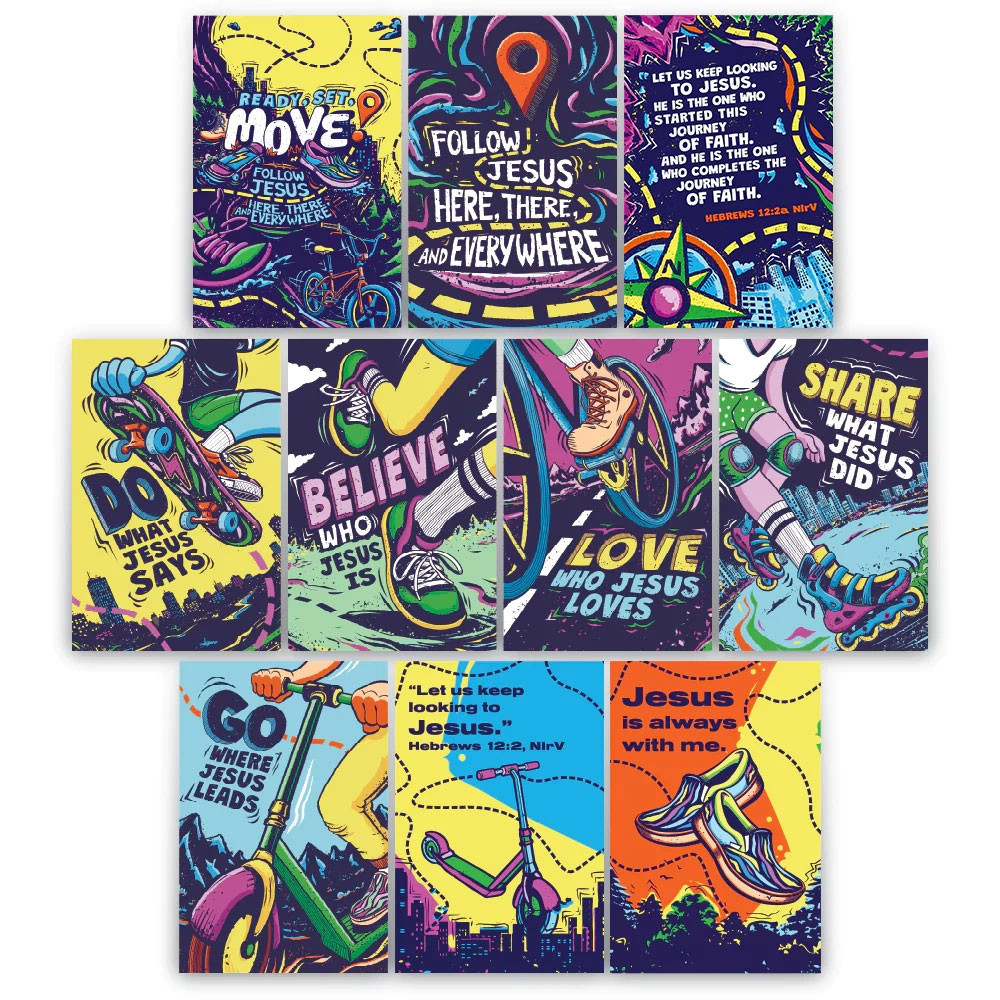
Long before social media hashtags, viral videos, and online campaigns became the driving force behind public activism, printed posters served as one of the world’s most influential communication tools. They transformed city walls into public forums, inspired revolutions, mobilized communities, challenged governments, and gave ordinary people a voice that could not easily be ignored.
A single poster—designed with striking imagery, memorable typography, and a compelling message—could unite thousands around a common cause. Even in today’s digital age, printed posters remain an enduring symbol of activism and collective action. Their physical presence continues to command attention in ways that digital content often cannot.
This article explores how printed posters have shaped social movements throughout history, why they remain effective today, and what designers can learn from some of the most influential examples ever created.
The Birth of the Protest Poster
Printed posters became widespread in the nineteenth century as advances in printing technology made mass production faster and more affordable. Improvements in lithography and later offset printing allowed organizations, political groups, labor unions, and community activists to distribute thousands of identical messages across cities within days.
Unlike newspapers, which required literacy, subscriptions, or deliberate reading, posters reached everyone who walked through public spaces. Streets, train stations, marketplaces, universities, and factory entrances became powerful communication channels.
Posters quickly evolved from simple announcements into persuasive visual statements capable of influencing public opinion. They combined text and imagery in a way that could be understood instantly—even from a distance.
This accessibility made them one of the earliest forms of mass visual communication.
Why Posters Became So Powerful
The effectiveness of printed posters lies in their unique combination of design, visibility, and permanence.
Unlike online advertisements that disappear with a swipe or notification, posters occupy physical space. They interrupt daily routines by appearing on walls, buildings, windows, fences, and public notice boards.
Their strength comes from several key characteristics:
- Immediate visual impact
- Memorable typography
- Bold color choices
- Simple but emotional messaging
- Wide public accessibility
- Low production cost compared to other media
Because posters are designed for quick understanding, they force designers to communicate ideas with clarity. Every word and every visual element must contribute to a single message.
Many of history’s most successful social movement posters contained only a few carefully chosen words.
Posters During Labor Movements
One of the earliest examples of posters driving social change can be found in labor movements during the late nineteenth and early twentieth centuries.
As industrialization transformed economies, workers organized strikes demanding safer workplaces, fair wages, and reasonable working hours.
Printed posters announced demonstrations, educated workers about their rights, and encouraged participation in marches and meetings.
Factories often employed thousands of workers who had little access to newspapers or political organizations. Posters placed near factory entrances became essential communication tools.
They helped create a shared identity among workers who realized they were not facing exploitation alone.
Simple slogans such as “Eight Hours Work, Eight Hours Rest, Eight Hours for What We Will” became recognizable through repeated printing and public display.
Posters and Women’s Rights
The women’s suffrage movement demonstrated the remarkable power of visual campaigning.
Across Europe and North America, organizations fighting for women’s voting rights relied heavily on printed materials.
Posters advertised rallies, encouraged public debate, challenged stereotypes, and promoted influential speakers.
Many incorporated strong symbolic imagery:
- Women confidently casting ballots
- Broken chains representing freedom
- Families benefiting from political equality
- National colors emphasizing patriotism rather than rebellion
These designs helped shift public perception by presenting women as active citizens rather than passive observers.
Printed posters also created consistency across campaigns, allowing supporters in different cities to recognize the movement’s visual identity immediately.
Anti-War and Peace Movements
Throughout the twentieth century, anti-war movements embraced poster design as a powerful means of expressing opposition to violence.
During periods of conflict, artists produced emotionally charged visuals that questioned military action, highlighted humanitarian consequences, and promoted peace.
Rather than relying solely on facts and statistics, these posters often appealed directly to emotion.
Powerful photography, symbolic illustrations, and minimal text encouraged viewers to stop, reflect, and discuss difficult issues.
Many became cultural icons long after the conflicts ended, demonstrating how printed design can preserve historical memory.
Civil Rights and Equality Campaigns
Perhaps no social movement illustrates the importance of posters more clearly than campaigns for civil rights and racial equality.
Community organizations used posters to announce marches, fundraising events, public meetings, and voter registration drives.
The visual language emphasized dignity, hope, justice, and unity.
Rather than speaking only to supporters, posters also communicated directly with undecided members of the public.
Their goal was not merely to inform but to persuade.
By appearing throughout neighborhoods, campuses, churches, and public transportation systems, posters normalized conversations about equality and human rights.
They helped transform private concerns into public discussions.
Student Movements and University Activism
Universities have long been centers of political engagement.
From the 1960s onward, campuses around the world became filled with printed posters advocating educational reform, democratic freedoms, environmental protection, and social justice.
Student groups often had limited financial resources, making posters one of the most practical communication methods available.
Silkscreen printing, photocopying, and later digital printing allowed students to produce large quantities at relatively low cost.
Many iconic poster styles emerged from these movements, characterized by:
- Hand-drawn typography
- Bold geometric graphics
- Limited color palettes
- Experimental layouts
- Strong calls to action
These designs continue to influence graphic design education today.
Environmental Activism
As environmental awareness grew during the late twentieth century, posters became central to campaigns addressing pollution, climate change, conservation, and biodiversity.
Environmental posters frequently use striking visual contrasts.
A lush green forest beside a devastated landscape communicates urgency more effectively than lengthy reports.
Likewise, illustrations of endangered wildlife or melting glaciers create immediate emotional responses.
Printed posters are especially valuable during local environmental campaigns, where they encourage community participation in clean-up events, tree planting initiatives, recycling programs, and public demonstrations.
Because they are displayed within neighborhoods, they remind residents that environmental protection begins locally.
The Psychology Behind Effective Protest Posters
The success of protest posters is not accidental.
They are built upon well-established principles of visual communication and psychology.
Effective posters typically focus on one central message rather than multiple competing ideas.
Designers understand that viewers often spend only a few seconds looking at a poster.
This means every design choice matters.
Successful activist posters often include:
- High contrast between text and background
- Large, readable typography
- Powerful imagery
- Limited text
- Emotional appeal
- Clear action steps
Whether encouraging people to vote, attend a rally, donate, or volunteer, the best posters always tell viewers exactly what they should do next.
Printing Technology Changed Activism
Every major advancement in printing technology has expanded the reach of social movements.
Lithographic printing enabled large-scale production during the nineteenth century.
Offset printing dramatically reduced costs during the twentieth century.
Today, digital printing allows organizations to create personalized posters in small quantities without sacrificing quality.
Modern printing offers advantages unimaginable to earlier activists:
- High-resolution photography
- Weather-resistant materials
- Sustainable paper options
- Fast turnaround times
- Variable data printing
- Large-format production
These innovations enable campaigns to adapt messages for different communities while maintaining a consistent visual identity.
The Digital Age Has Not Replaced Printed Posters
Many people assume social media has made printed posters obsolete.
In reality, the two forms of communication often complement each other.
A printed poster displayed during a protest frequently becomes the image that spreads across digital platforms.
Photographs of posters shared online multiply their reach far beyond the original location.
Likewise, QR codes printed on posters now connect audiences directly to petitions, donation pages, event registrations, or educational resources.
This integration of print and digital creates a more effective communication strategy than either medium could achieve independently.
The physical poster attracts attention, while digital technology provides additional information and opportunities for engagement.
Lessons Designers Can Learn from Historic Posters
Many classic protest posters remain visually compelling decades after they were first produced.
Their longevity offers valuable lessons for modern designers.
First, simplicity often communicates more effectively than complexity.
Second, typography should reinforce—not compete with—the message.
Third, color carries emotional meaning and should be selected deliberately.
Finally, authenticity matters.
People respond to messages that feel genuine and connected to real experiences.
The most memorable posters are rarely the most technically complicated.
Instead, they communicate a powerful idea with clarity, confidence, and emotional resonance.
Why Printed Posters Still Matter
Printed posters continue to play an essential role in community organizing, nonprofit campaigns, educational initiatives, public health awareness, and grassroots activism.
They reach audiences beyond algorithms, internet access, and social media feeds.
A poster cannot be hidden by changing platform policies or buried beneath endless online content.
It exists within the physical environment, inviting repeated encounters over days or even weeks.
For local campaigns especially, posters remain one of the most cost-effective ways to build visibility and encourage participation.
Their tangible presence also creates a sense of legitimacy. A well-designed printed campaign signals commitment, preparation, and organization—qualities that can strengthen public trust in a movement.
Conclusion
Throughout history, printed posters have done far more than decorate walls. They have inspired revolutions, defended human rights, mobilized workers, empowered marginalized communities, promoted peace, and encouraged millions of people to participate in shaping society.
Although technology continues to evolve, the core principles behind successful poster design remain remarkably consistent: communicate clearly, evoke emotion, and inspire action.
In an age dominated by fleeting digital content, printed posters remind us that some messages deserve a physical presence. They occupy shared public spaces, spark conversations among strangers, and become lasting symbols of collective hope and determination.
Whether created for a neighborhood initiative, a global environmental campaign, or a movement advocating social justice, a thoughtfully designed printed poster remains one of the most powerful tools for turning ideas into action. The next time you pass a poster on a street corner or community bulletin board, remember that behind its ink, paper, and typography may lie the beginning of meaningful social change.