


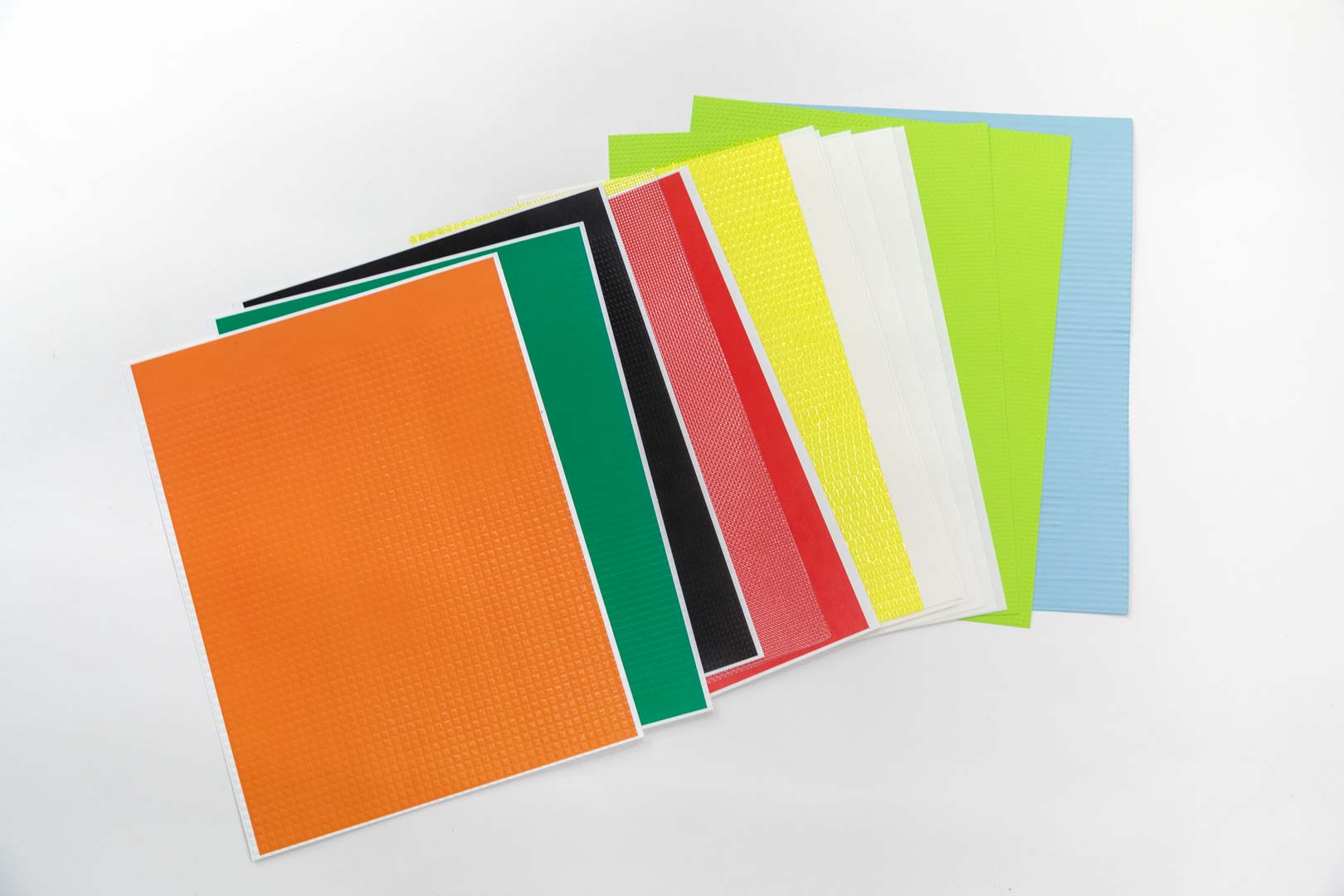
In an age dominated by screens, algorithms, and endless scrolling, it is easy to assume that brand storytelling lives primarily in digital spaces. Companies invest heavily in social media campaigns, video content, podcasts, and online advertising, believing that the customer journey begins and ends on a screen. Yet one of the most powerful storytelling tools remains quietly present in almost every memorable brand experience: paper.
From a luxury retail bag to a beautifully printed catalogue, from a restaurant menu to a handwritten note tucked inside a package, paper communicates far more than information. It conveys values, personality, trust, and emotion. The weight of a business card, the texture of a brochure, the sound of a page turning, and even the scent of fresh ink all contribute to a narrative that customers often absorb subconsciously.
The role of paper in branding is rarely discussed because it operates beneath the surface. It does not shout for attention the way a digital advertisement does. Instead, it creates a physical experience that shapes how people feel about a brand. This hidden influence is precisely what makes paper such a powerful storytelling medium.
Paper as a Physical First Impression
Before a customer reads a single word, paper has already begun telling a story.
Imagine receiving two packages. The first arrives in a thin, flimsy envelope with a generic printed label. The second arrives in a sturdy box wrapped in textured paper, with carefully chosen typography and a small card inside. Even before opening the product, most people will form assumptions about the company behind it.
Paper communicates qualities such as:
-
Quality — Thick stock suggests durability and attention to detail.
-
Authenticity — Natural or recycled papers can signal environmental responsibility.
-
Luxury — Soft-touch coatings, embossing, or textured finishes create a premium feel.
-
Warmth — Uncoated papers often feel more human and approachable than glossy surfaces.
-
Creativity — Unusual folds, die-cuts, or paper combinations suggest innovation.
These messages are communicated instantly, often before the customer consciously notices them. Paper functions as a silent ambassador for the brand.
Why Touch Changes the Story
Digital storytelling relies heavily on sight and sound. Paper adds a third dimension: touch.
Research in consumer psychology consistently shows that tactile experiences influence perception and memory. When people hold a printed piece, they interact with it physically. They turn pages, feel textures, and control the pace of engagement. This creates a sense of ownership and attention that is difficult to replicate on a screen.
A luxury fashion house understands this well. Its lookbook is rarely printed on ordinary office paper. The paper may be thick, slightly textured, and carefully selected to match the brand’s visual identity. The customer does not simply see the brand; they hold it.
This tactile connection can make a story feel more credible and more personal. A printed invitation often feels more important than a digital one because it occupies physical space in the recipient’s life. It can be placed on a desk, pinned to a board, or kept as a souvenir. In other words, paper extends the lifespan of the story.
The Psychology of Permanence
One reason printed materials remain powerful is that they feel permanent.
Digital content is often experienced as temporary. A social media post disappears into a feed within hours. An email can be deleted with a single click. A printed piece, however, remains visible. It sits on a table, a shelf, or a counter. It can be revisited repeatedly.
This permanence has a psychological effect. Brands that invest in high-quality printed materials often appear more established and trustworthy. A well-produced annual report, catalogue, or presentation folder suggests that the company expects to be around for the long term.
For organizations seeking credibility—universities, cultural institutions, financial firms, hospitality brands, or premium retailers—paper becomes a signal of stability. The message is subtle but powerful: we believe our story is worth preserving.
Paper and the Art of Slowing Down
Modern marketing competes for attention in environments designed for speed. People swipe, skip, and scroll within seconds. Printed materials create a different rhythm.
A catalogue encourages browsing. A magazine invites reading. A restaurant menu asks the customer to pause and consider choices. This slower pace gives storytelling room to breathe.
Consider a boutique hotel. Its website may provide booking information efficiently, but a beautifully printed room guide can tell a richer story about local culture, architecture, food, and history. Guests often spend more uninterrupted time with that printed piece than they do with the hotel’s digital content.
Paper creates moments of focused attention, and focused attention is one of the rarest resources in contemporary marketing.
Sustainability as Part of the Narrative
For many years, brands worried that using paper would automatically appear environmentally irresponsible. Today the conversation is more nuanced.
Customers increasingly understand the difference between disposable print and thoughtfully produced materials. Certified papers, recycled content, vegetable-based inks, and responsible sourcing can become meaningful parts of a brand’s story.
In fact, the paper itself can communicate sustainability. A recycled sheet with visible fibers feels different from a heavily coated glossy stock. That tactile difference can reinforce a company’s environmental values more effectively than a slogan.
However, authenticity matters. A brand cannot simply claim sustainability while producing excessive, unnecessary print. The most successful organizations align their material choices with genuine environmental practices. When they do, paper becomes evidence of values rather than a contradiction.
Packaging: The Story Before the Product
Few areas demonstrate the hidden power of paper better than packaging.
For many customers, the first physical interaction with a brand occurs when a package arrives. The unboxing experience has become a form of storytelling in itself.
Every paper element contributes to the narrative:
-
The outer box creates anticipation.
-
Tissue paper adds ceremony.
-
A printed card introduces the brand voice.
-
Stickers, labels, and tags reinforce visual identity.
-
A handwritten note creates personal connection.
These components may seem small individually, but together they create an emotional sequence. The customer experiences care, attention, and intention before even using the product.
Many successful direct-to-consumer brands built loyalty not only through what they sold, but through how their paper packaging made customers feel. The physical story became part of the product itself.
The Return of Print in a Digital World
Interestingly, some of the most digitally sophisticated brands have rediscovered the value of print. Technology companies publish beautifully designed magazines. E-commerce brands send printed catalogues. Subscription services include printed inserts in their deliveries.
Why? Because paper cuts through digital noise.
When inboxes are crowded and online advertisements are ignored, a thoughtfully designed printed piece can feel unexpectedly personal. It arrives without competing tabs, notifications, or pop-up windows. It occupies the customer’s full field of attention for a moment.
This does not mean print replaces digital communication. The strongest brand storytelling often combines both. A printed catalogue may lead readers to a website. Packaging may encourage social sharing. A business card may connect to a digital portfolio through a QR code. The physical and digital stories work together rather than competing.
Designing Paper That Tells a Story
Effective brand storytelling through paper requires more than attractive graphics. Every material decision should support the narrative.
Ask these questions:
-
What should the customer feel first? Luxury, trust, excitement, calm, or creativity?
-
Does the paper texture support that feeling? A rough recycled sheet tells a different story than a smooth coated stock.
-
How long should the piece be kept? Temporary promotions and collectible catalogues deserve different materials.
-
Is the format memorable? Folds, sizes, and finishes can become part of the brand identity.
-
Does the paper choice align with company values? Sustainability claims should be visible in the material itself.
The most memorable printed pieces feel inevitable, as though no other paper choice would have made sense for that brand.
A Competitive Advantage Hidden in Plain Sight
Because so many organizations focus almost exclusively on digital channels, paper can become a surprising competitive advantage. A carefully produced brochure, invitation, or package often stands out precisely because it is uncommon.
Customers remember experiences that engage multiple senses. They remember the texture of a menu in a favorite restaurant, the weight of a wedding invitation, the elegant box that held a special purchase, or the catalogue they kept on a coffee table for months. These memories are not created by pixels alone.
Paper transforms branding from something people merely see into something they touch, keep, and remember.
Conclusion
The hidden role of paper in brand storytelling is not about nostalgia. It is about human psychology. People respond to physical objects differently than they respond to digital images. Texture, weight, permanence, and touch create emotional signals that screens cannot fully reproduce.
Every sheet of paper a brand produces—whether a business card, menu, catalogue, package insert, or annual report—tells a story before a single sentence is read. It communicates quality, values, confidence, and care through material choices alone.
In a world where attention is fragmented and digital messages disappear in seconds, paper offers something increasingly rare: a tangible experience that slows people down and makes a brand feel real.
The companies that understand this hidden power do not treat paper as a leftover production detail. They treat it as a storytelling medium in its own right—one capable of carrying emotion, building trust, and turning an ordinary interaction into a memorable brand experience.
Long after a social post has vanished from a feed, a beautifully crafted printed piece may still be sitting on someone’s desk, shelf, or coffee table, quietly continuing the story.