


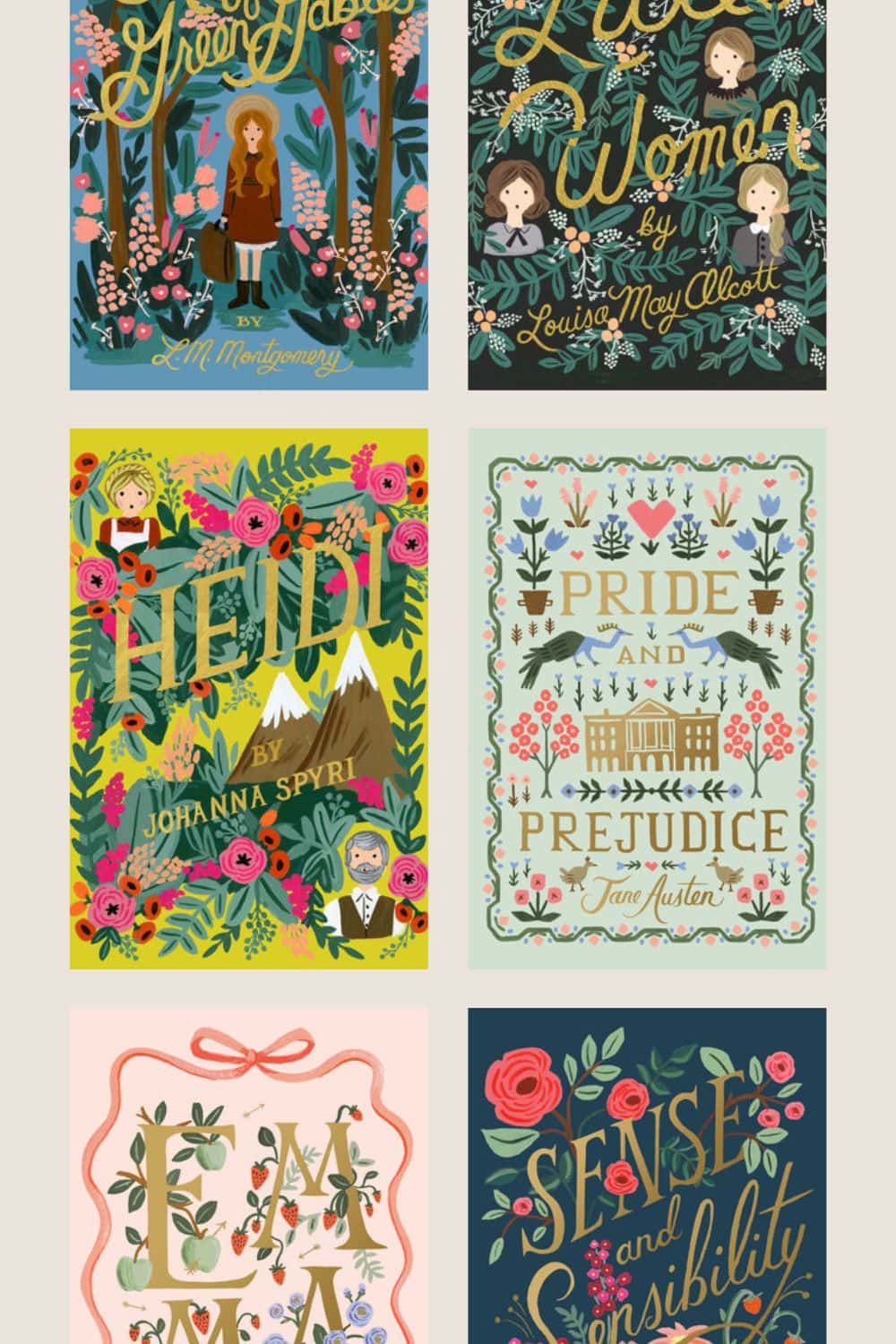
For more than two decades, experts have predicted that digital technology would eventually replace printed books. The rise of e-books, audiobooks, tablets, and smartphones seemed to signal the beginning of the end for physical publishing. Yet reality has unfolded very differently. While digital reading has undoubtedly transformed the publishing landscape, beautifully designed printed books continue to thrive. In many categories—art books, collector’s editions, children’s literature, cookbooks, photography collections, and luxury publications—printed books remain not only relevant but highly desirable.
This phenomenon raises an interesting question: why do people continue buying physical books when nearly every title can be downloaded instantly? The answer extends far beyond practicality. Beautiful books offer an experience that digital formats simply cannot replicate. They combine storytelling with craftsmanship, turning reading into something tactile, emotional, and deeply personal.
The Book as an Object, Not Just Content
When people purchase an e-book, they are buying access to information or a story. When they purchase a beautifully printed book, they are acquiring an object that has value beyond its text.
The weight of the paper, the texture of the cover, the quality of the binding, the typography, the illustrations, and even the scent of fresh ink all contribute to an experience that engages multiple senses simultaneously.
Reading becomes slower, more intentional, and more immersive.
Unlike digital files, physical books occupy real space. They become part of our homes, our offices, and our personal identity. A carefully curated bookshelf tells visitors something about who we are, what interests us, and what inspires us.
In many ways, beautiful books function as both literature and design.
Print Creates Emotional Attachment
Psychologists have long understood that physical objects often create stronger emotional connections than digital ones. Holding a book in your hands creates memories associated with specific places, moments, and experiences.
Many readers remember:
- where they bought a favorite book,
- who gave it to them,
- what stage of life they were in when they first read it,
- the notes written inside,
- the pages they folded,
- and even the coffee stains that became part of its history.
A digital file rarely carries the same emotional weight.
Beautiful books amplify these feelings because every design decision contributes to the emotional experience. A cloth-bound cover, embossed title, foil stamping, or premium paper instantly communicates care and permanence.
Readers often describe these books as “special” before they even begin reading.
The Rise of Book Collecting
Collecting books is far from a new hobby, but recent years have seen remarkable growth in special editions and luxury publishing.
Publishers increasingly release:
- Deluxe editions
- Anniversary editions
- Signed copies
- Numbered collector’s editions
- Limited print runs
- Boxed sets
- Illustrated classics
- Exclusive retailer editions
Readers are willing to pay significantly more for books that feel unique.
This trend mirrors what has happened with vinyl records. Streaming music offers unlimited convenience, yet vinyl sales continue growing because collectors value the physical object, artwork, and ritual.
Books have followed a remarkably similar path.
For many readers, purchasing a beautiful edition is not simply buying content—it is investing in something that can be displayed, treasured, and revisited for years.
Social Media Has Increased Demand for Beautiful Books
Ironically, digital platforms have helped physical books become even more desirable.
Communities on Instagram, TikTok, Pinterest, and YouTube regularly showcase stunning home libraries, special editions, and artistic bookshelves. The “BookTok” phenomenon has transformed reading into a visual lifestyle as much as a literary activity.
Publishers now recognize that books must compete not only on content but also on appearance.
A striking cover can generate thousands of social media posts.
Beautiful sprayed edges, illustrated endpapers, foil details, and premium packaging encourage readers to photograph their purchases and share them online.
Every shared image becomes free marketing.
In this way, excellent print design actually benefits from the digital world rather than competing against it.
Beautiful Books Make Better Gifts
Digital books are convenient to purchase but often lack the emotional impact of a physical gift.
Giving someone a beautifully produced book communicates thoughtfulness and effort.
The recipient can:
- unwrap it,
- admire the cover,
- flip through its pages,
- display it at home,
- and remember the occasion every time they see it.
Gift books occupy a unique space in publishing because their value comes from both their content and presentation.
This is why publishers invest heavily in holiday editions, premium packaging, and collectible releases.
A beautifully printed cookbook, photography book, travel guide, or illustrated novel often becomes a keepsake rather than simply something to read.
Design Influences Purchasing Decisions
Readers frequently judge books by their covers—despite the familiar saying advising otherwise.
Professional cover design plays a critical role in attracting attention both in bookstores and online.
A well-designed book communicates:
- professionalism,
- quality,
- genre,
- target audience,
- and emotional tone.
Interior design matters just as much.
Typography, page layout, margins, illustrations, chapter openings, and paper selection all influence readability and enjoyment.
When every design element works together, reading feels effortless.
This explains why independent publishers that invest in outstanding book production often develop loyal audiences despite competing against much larger companies.
Children’s Books Depend on Print
Perhaps no publishing category demonstrates the enduring value of physical books better than children’s literature.
Young readers learn through touch as much as through words.
Board books, pop-up books, lift-the-flap books, textured pages, and interactive illustrations encourage curiosity in ways that screens cannot fully replace.
Parents also value shared reading experiences.
Reading together before bedtime becomes a family ritual involving conversation, pointing at illustrations, and turning pages together.
Beautiful children’s books often become family heirlooms passed from one generation to another.
Art, Photography, and Design Require Print
Certain books simply cannot achieve the same impact digitally.
Photography books rely on color accuracy, paper quality, and image size.
Architecture books benefit from large-format printing.
Fashion books showcase textures and materials.
Art books reproduce paintings with extraordinary detail.
Luxury printing techniques—including varnishes, specialty papers, metallic inks, embossing, and high-resolution image reproduction—allow publishers to create experiences impossible to replicate on standard digital screens.
For these genres, print remains the definitive medium.
Books Offer a Digital Escape
Today’s average person spends hours every day looking at screens.
Work happens on laptops.
Communication happens on smartphones.
Entertainment streams through televisions and tablets.
Many readers intentionally choose printed books because they offer relief from constant notifications and digital distractions.
Reading a physical book encourages concentration.
There are no incoming messages, advertisements, hyperlinks, or battery warnings interrupting the experience.
The physical act of turning pages creates a slower rhythm that many readers find calming.
As concerns about digital fatigue continue growing, printed books increasingly represent mindfulness rather than nostalgia.
Beautiful Books Strengthen Brand Identity
For publishers, every printed book represents their reputation.
Consistently producing high-quality books builds trust among readers.
When customers know that a publisher consistently delivers exceptional design, durable binding, and thoughtful production, they become more likely to purchase future releases—even from unfamiliar authors.
Many successful independent publishers have built entire brands around craftsmanship.
Readers recognize their distinctive design language, premium materials, and attention to detail.
The physical quality becomes part of the publisher’s identity.
This differentiation is increasingly valuable in an era where digital content is abundant and often disposable.
Sustainability Is Changing Perceptions
Some consumers once assumed that digital reading was automatically more environmentally friendly than printed books.
However, the conversation has become more nuanced.
Responsibly sourced paper, certified forests, vegetable-based inks, local printing, and recyclable materials have improved the environmental profile of many printed books.
At the same time, digital reading depends on electronic devices that require mining, manufacturing, electricity, and eventual disposal.
Rather than viewing print and digital as direct environmental opposites, many readers now appreciate sustainably produced books as durable products designed to last for decades.
A single beautifully made book may be read multiple times, shared with friends, donated to libraries, or passed between generations.
Its lifespan often extends far beyond that of many electronic devices.
Independent Bookstores Celebrate Beautiful Publishing
Independent bookstores have increasingly positioned themselves as cultural destinations rather than simple retail spaces.
Carefully curated displays emphasize visually striking books, local publishers, and beautifully designed editions.
Customers browse slowly, discovering titles through covers, textures, and physical presence.
Many bookstores host author events, exhibitions, and book launches where beautifully printed books become centerpieces of the experience.
This physical environment reinforces the unique value of print in ways that online marketplaces cannot fully replicate.
Beauty Adds Perceived Value
People naturally associate excellent craftsmanship with higher quality.
When readers encounter premium paper, elegant typography, sewn binding, and sophisticated cover finishes, they often perceive the book itself as more valuable.
This perception extends beyond aesthetics.
Beautiful production communicates respect—for the author, the reader, and the ideas contained within the pages.
Publishers understand that investing in design can justify premium pricing while increasing customer satisfaction.
In competitive markets, exceptional production quality becomes a meaningful differentiator.
The Future Is Hybrid, Not Either-Or
The publishing industry has learned an important lesson over the past decade: digital formats and printed books are not enemies.
Instead, they serve different purposes.
Readers often consume multiple formats depending on context.
An audiobook may accompany a commute.
An e-book may be convenient while traveling.
A beautifully printed hardcover may be reserved for treasured stories, favorite authors, or collectible editions.
Rather than replacing one another, these formats complement each other.
As technology continues advancing, the value of thoughtfully designed physical books may become even greater. In a world saturated with digital information, tangible objects that engage the senses stand out precisely because they offer something different.
Conclusion
Beautiful books continue to sell in the digital age because they provide far more than words on a page. They offer craftsmanship, permanence, emotional connection, and aesthetic pleasure. They become treasured possessions, meaningful gifts, decorative objects, and lasting memories.
While digital publishing has made reading more accessible than ever before, it has also highlighted the unique strengths of print. The finest books transform reading into a multisensory experience—one that combines exceptional writing with thoughtful design, premium materials, and expert printing.
For publishers, investing in beautiful books is not simply about producing attractive products; it is about creating enduring cultural objects that readers want to own, display, revisit, and share. As long as people continue to value beauty, craftsmanship, and tangible experiences, beautifully made books will remain an essential part of the publishing world—proving that in the digital age, print is not disappearing; it is becoming more meaningful than ever.