


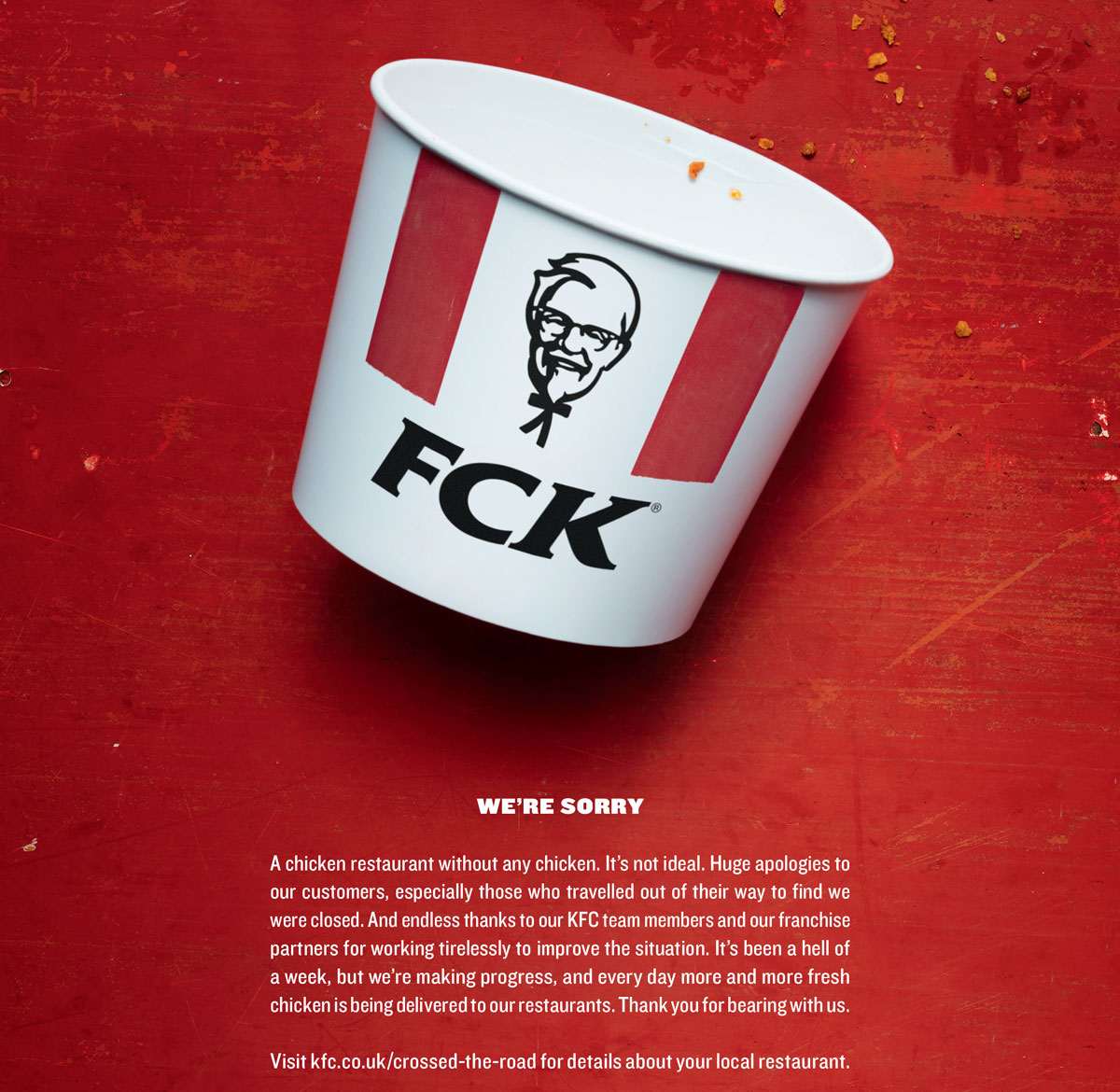
In today’s marketing landscape, businesses often prioritize digital advertising. Social media, email campaigns, search engine marketing, and online display ads dominate marketing budgets because they promise instant reach, measurable results, and relatively low entry costs. However, despite the rapid growth of digital marketing, print continues to outperform online channels in many situations. In fact, some campaigns simply achieve better engagement, stronger trust, and higher conversion rates when they are delivered through printed materials rather than screens.
This does not mean that print is replacing digital marketing—or vice versa. Instead, successful marketers understand that different channels serve different purposes. Print offers unique psychological, emotional, and practical advantages that digital media often cannot replicate.
Let’s explore why certain campaigns perform significantly better in print and how businesses can leverage these strengths to achieve better marketing results.
The Psychology Behind Physical Media
Humans evolved in a physical world. We naturally interact with objects that we can touch, hold, and manipulate. Printed materials activate multiple senses simultaneously, creating stronger cognitive engagement than digital content viewed on a screen.
Research has consistently shown that people tend to remember information presented on paper better than information viewed digitally. Reading from a physical page reduces distractions and encourages deeper processing. Unlike digital devices, which constantly compete with notifications, emails, advertisements, and social media updates, a printed brochure or catalog demands focused attention.
When someone holds a beautifully designed magazine or product catalog, they are not simply consuming information—they are experiencing a brand.
That sensory experience creates emotional connections that are difficult to reproduce online.
Print Commands Attention
One of the biggest challenges facing digital marketers is the overwhelming amount of content consumers encounter every day.
The average internet user sees thousands of advertisements daily:
- Social media promotions
- Search ads
- Banner advertisements
- Sponsored posts
- Pop-up windows
- Promotional emails
- Influencer collaborations
Consumers have become experts at ignoring digital advertising. This phenomenon, known as “banner blindness,” means many online ads are never consciously noticed.
Printed materials face much less competition.
When a customer receives an attractive catalog, a personalized postcard, or a high-quality brochure, it often becomes the only marketing message in front of them at that moment. Instead of disappearing with a single scroll, print remains visible on a desk, kitchen counter, coffee table, or office shelf.
The result is significantly longer exposure to the marketing message.
Trust Is Easier to Build Through Print
The internet has made publishing incredibly easy. Unfortunately, it has also made misinformation, scams, and low-quality advertising more common.
Consumers have learned to be skeptical.
Printed materials often feel more credible because producing them requires greater investment and effort. High-quality printing signals professionalism, stability, and commitment.
Imagine receiving:
- A professionally printed investment guide
- A luxury real estate brochure
- An annual company report
- A premium product catalog
These materials naturally communicate legitimacy before a single word is read.
For industries where trust is essential—finance, healthcare, education, luxury retail, and real estate—print can significantly strengthen brand perception.
High-Value Purchases Benefit from Print
Not every purchase is impulsive.
When customers are making important buying decisions, they often seek information they can review carefully.
Examples include:
- Buying a home
- Purchasing luxury furniture
- Selecting educational programs
- Planning weddings
- Choosing financial services
- Shopping for high-end fashion
- Purchasing vehicles
Printed catalogs and brochures allow customers to compare options without screen fatigue.
Instead of quickly browsing dozens of browser tabs, readers can sit comfortably, highlight pages, write notes, and return to the material multiple times.
This slower decision-making process often leads to more confident purchases.
Print Creates a Premium Brand Experience
Luxury brands continue investing heavily in print for one simple reason:
Premium printing communicates premium quality.
Paper weight, texture, finishing techniques, typography, embossing, foil stamping, and professional photography all contribute to the perception of value.
Consider luxury brands such as fashion houses, watch manufacturers, or high-end hotels.
Their printed lookbooks rarely resemble ordinary advertising.
Instead, they feel like collectible publications that customers enjoy keeping.
The physical quality of printed materials reinforces the quality of the products themselves.
Direct Mail Still Delivers Strong Results
Many marketers assume direct mail disappeared years ago.
The opposite is often true.
Because fewer companies use direct mail today, consumers receive far less printed marketing than they once did.
An email competes against hundreds of unread messages.
A printed postcard may compete against only a handful of other pieces of mail.
This reduced competition increases visibility.
Even if recipients do not immediately respond, they often keep printed offers for future reference.
Restaurants, local businesses, healthcare providers, insurance companies, and retail stores frequently see strong results from well-designed direct mail campaigns.
Print Encourages Longer Engagement
Digital content encourages speed.
Users scroll.
Swipe.
Click.
Leave.
Average website visits often last only a few minutes—or even seconds.
Printed materials create entirely different behavior.
People spend more time flipping through catalogs.
They examine product photography.
They read detailed descriptions.
They revisit interesting pages.
Longer engagement allows brands to communicate richer stories and more detailed information.
This is especially valuable for businesses selling complex products or services.
Certain Audiences Prefer Print
Although younger generations spend significant time online, not every audience consumes information digitally.
Many customer groups still appreciate printed communication.
These include:
- Senior consumers
- Business executives
- Healthcare professionals
- Collectors
- Luxury buyers
- High-income households
Even younger audiences increasingly value tangible experiences because so much of their daily lives occur on screens.
Receiving something physical often feels refreshing.
Print has become novel again.
Print Has Less Competition
Consider two scenarios.
Scenario One
A customer opens Instagram.
Within five minutes they see:
- Friends’ photos
- Viral videos
- Sponsored advertisements
- Reels
- Influencer promotions
- News
- Comments
- Messages
Your advertisement becomes just one of hundreds competing for attention.
Scenario Two
The same customer receives a beautifully designed product catalog.
There are no pop-ups.
No competing ads.
No notifications.
No autoplay videos.
Your brand owns the customer’s attention.
That exclusivity is one of print’s greatest strengths.
Print Supports Better Recall
Marketing effectiveness depends heavily on memory.
If consumers cannot remember your brand later, even excellent advertising loses value.
Studies consistently suggest that physical media improves recall because readers process printed information differently than digital information.
Holding, turning pages, and physically interacting with materials creates stronger memory associations.
This explains why printed educational materials, magazines, and catalogs often leave lasting impressions.
Better recall means greater likelihood of future purchases.
Local Campaigns Often Perform Better in Print
Digital advertising allows precise geographic targeting, but local printed campaigns can create stronger community presence.
Examples include:
- Restaurant menus
- Event flyers
- Community newsletters
- Local magazines
- Store opening invitations
- Real estate brochures
These materials reinforce visibility within specific neighborhoods.
Customers repeatedly encounter them in everyday environments, creating familiarity that online advertisements sometimes struggle to achieve.
Print Works Well for Events
Event marketing benefits enormously from printed materials.
Tickets, invitations, programs, posters, banners, schedules, badges, and promotional booklets contribute to the overall event experience.
Unlike digital invitations that disappear into inboxes, printed invitations often remain displayed until the event date.
Programs also become keepsakes after the event, extending brand exposure beyond the event itself.
Print Complements Digital Marketing
The strongest campaigns rarely rely on only one marketing channel.
Instead, they integrate print and digital strategically.
For example:
- A catalog includes QR codes linking to online stores.
- A brochure directs readers to a product demonstration video.
- A postcard offers an exclusive online discount.
- Event flyers encourage social media engagement.
- Packaging invites customers to join loyalty programs.
Print captures attention.
Digital continues the conversation.
Together, they create a seamless customer journey.
Print Reduces Digital Fatigue
Consumers spend countless hours every day looking at screens.
Work.
Entertainment.
Shopping.
Communication.
Education.
Eventually, screen fatigue sets in.
Physical materials provide a welcome change.
Reading a printed magazine feels more relaxing than reading another webpage.
Browsing a printed catalog often becomes an enjoyable experience rather than another online task.
Brands that recognize this shift can create memorable customer experiences simply by offering something tangible.
Measuring Print Campaign Success
A common misconception is that print cannot be measured.
Modern technology has changed this.
Businesses can track printed campaigns using:
- Personalized QR codes
- Unique coupon codes
- Dedicated landing pages
- Promotional phone numbers
- NFC technology
- Personalized URLs (PURLs)
These tools allow marketers to attribute conversions directly to printed materials while maintaining the benefits of physical marketing.
When Print Outperforms Online
Although every campaign is different, print often performs better when the objective is to:
- Build long-term brand trust
- Promote premium or luxury products
- Support high-value purchasing decisions
- Reach local communities
- Deliver personalized marketing
- Create memorable customer experiences
- Encourage longer engagement
- Improve information retention
- Differentiate from competitors
- Reduce digital advertising competition
Digital marketing remains essential for speed, automation, and broad audience targeting. However, print excels when brands want to make a lasting impression rather than simply generate another click.
Conclusion
The rise of digital marketing has not made print obsolete—it has made it more valuable in the right contexts. As consumers become increasingly overwhelmed by online advertising, physical marketing materials offer something digital channels often cannot: undivided attention, credibility, permanence, and meaningful engagement.
Print transforms marketing from a fleeting interaction into a tangible experience. Whether it is a beautifully crafted catalog, a personalized direct mail piece, a premium brochure, or thoughtfully designed event materials, print has the power to slow people down, encourage deeper connections, and build trust that lasts.
The most successful marketing strategies today are not built around choosing between print and digital. They recognize the strengths of both. Digital excels at reaching audiences quickly and efficiently, while print creates memorable moments that remain long after a screen has been turned off.
For businesses seeking to stand out in an increasingly crowded digital world, investing in high-quality printed campaigns is not a step backward—it is a strategic advantage that continues to deliver measurable results and lasting brand impact.