


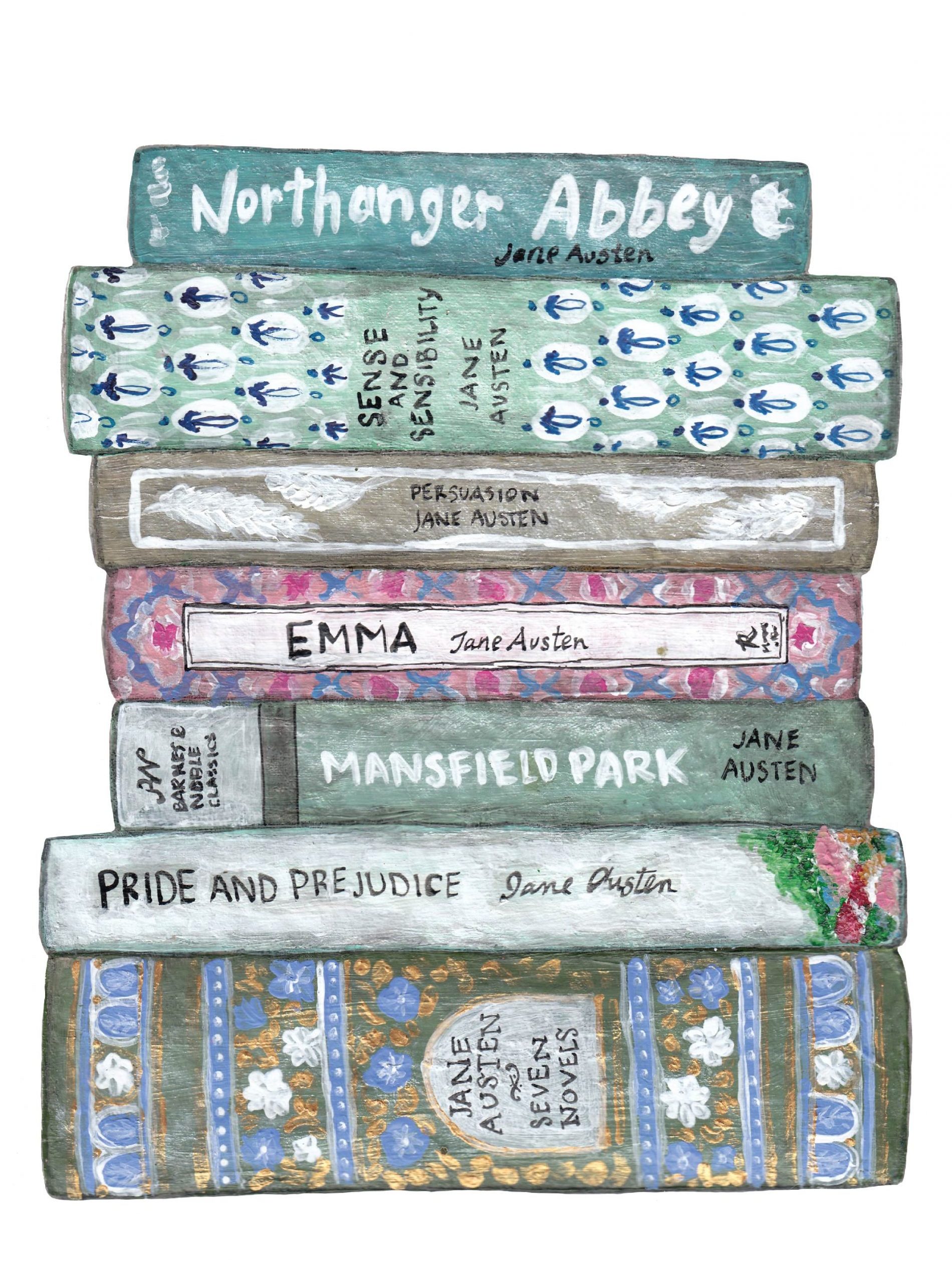
Special editions and collector’s prints have become one of the fastest-growing segments of the publishing industry. At a time when millions of books can be downloaded instantly and digital content is available everywhere, readers are increasingly willing to spend more money on beautifully designed physical editions. Limited releases, signed copies, sprayed edges, premium bindings, exclusive illustrations, and numbered collector’s editions are no longer niche products reserved for rare classics—they have become mainstream publishing strategies embraced by readers of every age.
This trend may seem surprising at first. If digital books are cheaper, more portable, and instantly accessible, why would readers invest in premium printed editions that often cost several times more than a standard paperback?
The answer lies in something much deeper than reading alone. Today’s readers are not simply buying books—they are collecting experiences, expressing their identities, investing in beautiful objects, and creating personal libraries that reflect who they are.
Books Have Become Collectible Objects
For centuries, books were treasured possessions. Before industrial printing, every book required enormous amounts of labor, making ownership a privilege. Although mass printing eventually made books affordable for everyone, the appreciation for beautifully crafted editions never disappeared.
Today, collector’s editions revive that tradition.
Readers appreciate details such as:
- Premium hardcover bindings
- Linen or leather covers
- Foil stamping
- Embossed or debossed designs
- Decorative endpapers
- Ribbon bookmarks
- Custom typography
- Slipcases
- Illustrated interiors
- Gilded or sprayed page edges
- Numbered editions
- Author signatures
These design elements transform a book into something closer to an art object than a disposable product.
Owning such editions provides satisfaction that extends beyond the story itself.
Physical Books Offer Emotional Value
Digital books deliver information efficiently, but physical books engage the senses.
Readers experience:
- The texture of quality paper
- The weight of the book
- The smell of fresh printing
- The sound of turning pages
- The visual appeal of a beautifully designed cover
Special editions amplify every one of these experiences.
Opening a collector’s edition often feels ceremonial. Every detail has been carefully considered—from the packaging to the typography to the binding.
These tactile experiences simply cannot be replicated digitally.
The Rise of Book Collecting Culture
Social media has transformed book collecting into a global hobby.
Communities on platforms like BookTok, Bookstagram, and BookTube regularly showcase:
- Personal libraries
- Limited editions
- Shelf organization
- Book photography
- Collector’s hauls
- Unboxing videos
Beautiful books receive millions of views online.
For many readers, owning a stunning edition is part of participating in this global reading culture.
Publishers have recognized this shift and increasingly design books with visual appeal in mind.
Readers Want Something Exclusive
Scarcity has always increased perceived value.
Limited editions create excitement because they offer something that not everyone can own.
Examples include:
- Numbered print runs
- Limited-time releases
- Exclusive cover artwork
- Retailer-exclusive editions
- Signed copies
- Anniversary editions
- Convention exclusives
Knowing that only a certain number of copies exist makes ownership more meaningful.
This exclusivity creates anticipation before publication and often leads to strong preorder campaigns.
Beautiful Design Becomes Part of the Reading Experience
Readers increasingly expect books to be visually impressive.
Publishers collaborate with talented:
- Illustrators
- Graphic designers
- Lettering artists
- Cover designers
- Typographers
- Bookbinders
The result is a complete artistic experience rather than simply a container for text.
Illustrated fantasy novels, deluxe classics, and collector’s graphic novels often become conversation pieces displayed proudly on bookshelves.
The book itself becomes part of home décor.
Home Libraries Are Making a Comeback
In recent years, people have invested more in their living spaces.
Bookshelves have become central design elements in homes.
A carefully curated collection communicates:
- Personal interests
- Taste
- Education
- Hobbies
- Personality
Collector’s editions elevate the appearance of a personal library.
Rather than hiding books away, readers proudly display them.
Many people purchase premium editions specifically because they look beautiful on a shelf.
Readers Want to Support Their Favorite Authors
Collector’s editions also provide readers with an opportunity to support authors they admire.
Many fans already own digital or standard editions but still purchase premium versions.
This happens because collector’s editions feel like:
- Celebrations of favorite stories
- Personal keepsakes
- Ways to support future creative work
Readers often buy multiple editions of the same title simply because each version offers something unique.
Special Editions Strengthen Publisher Brands
For publishers, premium editions provide far more than higher margins.
They help establish a reputation for quality.
When readers consistently associate a publisher with:
- Excellent printing
- Beautiful design
- High production standards
- Attention to detail
they become more likely to purchase future releases.
Certain publishers have built loyal audiences specifically because collectors trust the craftsmanship of every edition they produce.
Quality becomes a competitive advantage.
Anniversary Editions Create New Life for Older Books
Collector’s editions are not limited to new releases.
Publishers regularly celebrate:
- 10th anniversaries
- 25th anniversaries
- 50th anniversaries
- Author birthdays
- Literary milestones
Classic novels receive:
- New illustrations
- Updated typography
- Historical essays
- Author notes
- Archival photographs
These editions introduce beloved works to entirely new generations while encouraging longtime readers to revisit familiar stories.
Printing Technology Has Expanded Creative Possibilities
Modern printing technologies allow publishers to create extraordinary books at increasingly accessible production costs.
Innovations include:
- UV spot varnishes
- Metallic foils
- Textured coatings
- Digital foil printing
- Edge printing
- High-definition color reproduction
- Precision embossing
- Specialty papers
These technologies enable designs that would have been prohibitively expensive just a few decades ago.
As production quality improves, readers increasingly expect books to look exceptional.
Unboxing Has Become Part of the Experience
The popularity of online unboxing videos has influenced publishing.
Many collector’s editions are designed with packaging in mind.
Publishers now consider:
- Presentation boxes
- Protective sleeves
- Custom wrapping
- Exclusive inserts
- Art prints
- Bookmarks
- Character cards
- Certificates of authenticity
Receiving a collector’s edition feels like opening a luxury product.
The anticipation begins long before the first page is read.
Special Editions Create Stronger Emotional Connections
A collector’s edition often becomes associated with important life moments.
Readers purchase them to commemorate:
- Graduation
- Birthdays
- Holidays
- Weddings
- Career achievements
They also become meaningful gifts.
Unlike many consumer products, books carry lasting emotional significance.
Years later, readers often remember exactly when and why they purchased a particular edition.
This emotional connection increases the perceived value far beyond the purchase price.
Limited Editions Encourage Early Sales
From a business perspective, collector’s editions offer significant advantages.
Exclusive preorder campaigns create urgency.
Readers fear missing out on limited releases, leading to:
- Higher preorder numbers
- Better demand forecasting
- Increased early revenue
- Stronger launch visibility
Publishers benefit from both financial stability and marketing momentum before release day.
Younger Generations Appreciate Premium Print
Contrary to common assumptions, younger readers are among the biggest buyers of collector’s editions.
Generation Z and Millennials have embraced beautifully designed books.
Many young readers grew up with digital technology, making physical books feel more distinctive rather than outdated.
Owning premium editions provides a break from constant screen time.
Books become intentional objects that encourage slower, more focused experiences.
Sustainability Can Increase Long-Term Value
Premium books are often designed to last decades.
High-quality materials encourage readers to:
- Keep books longer
- Re-read them
- Display them
- Pass them on
Rather than disposable products, collector’s editions become heirlooms.
Durable construction supports a more sustainable approach to publishing by encouraging long-term ownership instead of frequent replacement.
Independent Publishers Are Embracing Collector Culture
The growth of special editions is not limited to major publishing houses.
Independent publishers increasingly release:
- Limited print runs
- Handmade editions
- Artist collaborations
- Screen-printed covers
- Letterpress books
- Numbered collections
These editions often appeal to readers seeking craftsmanship and originality rather than mass-market products.
Small publishers can compete successfully by focusing on quality instead of quantity.
Books Compete Through Experience, Not Convenience
Digital reading has largely won the battle for convenience.
Printed books increasingly compete through experience.
Collector’s editions demonstrate that readers value:
- Beauty
- Craftsmanship
- Permanence
- Emotion
- Exclusivity
- Tangibility
Publishers that recognize this shift understand that physical books no longer need to imitate digital products. Instead, they should emphasize everything that digital cannot offer.
The Future of Collector’s Editions
The demand for premium printed books shows little sign of slowing. As printing technologies continue to evolve and readers place greater value on meaningful physical possessions, special editions are likely to become an even more important part of publishing strategies. Future collector’s releases may incorporate innovative materials, interactive design features, augmented reality elements, or personalized customization while still preserving the timeless appeal of a beautifully printed book.
Publishers are also becoming more sophisticated in understanding their audiences. Rather than producing one standard edition for everyone, many now release multiple versions of the same title, allowing readers to choose between affordability and collectibility. This flexible approach broadens the market while creating new opportunities for engagement and revenue.
At the same time, collector communities will continue to shape publishing decisions. Reader feedback, online discussions, and social media trends increasingly influence the design of limited editions, from cover artwork to exclusive bonus content. Publishing has become a more collaborative experience in which readers feel directly involved in the creation of the books they love.
Conclusion
The growing popularity of special editions and collector’s prints reflects a broader cultural shift. In a world where digital content is abundant and often fleeting, people increasingly seek physical objects that offer permanence, beauty, and personal meaning. A collector’s edition is more than a vessel for words—it is a carefully crafted object that celebrates storytelling, design, and craftsmanship.
For readers, these editions provide an emotional connection, a sense of exclusivity, and a way to express their passions. For authors, they strengthen relationships with loyal audiences. For publishers and printers, they create new opportunities to innovate, differentiate their brands, and generate long-term value.
Ultimately, the rise of collector’s editions demonstrates that print is not fading in the digital age—it is evolving. By focusing on exceptional design, premium materials, and memorable experiences, publishers are transforming books into treasured keepsakes that readers are proud to own, display, and pass on to future generations. In doing so, they prove that the future of print lies not only in what a book says, but also in how it feels, how it looks, and the lasting memories it creates.