


In today’s printing landscape, the debate between offset and digital printing is less about which is “better” and more about which is right for a specific job. From publishing houses and packaging manufacturers to small businesses and creative studios, understanding the difference between these two technologies can dramatically impact cost, quality, and efficiency.
At first glance, both methods can produce professional, high-quality results. But beneath the surface, they operate in fundamentally different ways—and those differences shape everything from turnaround time to customization possibilities.
The Core Difference: How Printing Actually Happens
The most important distinction between offset and digital printing lies in the technology used to transfer images onto paper.
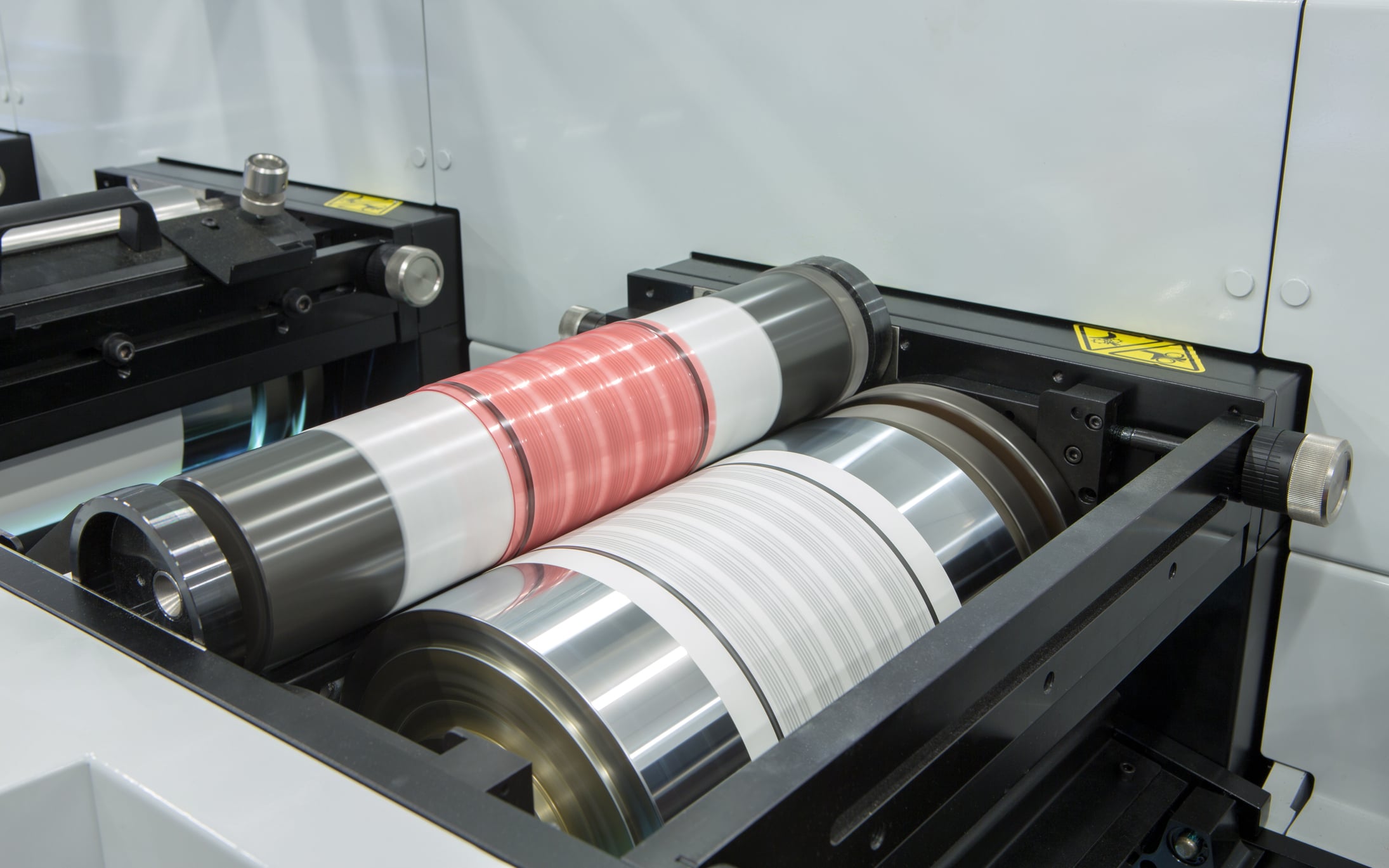
Offset printing uses metal plates. Each color in a design is etched onto a plate, which transfers ink onto a rubber blanket and then onto paper. This indirect process is where the term “offset” comes from.
Digital printing, by contrast, skips the plates entirely. It prints directly from a digital file using toner (like a laser printer) or liquid ink (inkjet systems).
This single difference—plates vs no plates—creates a ripple effect across every other aspect of printing.
Setup and Production: Time vs Efficiency
Offset printing requires significant setup. Plates must be created, aligned, and tested before the actual production begins. This process takes time and generates some initial waste during calibration.
Digital printing, on the other hand, has almost no setup. You can send a file to the printer and start immediately.
What this means in practice:
- Offset = slower to start, faster once running
- Digital = instant start, consistent speed
If you need something printed today, digital wins. If you’re producing thousands of copies, offset quickly becomes more efficient.
Cost Structure: Short Runs vs Long Runs
Cost is often the deciding factor—and this is where the difference becomes crystal clear.
Offset printing has high upfront costs (plates, setup, calibration), but low cost per unit once production is underway.
Digital printing has little to no setup cost, but a higher cost per unit, since each print is produced individually.
The rule of thumb:
- Short runs (1–500 copies): Digital is cheaper
- Large runs (1,000+ copies): Offset becomes more economical
This is why books, magazines, and newspapers are typically printed using offset, while business cards or small-batch marketing materials often use digital.
Print Quality: Is One Better?
There’s a common misconception that offset is always higher quality. The reality is more nuanced.
Offset printing is known for:
- Exceptional color accuracy
- Smooth gradients
- Crisp, consistent results across large volumes
Digital printing has improved dramatically and can now deliver:
- Excellent quality for most applications
- Sharp text and vibrant images
- Near-offset results for many use cases
However, for color-critical projects (like high-end art books or brand-sensitive packaging), offset still has an edge—especially with precise color matching systems like Pantone.
Color and Consistency
Offset printing excels in color consistency across large runs. Once calibrated, every print looks virtually identical.
Digital printing can vary slightly from print to print, especially in long runs.
But digital has a unique advantage: variable data printing.
This means you can:
- Personalize each piece (names, addresses, images)
- Run targeted marketing campaigns
- Print unique versions without slowing production
Offset can do this too—but only with additional complexity or hybrid workflows.
Materials and Flexibility
Offset printing supports a wider range of materials:
- Thick paper stocks
- Textured surfaces
- Specialty finishes and coatings
Digital printing is more محدود by machine specifications. Some materials simply won’t work well with toner or inkjet systems.
However, digital offers flexibility in another sense:
- Easy file changes
- No need to remake plates
- Ideal for iterative design processes
Turnaround Time: Speed Matters
Digital printing is the clear winner when it comes to speed.
Because there’s no setup:
- You can print on demand
- Projects can be completed in hours, not days
Offset printing requires:
- Setup time
- Drying time (in some cases)
- Longer production planning
So if deadlines are tight, digital is often the only realistic option.
Environmental Considerations
Sustainability is increasingly important in printing.
Offset printing:
- Generates more waste during setup
- Uses plates, chemicals, and water
Digital printing:
- Produces less initial waste
- Eliminates the need for plates
However, for large runs, offset can actually become more efficient per unit. So the environmental impact depends on the scale of the project.
Use Cases: When to Choose Each
Choose Offset Printing if:
- You need large quantities (books, catalogs, packaging)
- Color accuracy is critical
- You want premium finishes or specialty inks
- You’re optimizing for cost at scale
Choose Digital Printing if:
- You need small quantities or one-offs
- You want fast turnaround
- You require personalization or variable data
- You’re working with evolving designs
The “Real” Difference: It’s Not Old vs New
It’s tempting to frame offset as “traditional” and digital as “modern,” but that misses the point.
The real difference is this:
Offset printing is optimized for scale and precision.
Digital printing is optimized for flexibility and speed.
Both technologies are highly advanced. Both produce excellent results. And both continue to evolve.
Final Thoughts
Choosing between offset and digital printing isn’t about picking a winner—it’s about understanding your priorities.
If you’re printing 10,000 brochures, offset is almost certainly the smarter choice.
If you’re printing 50 personalized invitations, digital is unbeatable.
In many modern workflows, the two methods even coexist—with offset used for bulk production and digital layered on top for customization.
So the next time you face the decision, don’t ask, “Which is better?”
Ask instead:
- How many copies do I need?
- How fast do I need them?
- Do I need personalization?
- What level of quality and material matters most?
Answer those questions, and the choice between offset and digital printing becomes not just clear—but strategic.