


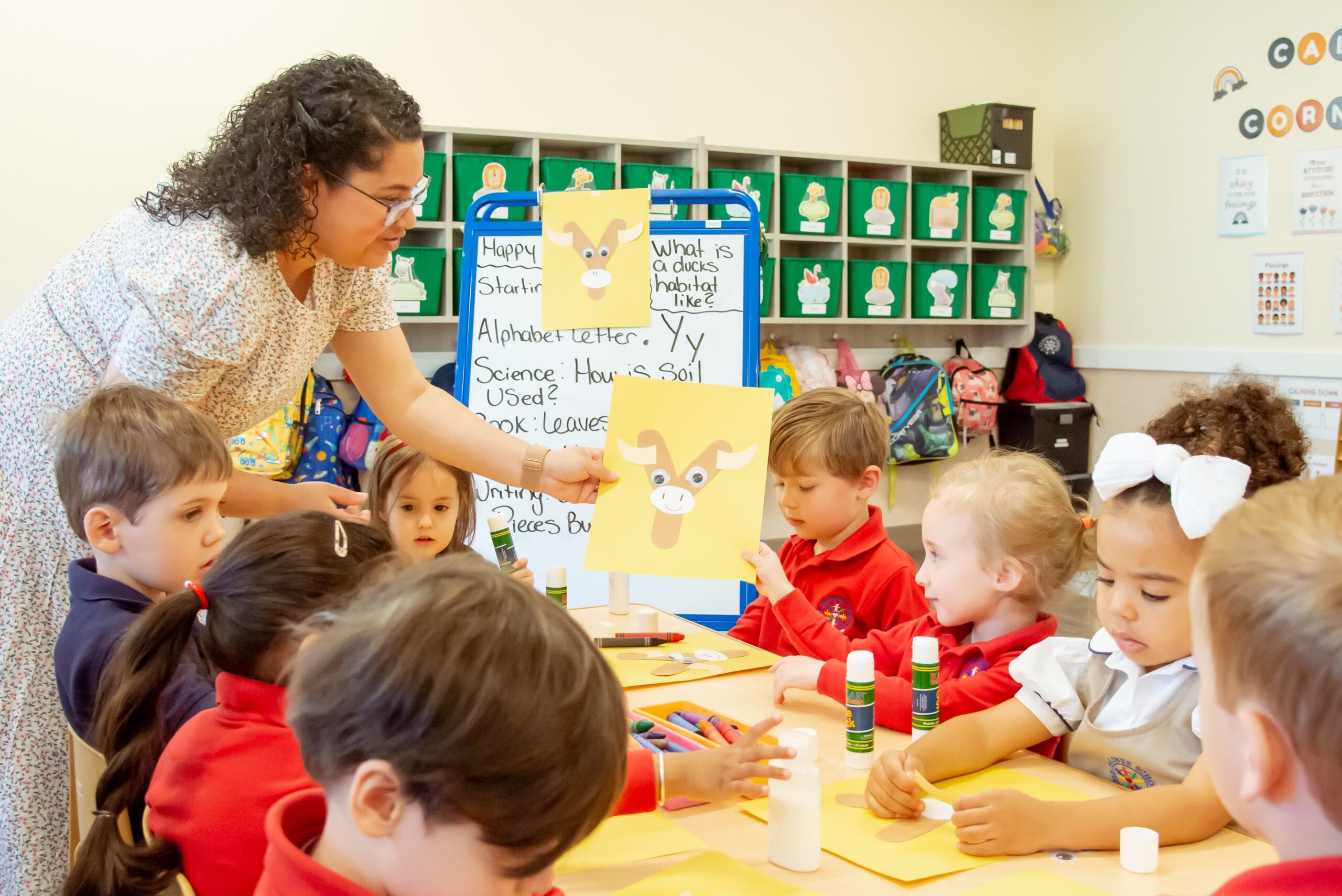
Educational publishing has always played a central role in shaping how knowledge is shared, how students learn, and how teachers organize the educational process. For centuries, printed textbooks, workbooks, and reference materials have been the foundation of classrooms around the world. However, the rapid development of technology, changing learning habits, and new expectations from educators and students are transforming the educational publishing industry at an unprecedented pace.
Today, educational publishing is no longer limited to producing textbooks that are printed, distributed, and updated every few years. It has become a dynamic ecosystem that combines print, digital platforms, interactive content, data-driven learning tools, and personalized educational experiences. While traditional printed materials remain highly valuable, publishers are exploring new ways to make learning more engaging, accessible, and effective.
The evolution of educational publishing reflects a broader transformation in education itself. Learning is becoming more flexible, personalized, and connected, and publishing companies are adapting to meet these new demands.
From Textbooks to Learning Systems
For a long time, educational publishing was built around one main product: the textbook. A textbook contained structured information, explanations, illustrations, exercises, and examples designed according to a curriculum. Teachers relied on textbooks as the primary source of knowledge, while students used them as guides throughout their studies.
Today, the role of educational publishing has expanded. A modern educational publisher does not simply create a book; it creates a complete learning experience. This may include printed textbooks, digital versions, online exercises, educational videos, interactive simulations, teacher resources, assessment tools, and learning management systems.
A mathematics textbook, for example, may now come with a printed workbook where students solve problems by hand, a digital platform where they practice additional exercises, animated explanations of difficult concepts, and tools that help teachers monitor student progress.
This shift means that publishers are becoming educational technology providers as much as traditional book producers. Their mission is not only to deliver information but also to support the entire learning journey.
The Continued Importance of Printed Educational Materials
Although digital education has grown significantly, printed materials remain an essential part of learning. The idea that digital resources will completely replace printed books has proven to be inaccurate. Instead, the future of education appears to be based on a combination of print and digital formats.
Research and classroom experience show that printed materials continue to offer important advantages. Reading from paper often allows students to concentrate better, understand complex information more deeply, and remember content more effectively. Physical books also reduce distractions and provide a tangible learning experience that many students and teachers value.
Workbooks, notebooks, activity books, and printed exercises remain particularly important for younger learners. Writing by hand helps develop motor skills, memory, and cognitive connections. For children learning to read, physical interaction with books plays a significant role in developing language skills and curiosity.
Educational publishers are therefore not abandoning print. Instead, they are improving it. Modern educational books often feature better design, clearer layouts, engaging illustrations, high-quality printing, and interactive elements that make learning more enjoyable.
The future is not print versus digital. It is print and digital working together.
The Rise of Digital Learning Content
At the same time, digital transformation has completely changed what educational publishing can offer. Online platforms allow students to access materials anytime and anywhere, making education more flexible.
Digital educational resources provide several advantages:
- instant updates when information changes;
- interactive exercises and quizzes;
- multimedia explanations;
- accessibility features for different learning needs;
- personalized learning pathways.
A digital textbook can include animations, audio explanations, videos, and interactive activities that would be impossible to include in a traditional book. This creates opportunities for students with different learning styles to engage with information in ways that suit them best.
For publishers, digital platforms also make it easier to collect feedback and improve content. Instead of waiting years for a new edition, publishers can update digital resources more frequently and respond to changes in educational requirements.
Personalization: The Next Stage of Educational Publishing
One of the biggest changes in education today is the movement toward personalized learning. Traditional textbooks were created for an average student, but classrooms include learners with different abilities, interests, and learning speeds.
New educational publishing models aim to address this challenge by creating adaptive learning experiences.
Artificial intelligence and learning analytics are becoming increasingly important in this process. Digital platforms can analyze how students interact with materials, identify areas where they struggle, and recommend additional exercises or explanations.
For example, if a student has difficulty understanding a particular mathematical concept, a digital learning system can provide extra practice, alternative explanations, or visual examples. Meanwhile, advanced students can receive more challenging tasks.
This approach allows education to become more student-centered and helps teachers provide better support.
The Role of Design in Educational Publishing
Educational publishing is also experiencing a transformation in visual communication and design. Modern educational materials are not only sources of information; they are carefully designed learning environments.
Good educational design considers how students interact with content. Typography, colors, illustrations, page structure, and visual hierarchy all influence comprehension and motivation.
Especially for younger students, attractive and thoughtful design can make the difference between a book that feels intimidating and one that encourages exploration.
Illustrations are no longer simply decorative elements. They help explain ideas, simplify complex topics, and create emotional connections with learning materials. Infographics, diagrams, and visual storytelling are becoming increasingly common in educational books.
Publishers are investing more in creative teams that include designers, illustrators, educational specialists, and researchers. The result is a new generation of learning materials that combine educational expertise with strong visual communication.
Open Educational Resources and New Publishing Models
Another important development in educational publishing is the growth of open educational resources (OER). These are freely available teaching and learning materials that can be used, adapted, and shared by educators and students.
Open resources are changing traditional publishing models by encouraging collaboration and accessibility. Teachers can customize materials according to their students’ needs instead of relying only on standardized textbooks.
However, professional educational publishers continue to play a crucial role. Creating high-quality educational content requires expertise, research, editorial processes, design skills, and quality control. Many publishers are now exploring hybrid models where commercial publishing and open resources work together.
Globalization and Localization of Educational Content
Education is becoming increasingly global, and educational publishers are reaching new audiences across borders. Digital platforms make it easier to distribute learning materials internationally.
However, successful educational publishing requires more than simply translating content. Materials must be adapted to local cultures, languages, educational systems, and social contexts.
A science textbook created for one country may need significant changes before being used elsewhere. Examples, images, terminology, and teaching methods must reflect the experiences of local students.
This creates new opportunities for publishers that understand the importance of localization and cultural sensitivity.
Sustainability and the Future of Educational Printing
Environmental considerations are also influencing educational publishing. As awareness of sustainability grows, publishers are exploring more responsible printing practices.
This includes using environmentally friendly paper, reducing waste, improving production efficiency, and creating books that are durable and designed for long-term use.
Educational books are especially important because they are often used by multiple generations of students. A well-produced textbook or workbook can serve classrooms for years, making quality and sustainability essential factors in modern publishing.
Artificial Intelligence and the Future of Learning Materials
Artificial intelligence is expected to have a major impact on educational publishing in the coming years. AI tools can assist publishers with content analysis, translation, personalization, and the creation of learning exercises.
However, the role of human expertise remains essential. Education is not only about delivering information; it is about understanding students, encouraging curiosity, and creating meaningful learning experiences.
The most successful educational publishing models will likely combine technological innovation with human creativity and educational knowledge.
Conclusion: A New Era of Educational Publishing
Educational publishing is entering a new era. The industry is moving beyond the idea of a textbook as a single product and embracing a broader vision of learning ecosystems that combine print, technology, design, and personalization.
Printed books continue to provide valuable learning experiences, while digital tools open new possibilities for interaction and accessibility. Publishers are no longer simply producing educational materials; they are creating environments where knowledge can be explored in multiple ways.
The future of educational publishing will not belong exclusively to print or digital formats. It will belong to those who understand how different tools can work together to support better learning.
As education continues to evolve, educational publishers have an important responsibility: to create materials that inspire curiosity, support teachers, engage students, and make knowledge more accessible for future generations. The industry’s transformation is not only about changing formats—it is about reimagining how people learn.