


Imagine finding a theatre programme tucked inside an old book. It lists a performance, a cast, a venue and a date. Someone has circled an actor’s name. An advertisement on the back promotes a restaurant that no longer exists.
For its original owner, this was probably a souvenir. For a historian, it offers several possible lines of inquiry: cultural life, local businesses, the use of urban space and perhaps a reader’s personal interests.
Printed material becomes historical evidence through this kind of questioning. An object made for one purpose survives long enough to help answer questions its makers never anticipated.
The past was printed for immediate use
Much of the print historians study was created to meet an immediate need. Newspapers reported events. Catalogues sold products. Posters announced meetings. Timetables helped passengers catch trains. Election leaflets tried to win votes.
Their usefulness often had an expiry date. Yesterday’s newspaper could wrap tomorrow’s purchases; a programme might be discarded before its audience reached home.
Yet these objects preserve details that later accounts can overlook. A newspaper advertisement can show how a business addressed customers. A school textbook can reveal what pupils were expected to learn. A public notice can record the rules people were told to follow.
Such sources bring researchers close to the language and assumptions of a particular moment, before anyone knew what would happen next.
A printed statement is a claim to examine
Print can look authoritative. A date, an official seal or a neatly arranged table gives a document the appearance of certainty. That appearance deserves scrutiny.
A newspaper may contain factual errors. A political pamphlet may exaggerate an opponent’s actions. A company brochure may present ambitions as achievements. Even an official report reflects decisions about what to count, explain or omit.
Historians therefore distinguish between what a source states and what it establishes. An advertisement promising a miracle cure provides evidence that someone marketed that promise. It does not establish that the treatment worked.
This distinction makes misleading material useful. Propaganda, for example, can reveal the loyalties its producers sought to encourage and the fears they tried to exploit. Its persuasive purpose becomes part of the evidence.
Who printed it, and for whom?
Reading a historical document involves looking beyond its sentences. Researchers ask who commissioned it, who paid for it, who printed it and who was expected to read it.
Consider a leaflet inviting workers to a meeting. Its wording matters, but so do its language, price, size and distribution. Was it intended for public display or private circulation? Did it assume specialist knowledge? Could its intended audience read it, or might someone have read it aloud?
These questions connect print to social relationships. A luxurious illustrated volume and a cheaply produced handbill could address very different audiences, even when discussing the same subject.
The place where a copy was found also matters. An item preserved in a government file may have reached officials through surveillance, correspondence or routine administration. Its route into the archive can change how researchers interpret it.
The object carries evidence too
Historical print communicates through its physical form as well as its text. Paper, ink, typography, bindings and repairs can help researchers investigate production and use.
A publisher’s imprint may identify where a work was produced. Differences between copies may reveal corrections or revisions. A missing page raises questions about damage, removal or incomplete preservation.
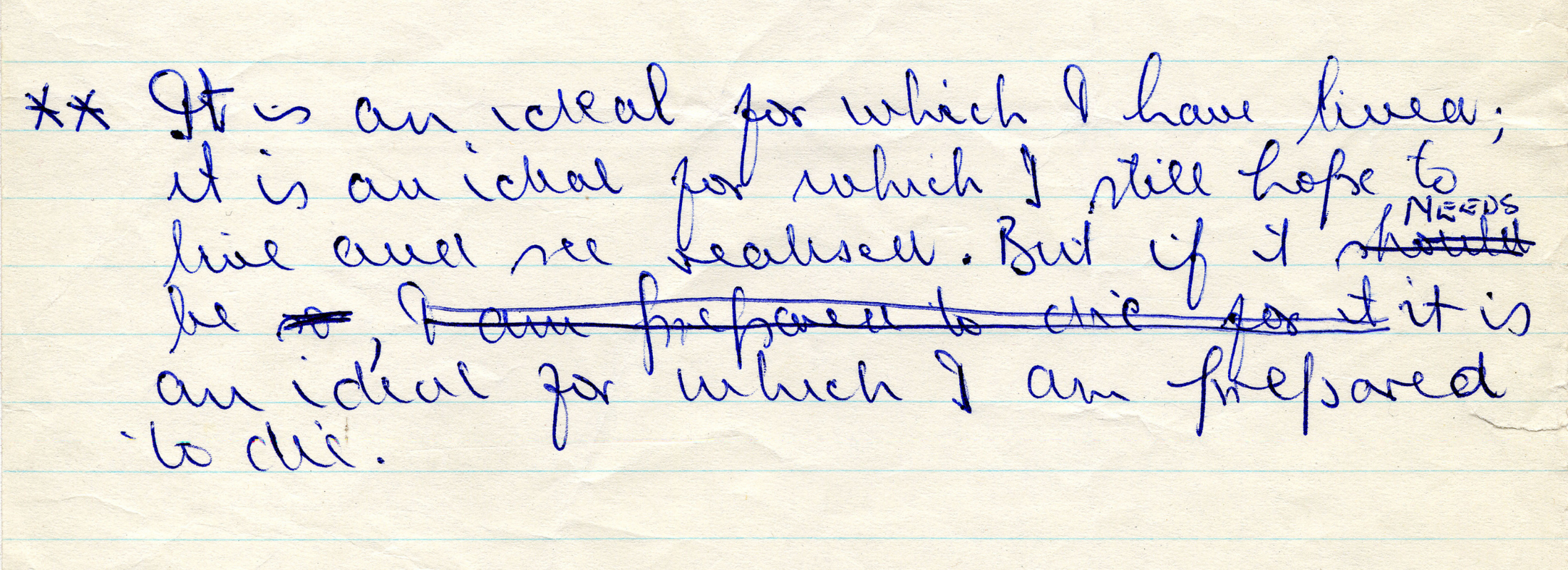
Marks left by readers are especially valuable. Underlining, handwritten comments, ownership inscriptions and calculations can show how a particular copy was handled.
These traces require careful interpretation. A folded corner does not explain itself, and a signature may be difficult to date. Still, the physical object can preserve encounters that the printed words alone cannot describe. Two copies of the same book may contain different histories of reading.
Small print opens up everyday life
Printed sources often help historians investigate lives that received little attention in formal narratives.
Directories record occupations and addresses. Menus show what establishments offered and at what prices. Receipts document particular purchases. Religious booklets, advice manuals and classroom materials reveal expectations surrounding behaviour, belief and education.
Their value grows when researchers connect them. A shop listed in a directory might also appear in an advertisement, a municipal record and a family letter. Together, these sources can help reconstruct its place in a neighbourhood.
But each has limits. A menu records available dishes rather than everything diners ate. An advice book reveals recommended behaviour rather than universal practice. The distance between prescription and experience is itself worth investigating.
Survival shapes the story
The printed record is uneven. Some institutions deliberately preserved their publications; other materials survived by accident. Cheap paper deteriorates, collections are dispersed and documents are destroyed.
Consequently, the contents of an archive cannot be treated as a complete picture of what once existed.
A well-preserved newspaper may make one political viewpoint easy to study while a poorly preserved rival remains difficult to trace. Publications produced by wealthy organisations may leave fuller records than those created by small community groups.
Absence therefore calls for caution. Researchers need to consider whether a missing voice was never printed, was excluded from collecting practices or simply did not survive. Preservation has its own history, and that history influences the questions scholars can answer.
From a fragment to an argument
A compelling discovery becomes stronger evidence when tested against other sources. Historians compare editions, check dates, investigate authorship and look for independent support.
Digitisation makes much of this work easier by allowing researchers to search across collections. Yet searches can miss damaged text, unusual spellings or words misread by recognition software. A transcription can also leave out layout and handwritten marks.
Close reading remains essential. So does the willingness to revise an interpretation when another source complicates it.
That is what gives an ordinary printed object its historical significance. The theatre programme, catalogue or handbill becomes useful through a patient process of asking, comparing and qualifying. Its makers addressed the needs of their own time. Researchers discover how much of that time remains on the page.