


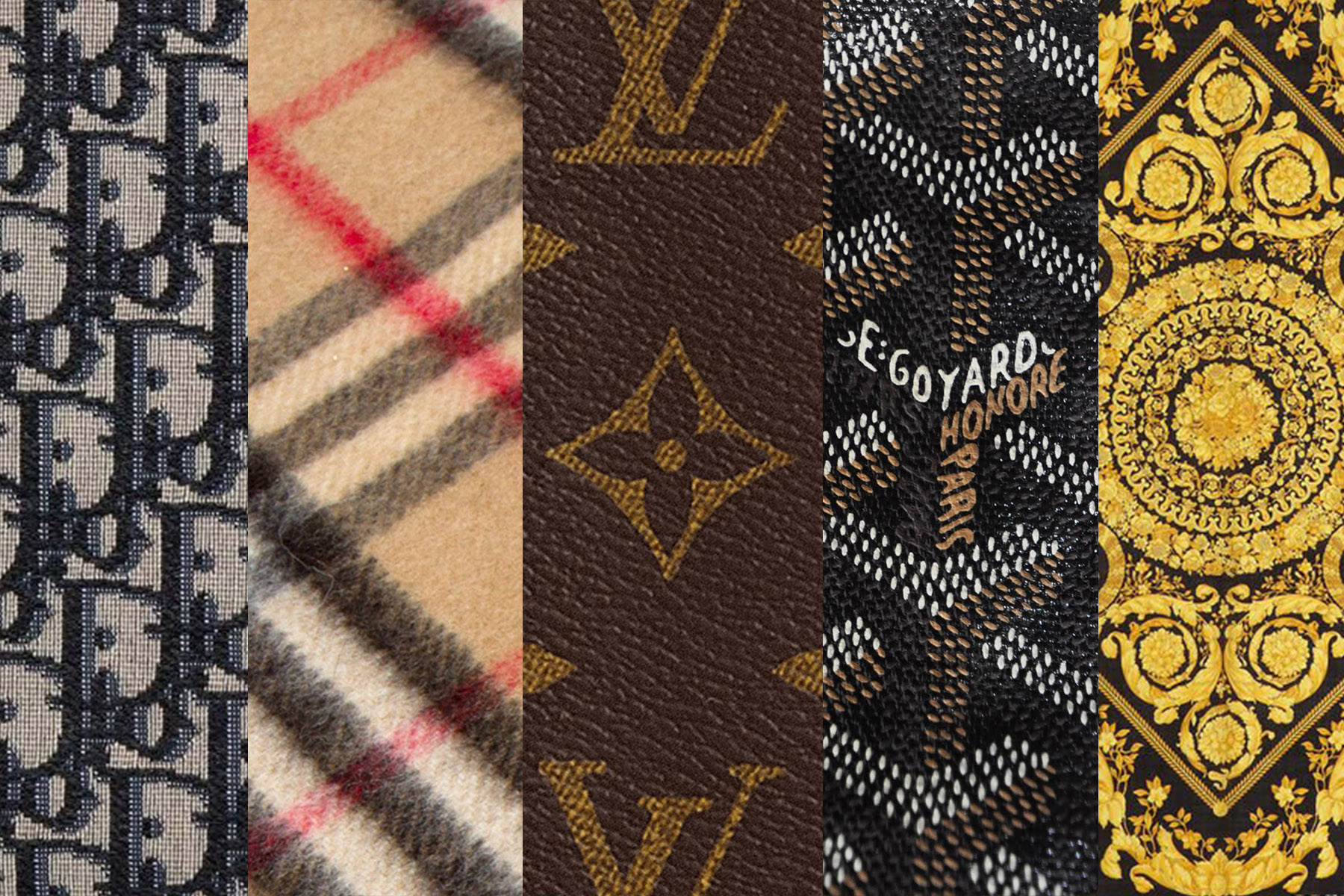
In an age dominated by digital advertising, social media campaigns, influencer partnerships, and AI-powered marketing, it might seem surprising that luxury brands continue to dedicate substantial portions of their marketing budgets to print. While many mainstream brands have shifted almost entirely toward digital channels, luxury houses such as Louis Vuitton, Chanel, Hermès, and Rolex continue to invest heavily in magazines, catalogs, coffee-table books, premium packaging, and high-end printed materials.
This commitment is not driven by nostalgia. It is a strategic decision rooted in psychology, branding, customer experience, and the unique role that print plays in communicating exclusivity. For luxury brands, print is far more than a marketing channel—it is an extension of the product itself.
Luxury Is About Experience, Not Just Information
Most forms of digital marketing are designed to deliver information quickly. Consumers scroll through feeds, click links, watch short videos, and move on within seconds. Luxury brands, however, operate according to a different philosophy.
Luxury products are not purchased solely because of their functionality. A luxury handbag carries items no better than many affordable alternatives. A luxury watch tells time just as accurately as a smartphone. What customers are really buying is craftsmanship, heritage, prestige, emotion, and identity.
Print supports this experience in ways that digital media often cannot.
The feel of thick paper, the texture of a premium finish, the weight of a catalog, and the quality of printing create a sensory experience that mirrors the qualities of luxury products themselves. Every page turn becomes part of the brand journey.
When a customer receives a beautifully printed lookbook or magazine, they are not simply consuming information. They are experiencing the brand in a tangible way.
Print Creates a Sense of Exclusivity
One of the defining characteristics of luxury is scarcity. Luxury brands carefully control distribution, production quantities, and customer access. They avoid appearing overly accessible or mass-market.
Digital content, by its nature, is infinitely available. A social media post can be viewed by millions of people within minutes. While this offers tremendous reach, it can sometimes conflict with the exclusivity that luxury brands seek to maintain.
Printed materials can be distributed selectively. Invitations to private events, limited-edition catalogs, exclusive magazines, and VIP publications can be reserved for specific audiences.
This controlled distribution creates a feeling of privilege.
When a customer receives a beautifully produced printed piece that is unavailable to the general public, it reinforces the perception that they belong to a select group. Luxury brands understand that exclusivity often increases desirability.
Print Enhances Perceived Value
Research in consumer psychology consistently demonstrates that people tend to assign greater value to physical objects than to digital equivalents.
A printed luxury catalog is often kept for months or even years. Some become collector’s items. High-end fashion publications frequently remain on coffee tables long after their initial release.
By contrast, digital advertisements typically disappear within seconds of being viewed.
Print possesses permanence. It occupies physical space. It feels substantial.
This tangibility influences how consumers perceive both the message and the brand behind it. Premium printing techniques such as embossing, foil stamping, specialty coatings, textured papers, and custom binding further elevate this perception.
Luxury brands understand that every interaction with a customer contributes to brand value. A meticulously produced printed piece signals attention to detail, quality, and investment.
Print Provides an Escape from Digital Saturation
Modern consumers are overwhelmed by digital content.
Every day, people encounter thousands of advertisements across websites, social media platforms, streaming services, and mobile applications. Competition for attention has become more intense than ever.
Ironically, the dominance of digital media has increased the value of print.
A luxury magazine or catalog offers a distraction-free environment. There are no pop-ups, notifications, autoplay videos, or competing advertisements appearing every few seconds.
Readers engage with print differently. They slow down. They spend more time with the content. They absorb imagery and storytelling more deeply.
For luxury brands that invest heavily in visual aesthetics, craftsmanship narratives, and heritage storytelling, this focused attention is invaluable.
Print Supports Storytelling and Brand Heritage
Luxury brands often have decades—or even centuries—of history.
For example, Hermès traces its origins to the nineteenth century, while Cartier and Burberry have similarly rich histories.
These brands are not simply selling products. They are selling stories.
Print provides an ideal medium for long-form storytelling. Through high-quality photography, editorial-style content, interviews, and behind-the-scenes features, luxury brands can communicate their heritage in a way that feels sophisticated and immersive.
A printed publication encourages readers to spend time with the story. Unlike digital platforms, which often prioritize speed and brevity, print invites contemplation.
Luxury consumers frequently appreciate this slower, more intentional form of engagement.
Premium Packaging Is a Form of Print Marketing
When discussing print, many marketers focus on magazines and advertisements. However, some of the most important printed materials in luxury branding are packaging elements.
Luxury brands invest enormous resources into boxes, shopping bags, product inserts, certificates, tissue paper, labels, and printed collateral.
The unboxing experience has become a crucial part of luxury consumption.
A customer purchasing a luxury watch, fragrance, or fashion accessory expects packaging that reflects the value of the product. The quality of the printed materials contributes significantly to this perception.
Premium paper stocks, sophisticated typography, special finishes, and elegant printing techniques communicate luxury before the product is even revealed.
In many cases, customers keep luxury packaging long after the purchase, extending brand visibility and emotional connection.
Print Builds Trust and Credibility
Digital media offers speed and scale, but it can also create skepticism.
Consumers know that online advertisements can be launched instantly and changed at any moment. Social media content often feels temporary and disposable.
Printed materials require commitment. They involve design, production, and distribution costs.
As a result, consumers frequently perceive printed content as more credible and trustworthy.
For luxury brands, trust is essential. Customers spending thousands of dollars on a handbag, watch, piece of jewelry, or bespoke service expect authenticity and reliability.
A carefully produced print campaign reinforces these qualities.
High-End Publications Align with Luxury Audiences
Luxury consumers remain active readers of premium publications.
Magazines focused on fashion, design, travel, architecture, business, and culture continue to attract affluent audiences. Publications such as Condé Nast titles and other premium lifestyle magazines provide luxury brands with access to highly targeted demographics.
Unlike mass-market advertising channels, these publications often reach consumers with significant purchasing power and strong interest in luxury products.
The context also matters.
A luxury watch advertisement placed within a beautifully designed magazine about travel, design, or culture benefits from the publication’s credibility and aesthetic environment.
The advertisement feels less intrusive and more integrated into the reader’s experience.
Print Creates Emotional Connection
Luxury purchasing decisions are rarely based on rational calculations alone.
Emotion plays a central role.
People buy luxury products because they aspire to a certain lifestyle, identity, or feeling. Successful luxury marketing therefore focuses on emotion rather than features.
Print excels at creating emotional engagement.
The physical act of holding a beautifully produced publication, feeling the paper, examining detailed photography, and engaging with carefully crafted narratives creates a multisensory experience that digital media struggles to replicate.
This emotional impact helps strengthen brand loyalty and customer attachment.
The Future of Print in Luxury Marketing
As digital technology continues to evolve, print’s role in luxury marketing is unlikely to disappear. Instead, it will become even more specialized and intentional.
Luxury brands are increasingly using print as a premium touchpoint rather than a mass communication tool. Limited-edition books, exclusive catalogs, personalized direct mail campaigns, collector publications, and extraordinary packaging experiences are becoming more important.
The goal is not to compete with digital media but to complement it.
Digital channels provide reach, speed, and data-driven targeting. Print provides depth, prestige, permanence, and emotional resonance.
Together, they create a more complete luxury brand experience.
Conclusion
The continued investment of luxury brands in print is not an outdated tradition—it is a sophisticated business strategy. Print aligns perfectly with the values that define luxury: exclusivity, craftsmanship, quality, heritage, and emotional connection.
While digital marketing dominates modern advertising, luxury brands understand that some experiences cannot be replicated on a screen. The tactile nature of print, its ability to communicate value, and its power to create meaningful engagement make it uniquely suited to the luxury sector.
In a world increasingly filled with fleeting digital interactions, print offers something rare: permanence, presence, and a sense of occasion. For luxury brands whose success depends on creating desire and elevating perception, those qualities remain as valuable as ever.