


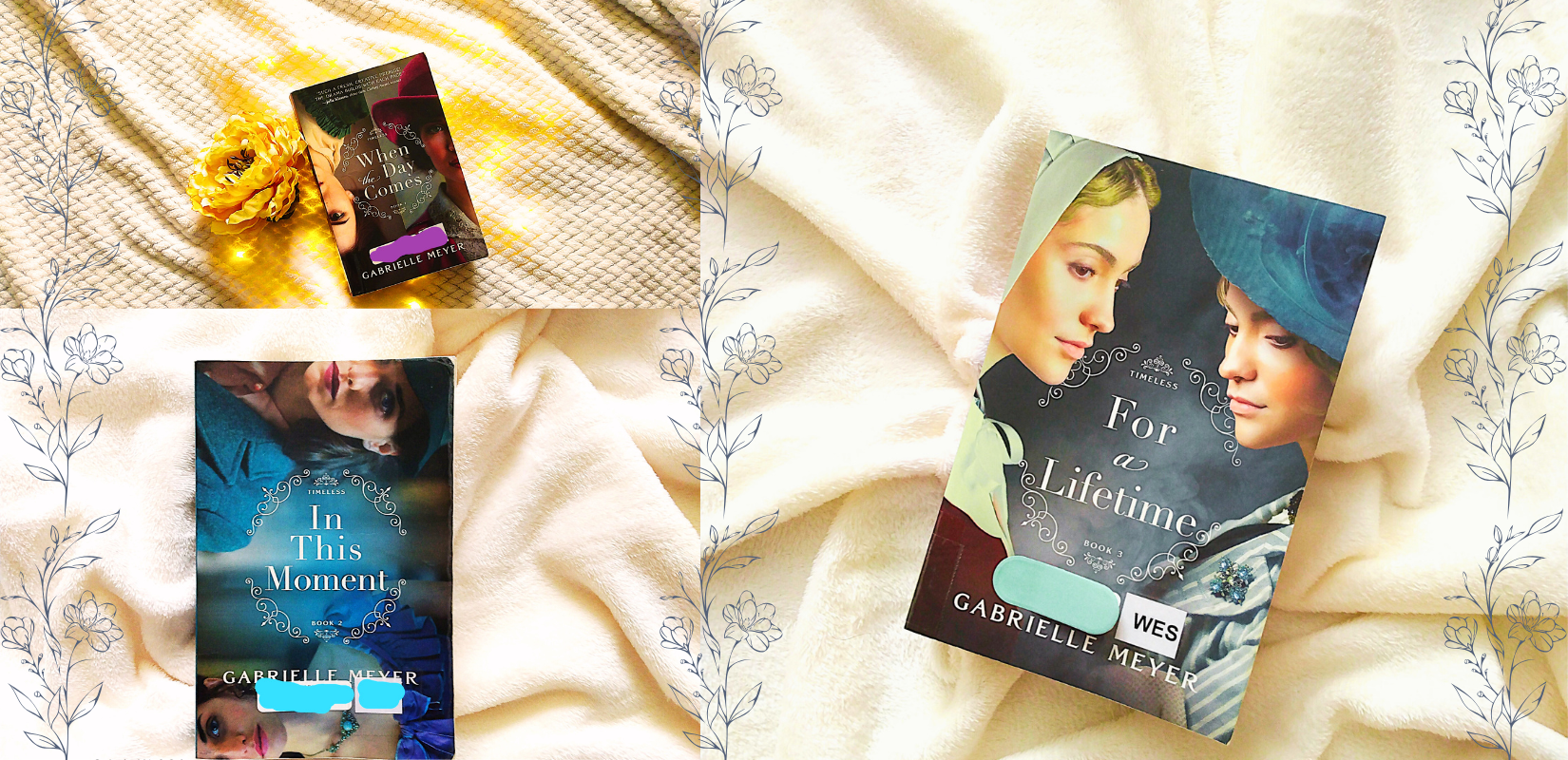
There is a particular kind of reading experience that many people recognize but often struggle to explain: the book that begins with a whisper and ends with a roar. At first, it feels distant, even tedious—pages pass without urgency, characters seem opaque, and the narrative resists easy engagement. Yet somewhere along the way, something shifts. The story deepens, the characters take root, and before you know it, the book has become impossible to put down. By the final page, what once felt slow now feels essential. These are the books that linger long after reading, the ones that become unforgettable.
But why do some books start slowly? And more importantly, why do those same books often leave the deepest impact?
The Art of Gradual Immersion
Not all stories are designed to grab attention immediately. Some authors deliberately construct narratives that unfold gradually, inviting readers to step into a fully realized world at a natural pace. This approach mirrors real life: we don’t instantly understand people or environments—we grow into them.
A slow beginning often allows for world-building. Whether it’s a sprawling historical setting, a complex social environment, or a deeply internal psychological landscape, these elements require space to breathe. Rather than overwhelming the reader with exposition or rushing into action, the author carefully lays the foundation. Details accumulate quietly: a gesture, a setting, a line of dialogue that seems trivial at first but gains meaning later.
This kind of storytelling asks for patience. But in return, it offers something rare—a sense of presence. By the time the plot accelerates, the reader is no longer an outsider but a participant, fully embedded in the story.
Character Development Takes Time
Books that begin slowly often prioritize character over plot. Instead of immediate conflict or high-stakes drama, they focus on building nuanced, layered individuals. At first, these characters may feel distant or even uninteresting. But this is often intentional.
Real people are not instantly compelling. Their complexities reveal themselves over time. Similarly, in literature, the most memorable characters are rarely those who declare themselves immediately. They evolve, contradict themselves, reveal hidden motivations, and change in ways that feel authentic.
A slow start allows readers to observe these subtleties. Small interactions, internal monologues, and seemingly mundane moments gradually form a complete portrait. When the story eventually reaches emotional or dramatic peaks, those moments carry far greater weight—because the reader truly knows the characters.
Emotional Investment Builds Gradually
Fast-paced books often aim to excite. Slow-burning books aim to invest. There is a difference.
When a story takes its time, it gives readers the opportunity to form emotional connections organically. Instead of reacting to sudden shocks or twists, readers grow alongside the narrative. They begin to care—quietly at first, almost imperceptibly. And then, when something significant happens, the emotional impact can be profound.
This is why many slow-starting books become unforgettable. They don’t just entertain; they create a lasting emotional imprint. The reader is not simply following a story—they are living within it.
The Power of Atmosphere
Another reason some books begin slowly is their emphasis on atmosphere. These stories are less concerned with what happens and more concerned with how it feels.
Atmosphere is built through language, rhythm, and detail. It requires time to establish. A hurried narrative cannot sustain a rich, immersive mood. Whether it’s a sense of melancholy, tension, nostalgia, or quiet beauty, atmosphere grows gradually, like a piece of music that builds toward a crescendo.
In such books, the “slowness” is not a flaw—it is the method. The pacing allows the reader to absorb the tone, to notice the texture of the writing, to exist within the emotional landscape the author has created.
Complexity Requires Patience
Some stories are structurally or thematically complex. They may involve multiple timelines, intricate relationships, philosophical ideas, or subtle symbolism. These elements cannot be rushed without losing clarity and depth.
A slow beginning gives readers the time to orient themselves. It allows them to understand the rules of the narrative, to recognize patterns, and to engage with the underlying ideas. As the story progresses, these complexities often converge in powerful ways, creating a sense of revelation or cohesion that would not be possible in a more straightforward narrative.
In this sense, the initial difficulty or slowness is part of the experience. It challenges the reader, encouraging active engagement rather than passive consumption.
Trust Between Author and Reader
Reading a slow-starting book requires a degree of trust. The reader must believe that the author knows where the story is going, even if it is not immediately clear.
This trust is not always easy to give. In a world of instant gratification, where attention is constantly pulled in multiple directions, a book that demands patience can feel like a risk. But when that trust is rewarded—when the narrative comes together in a meaningful and satisfying way—the experience is deeply fulfilling.
It creates a different kind of relationship between reader and text. Instead of being guided step by step, the reader collaborates with the author, piecing together meaning and discovering the story gradually.
The Shift: When Everything Clicks
One of the most memorable aspects of slow-starting books is the moment when everything changes. It might not be a single dramatic event, but rather a quiet realization: this is becoming something extraordinary.
The characters suddenly feel real. The stakes become clear. The themes resonate. What once seemed slow now feels deliberate. The earlier chapters, once difficult to get through, reveal their purpose.
This shift is powerful precisely because it is earned. The reader has invested time and attention, and the story rewards that investment by deepening in unexpected ways.
Why We Remember Them
Fast-paced books can be thrilling, but they are not always memorable. Once the excitement fades, there may be little left to hold onto.
Slow-burning books, on the other hand, tend to leave a lasting impression. They engage multiple layers of the reader’s mind and emotions. They are not just stories but experiences—ones that unfold gradually and continue to resonate long after they end.
Part of their memorability lies in the effort they require. When we work harder to understand or connect with something, it often becomes more meaningful. The process of reading becomes intertwined with the content itself.
Rethinking “Slow”
It’s worth reconsidering what we mean when we describe a book as “slow.” Often, this label reflects our expectations rather than the book’s actual quality.
A story that prioritizes depth over speed is not necessarily lacking—it is simply operating on a different rhythm. Like a long conversation, a piece of music, or a journey, its value lies in the experience, not just the destination.
Learning to appreciate this rhythm can open up new dimensions of reading. It allows us to engage with literature in a more reflective, immersive way.
Final Thoughts
Books that start slowly but become unforgettable remind us that not all stories are meant to be consumed quickly. Some are meant to be lived in, to be understood gradually, to reveal their beauty over time.
They challenge our patience, but they also reward it. They ask us to slow down, to pay attention, to trust the process. And in doing so, they offer something rare: a reading experience that feels not just engaging, but transformative.
So the next time you find yourself struggling through the opening chapters of a book, it might be worth holding on a little longer. You may be at the beginning of a story that will stay with you for years to come.