


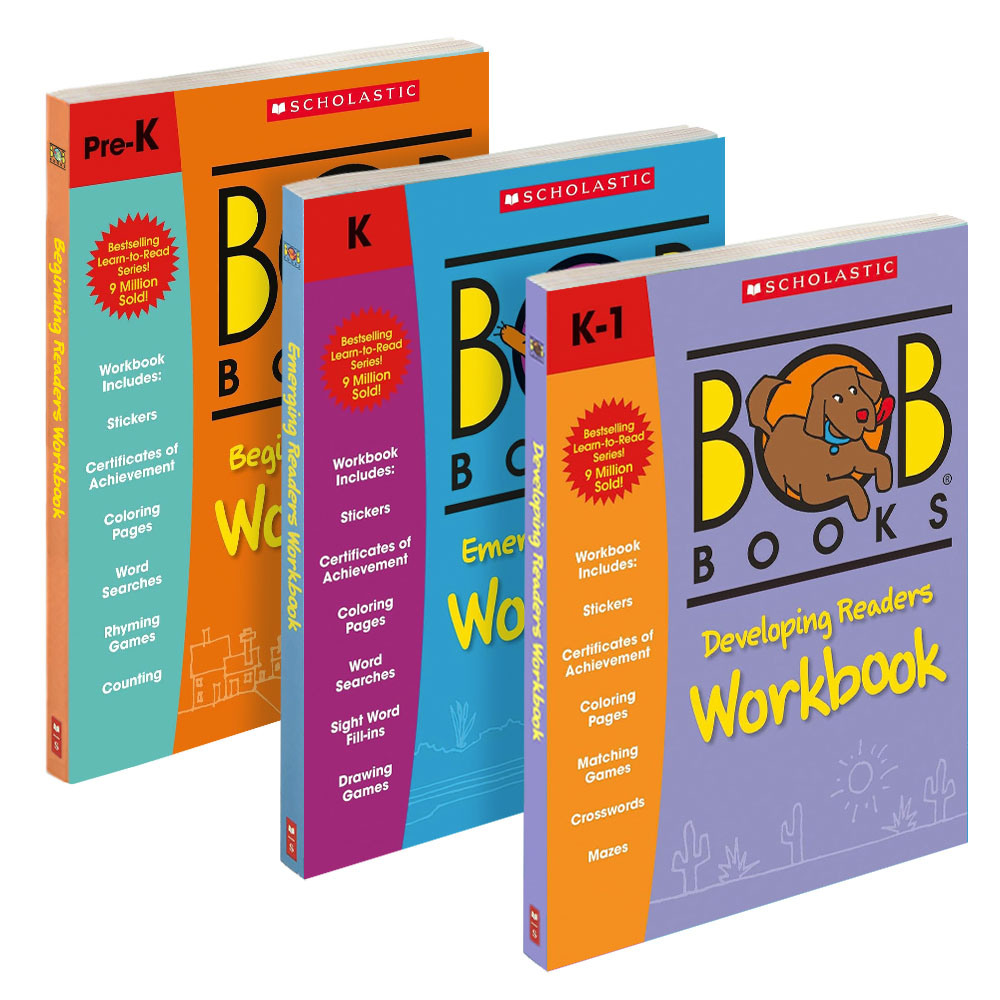
In an age when classrooms are increasingly shaped by digital platforms, artificial intelligence, interactive applications, and online learning environments, it may seem surprising that one of the oldest educational tools — the workbook — continues to hold a strong place in education. From primary schools to professional training programs, printed workbooks remain widely used because they offer something that many digital tools struggle to replicate: a focused, structured, and active learning experience.
A workbook is much more than a collection of exercises. It is a carefully designed learning companion that guides students through concepts, encourages practice, supports independent thinking, and creates a physical connection between learners and knowledge. While technology has transformed education, workbooks continue to prove that effective learning is not only about access to information but also about engagement, repetition, reflection, and participation.
Learning Through Active Participation
One of the main reasons workbooks remain effective is that they encourage active learning. Reading or watching educational content often involves passive consumption, where students receive information without necessarily interacting with it. Workbooks, on the other hand, require learners to write, solve problems, complete activities, draw connections, and apply what they have learned.
The physical act of writing answers, completing exercises, or highlighting important concepts helps strengthen memory and understanding. Research in education has often emphasized that students remember information better when they actively process it rather than simply receive it. A workbook transforms learning from a passive activity into a practical experience.
For example, a student studying mathematics does not master a concept by only watching a teacher explain formulas. They need opportunities to solve problems, make mistakes, correct themselves, and practice repeatedly. A workbook provides exactly this environment. It creates a space where students can experiment with knowledge and gradually build confidence.
Structure and Organization Support Better Learning
Another major advantage of workbooks is their ability to provide structure. Learning can sometimes feel overwhelming when students are faced with large amounts of information. Workbooks break complex subjects into smaller, manageable steps, allowing learners to progress gradually.
A well-designed workbook follows a logical sequence. It may begin with basic concepts, move toward more challenging exercises, and include review sections that reinforce previous knowledge. This structure helps students understand not only what they are learning but also why each step matters.
Teachers also benefit from this organization. Workbooks provide a clear framework for lessons, making it easier to plan classes, track student progress, and identify areas where additional support is needed. They serve as both teaching resources and assessment tools.
In contrast to digital platforms where students can easily become distracted by notifications, links, or unrelated content, a workbook creates a focused learning environment. Every page has a purpose, and every activity contributes to the learning process.
The Importance of Writing by Hand
In recent years, the relationship between handwriting and learning has received increased attention. Although typing has become an essential skill, writing by hand remains valuable, especially during the learning process.
When students write information manually, they often engage with it more deeply. Handwriting requires slower processing, which encourages learners to think about the information they are recording. Completing exercises in a workbook requires concentration and personal involvement that clicking through digital activities may not always provide.
For younger students, workbooks are particularly important because they help develop fine motor skills, handwriting abilities, concentration, and discipline. Tracing letters, solving puzzles, drawing diagrams, and writing answers all contribute to cognitive development.
Even for older students and adults, handwritten notes and exercises can support comprehension and memory. A workbook becomes a personal record of the learning journey — a physical document that shows progress over time.
Workbooks Encourage Independent Learning
One of the most important skills education can provide is the ability to learn independently. Workbooks support this by allowing students to work at their own pace, review difficult topics, and practice outside the classroom.
Unlike a traditional lesson where students must follow the teacher’s pace, a workbook gives learners more control. A student who needs additional practice can return to previous exercises, while another student can move forward more quickly.
This flexibility makes workbooks especially useful in diverse classrooms where students have different learning abilities. Teachers can use workbooks to provide additional challenges for advanced learners or extra support for those who need more time.
Workbooks also teach responsibility. Completing assignments, checking answers, and monitoring progress encourage students to take ownership of their education. These habits are valuable not only in school but throughout life.
A Reliable Tool in Digital Learning Environments
The rise of digital education does not mean that printed learning materials have become outdated. Instead, many educators now recognize that the most effective approach often combines digital and physical resources.
Technology offers many advantages: instant access to information, interactive simulations, multimedia content, and global connectivity. However, digital learning can also create challenges, including screen fatigue, distractions, and unequal access to devices or internet connections.
Workbooks provide a reliable alternative because they do not require electricity, software updates, or internet access. They can be used anywhere — in classrooms, homes, libraries, or during travel. Their simplicity is one of their greatest strengths.
Many modern educational publishers are also adapting workbooks to complement digital tools. Printed exercises may include QR codes linking to videos, online quizzes, or additional resources. This combination creates a balanced learning experience where technology enhances rather than replaces traditional methods.
Emotional and Psychological Benefits of Printed Materials
Learning is not only an intellectual process; it also involves emotions, motivation, and confidence. Workbooks can support these aspects by creating a sense of achievement and progress.
Completing a page of exercises, seeing improvement over time, or returning to previously completed work can motivate students. A workbook provides visible evidence of effort. Unlike temporary digital activities, printed pages create a lasting record that students can revisit.
For children especially, colorful illustrations, creative exercises, and interactive activities can make learning enjoyable. A thoughtfully designed workbook can transform difficult subjects into engaging experiences.
The physical presence of a workbook also creates a sense of ownership. Students often personalize their books by adding notes, drawings, or marks. This personal connection can make learning feel more meaningful.
Workbooks in Different Fields of Education
Although workbooks are commonly associated with schools, their usefulness extends far beyond traditional education. They are widely used in language learning, professional development, creative training, and specialized courses.
Language learners use workbooks to practice grammar, vocabulary, reading comprehension, and writing skills. Unlike simply memorizing words from a screen, completing exercises helps learners apply language in real situations.
Professional training programs often rely on workbooks because they allow participants to reflect on lessons, complete practical tasks, and develop new skills. Whether used in business education, design courses, or technical training, workbooks provide a structured way to connect theory with practice.
Creative fields also benefit from workbook formats. Artists, writers, and designers often use guided exercises and creative workbooks to develop ideas, experiment with techniques, and document their creative processes.
The Future of Workbooks
The continued popularity of workbooks demonstrates that effective learning tools do not necessarily depend on the newest technology. The future of education will likely not be a competition between printed and digital materials but a combination of both.
As educational approaches continue to evolve, workbooks are also becoming more innovative. Publishers are creating visually engaging designs, incorporating interactive elements, and developing materials that address different learning styles. Modern workbooks are no longer simple collections of exercises; they are carefully designed educational experiences.
Artificial intelligence and digital platforms may change how workbooks are created and personalized, allowing educators to develop materials that better match individual student needs. However, the fundamental principles behind workbooks — practice, reflection, repetition, and active participation — will remain essential.
Conclusion
Workbooks have survived generations of educational change because they address some of the most important principles of effective learning. They encourage active participation, support independent study, strengthen memory, provide structure, and create a personal connection between students and knowledge.
While digital tools continue to expand educational possibilities, workbooks remind us that learning is not only about receiving information. It is about engaging with ideas, practicing skills, making mistakes, and improving over time.
In classrooms, homes, and professional environments around the world, workbooks remain valuable because they turn learning into an active process. Their continued relevance proves that sometimes the most effective tools are not always the newest ones — they are the ones that truly help people learn.