


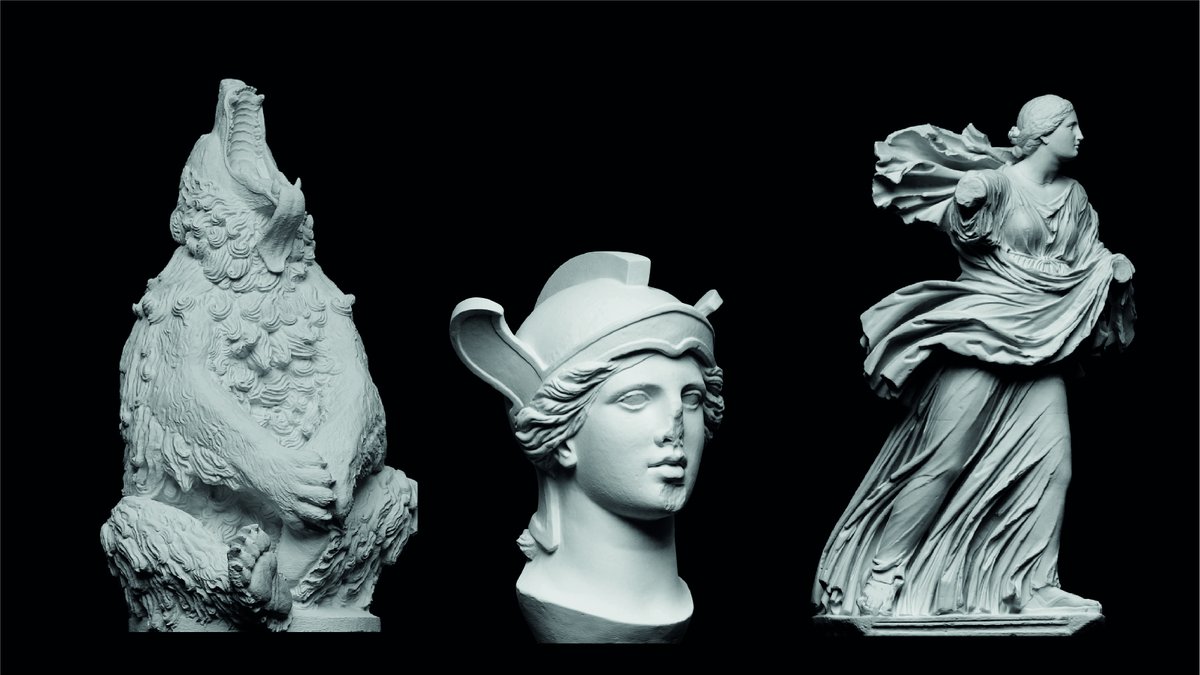
If archaeologists and historians thousands of years from now were to excavate the remains of our cities, what would they discover about us? While today’s world often seems dominated by digital technologies, countless printed objects still surround us. Books, newspapers, magazines, packaging, posters, tickets, receipts, brochures, calendars, business cards, notebooks, product labels, and even shopping bags quietly document everyday life.
Unlike digital files that may disappear due to outdated technology or lost passwords, printed materials often survive for decades—or even centuries. Ancient manuscripts, medieval books, World War II propaganda posters, handwritten letters, and early newspapers continue to shape our understanding of history because someone printed or preserved them. Future historians may rely on today’s printed artifacts in much the same way.
Every printed object is more than paper and ink. It is evidence. It reflects what people valued, purchased, believed, celebrated, feared, and remembered. Together, these objects form a visual and cultural archive of civilization.
Print as a Time Capsule
History is often reconstructed through fragments. A single theater program can reveal what performances were popular. A supermarket receipt can illustrate inflation and consumer habits. A travel brochure may capture how destinations marketed themselves to tourists. Even an ordinary food package reflects design trends, nutritional priorities, environmental concerns, and language use.
Printed objects become time capsules because they preserve details that people rarely think about while living through them. Future historians might learn about our era not only through official government documents but also through café menus, concert tickets, children’s coloring books, election flyers, or product catalogs.
Today’s ordinary print may become tomorrow’s rare historical evidence.
Books Reveal What We Wanted to Remember
Books have always been among humanity’s most enduring cultural artifacts. They preserve knowledge, literature, philosophy, science, politics, religion, and art. But beyond their content, books also reveal changing values.
The books a society publishes reflect the conversations it is having with itself. A surge in books about climate change, artificial intelligence, mental health, entrepreneurship, or personal development tells future historians what topics occupied public attention.
Book design itself communicates historical context. Typography, cover illustrations, printing quality, binding methods, and even paper selection reveal technological capabilities and aesthetic preferences.
Special editions, independently published works, and small print runs may become especially valuable because they capture voices outside mainstream publishing.
Newspapers Capture the Rhythm of Daily Life
Although many people now consume news online, printed newspapers remain invaluable historical records.
Unlike history books, newspapers document events as they happen. They preserve uncertainty, public debate, political divisions, and emotional reactions before history has been rewritten with hindsight.
Advertisements often become just as valuable as the headlines. They reveal:
- Prices of everyday goods
- Fashion trends
- Household technologies
- Popular entertainment
- Healthcare concerns
- Social expectations
- Employment opportunities
Future researchers may spend as much time studying advertisements as they do political reporting because ads often reveal how ordinary people lived.
Magazines Reflect Identity
Magazines occupy a unique place between journalism and culture.
Fashion magazines reveal beauty standards. Technology magazines showcase innovation. Gardening magazines reflect lifestyle aspirations. Film magazines capture entertainment culture. Business publications document economic priorities.
Unlike newspapers, magazines are carefully curated. Their photography, layouts, interviews, and advertisements collectively represent how industries wished to present themselves.
Entire decades can often be recognized simply by flipping through magazine covers.
Packaging Speaks About Consumer Society
Future historians may be fascinated by something many people throw away without a second thought: packaging.
Food boxes, cosmetic containers, pharmaceutical labels, electronics packaging, and luxury shopping bags tell remarkable stories.
Packaging reveals:
- Environmental awareness
- Branding strategies
- Marketing language
- Government regulations
- Ingredient transparency
- Recycling practices
- International trade
Imagine comparing a cereal box from 1980, 2025, and 2125. Each would likely reflect changing nutritional science, graphic design trends, and public health priorities.
Packaging also illustrates globalization. Products often include multiple languages, international certifications, QR codes, and worldwide distribution information that reveal how interconnected modern economies have become.
Posters Document Public Conversations
Posters have long served as visual records of public life.
Concert posters, political campaigns, museum exhibitions, university lectures, protests, sports competitions, and film festivals all leave behind printed traces.
Unlike digital advertisements that disappear after scrolling, physical posters occupy public space. They become part of the urban landscape.
Years later, historians can study them to understand:
- Political movements
- Artistic styles
- Cultural events
- Social activism
- Public priorities
- Graphic design evolution
Even damaged posters layered upon older ones tell stories about changing cities and shifting public attention.
Tickets Preserve Experiences
A printed ticket is proof that someone attended an event.
Concert tickets, cinema tickets, train passes, airline boarding passes, museum admissions, and sports event credentials may seem disposable today, but they preserve remarkable historical information.
A festival ticket records not only attendance but also pricing, branding, sponsors, venue information, security measures, and graphic design.
For cultural historians, such objects reconstruct how people spent their leisure time.
Business Cards in a Digital Age
Despite the rise of LinkedIn profiles and QR codes, business cards continue to symbolize professional identity.
Future historians might study business cards to understand:
- Professional titles
- Corporate branding
- Communication methods
- Design preferences
- International networking
Even the gradual shift from printed contact information toward QR codes illustrates how print adapts rather than disappears.
Printed Objects Reflect Technology
Ironically, many printed materials reveal our digital world.
Restaurant menus now feature QR codes.
Product manuals include website addresses instead of lengthy instructions.
Event posters advertise social media accounts.
Books promote podcasts.
Packaging links to augmented reality experiences.
Rather than replacing print, digital technology has merged with it. Future historians may see this period as a transitional era where physical and digital communication coexisted.
Sustainability Leaves Visible Marks
Environmental awareness has transformed printing over the past several decades.
Many printed products now advertise:
- FSC-certified paper
- Recycled materials
- Soy-based inks
- Plastic-free packaging
- Carbon-neutral production
These statements themselves become historical evidence.
Future researchers may identify sustainability not only through legislation but through the language printed on everyday objects.
Local Identity Lives in Print
Globalization has made products increasingly similar across countries, but print continues to preserve local identity.
Regional publishers produce books reflecting national literature.
Local newspapers report community events.
Museum catalogs document regional heritage.
Festival posters celebrate local traditions.
Restaurant menus preserve culinary culture.
Municipal brochures promote tourism.
Together, these materials help historians understand what made each place unique despite growing global connections.
Typography Tells Stories Too
Even typography communicates historical meaning.
Different eras develop recognizable visual styles. Serif fonts often suggest tradition and authority. Sans-serif typography communicates modernity. Minimalist layouts reflect contemporary design preferences, while decorative lettering may indicate nostalgia or celebration.
Printing technologies also influence appearance.
Letterpress, offset printing, digital printing, foil stamping, embossing, and specialty finishes each leave distinct visual characteristics.
Future historians of design will likely study typography just as art historians study painting techniques.
The Unexpected Importance of Ephemera
Historians often treasure items never intended to survive.
These temporary printed materials—known as ephemera—include:
- Flyers
- Coupons
- Receipts
- Event programs
- Greeting cards
- Calendars
- Maps
- Menus
- Product catalogs
- Invitations
Because they were designed for short-term use, relatively few survive. Ironically, that rarity often makes them historically invaluable.
A grocery receipt may reveal more about daily life than an official government report.
Print Preserves Human Touch
One characteristic distinguishes printed objects from many digital files: physical presence.
A book bears signs of reading through folded pages and handwritten notes. A postcard carries stamps and personal messages. A notebook preserves sketches alongside text. A printed photograph fades over time, reflecting its journey through generations.
These physical traces remind historians that real people interacted with these objects.
Digital archives preserve information efficiently, but printed materials preserve evidence of use.
What Will Historians Say About Us?
Future historians may conclude that our era was defined by contradiction.
We embraced digital technology while continuing to produce billions of printed objects.
We worried about sustainability yet relied heavily on packaging.
We communicated instantly online while still printing books, certificates, magazines, posters, and documents.
Our printed world reflects both innovation and continuity.
Most importantly, historians may discover that despite technological revolutions, humans continued to value something tangible—objects that could be held, collected, shared, displayed, and preserved.
Conclusion
Printed objects are far more than communication tools. They are historical witnesses.
Every book on a shelf, every museum brochure, every exhibition poster, every carefully designed package, and every magazine issue quietly records the values of its time. Together they form an archive of everyday civilization that future generations will use to understand who we were.
Long after websites have vanished, apps have become obsolete, and forgotten file formats can no longer be opened, many printed artifacts may still exist on library shelves, in personal collections, museum archives, and family boxes.
History is rarely written from grand monuments alone. More often, it is reconstructed from the ordinary objects people leave behind.
That is perhaps the greatest strength of print: it preserves not only our greatest achievements but also the small details of everyday life. And sometimes, those everyday details tell the richest stories of all.