


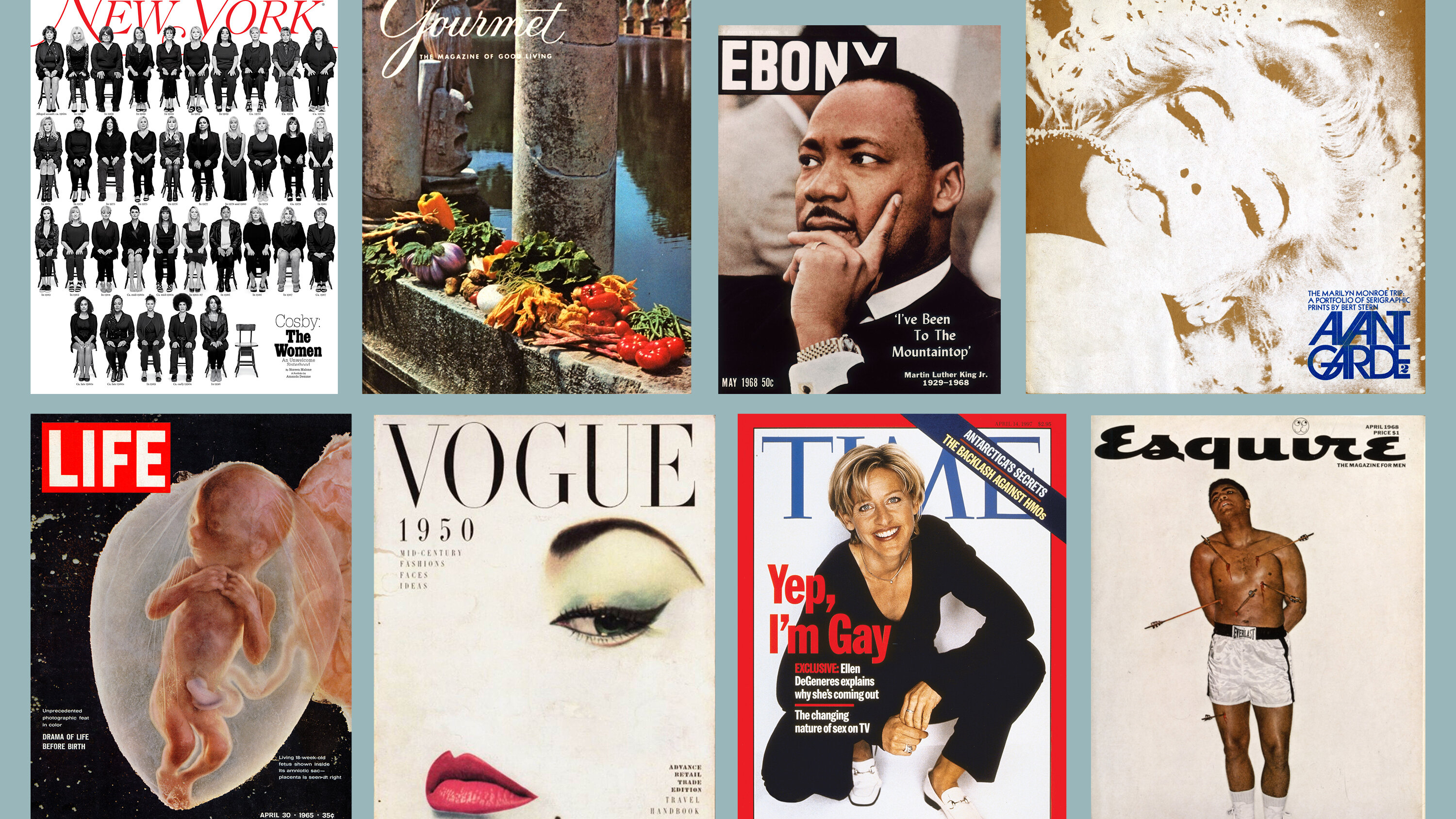
Before the rise of television, radio, and digital media, printed materials were the most powerful tools for spreading ideas, shaping debates, and influencing societies. From small political pamphlets distributed among citizens to glossy magazines reaching millions of readers, print has played a central role in forming public opinion for centuries. The history of print is not only the history of books and newspapers—it is also the history of revolutions, social movements, cultural changes, and the exchange of ideas.
Print transformed information from something controlled mainly by institutions, governments, and religious authorities into something that could circulate among ordinary people. It created new spaces for discussion, disagreement, and collective action. Even today, when information spreads instantly online, the influence of printed publications remains visible in the way societies communicate, organize, and understand themselves.
The Birth of Mass Communication: The Power of Pamphlets
The invention of the printing press in the 15th century by Johannes Gutenberg marked one of the most important turning points in human communication. Before printing became widespread, books were expensive, rare, and mostly accessible to religious institutions, scholars, and wealthy elites. The ability to produce texts faster and in larger quantities changed the relationship between knowledge and society.
Among the earliest forms of influential printed communication were pamphlets. Unlike books, which often required significant financial investment and years of preparation, pamphlets were short, inexpensive, and easy to distribute. Their accessibility made them an ideal tool for political, religious, and social discussions.
During the Protestant Reformation in the 16th century, pamphlets became a major instrument for spreading new religious ideas. Texts criticizing established religious authorities could reach thousands of people, creating debates that crossed borders. The printed word became a force capable of challenging traditional power structures.
Pamphlets also played a crucial role in political movements. They allowed activists, writers, and thinkers to present arguments directly to the public without relying on official institutions. For many people, pamphlets were their first opportunity to encounter alternative perspectives and participate in public discussions.
Print and Revolution: Creating Collective Voices
One of the most famous examples of print shaping public opinion occurred during the Enlightenment and the political revolutions of the 18th century. Philosophers and political thinkers used printed essays, newspapers, and pamphlets to discuss ideas about freedom, equality, government, and human rights.
In France, printed materials contributed significantly to the intellectual environment that preceded the French Revolution. Writers and political activists used pamphlets to criticize monarchy, question social inequality, and encourage citizens to demand change. These publications did not simply reflect public opinion—they helped create it.
Similarly, in the American colonies, pamphlets became powerful tools for mobilizing support for independence. Thomas Paine’s famous pamphlet Common Sense reached a wide audience and presented arguments for independence in language accessible to ordinary citizens. Its success demonstrated the ability of print to transform political ideas into public movements.
The importance of these examples lies not only in the content of the publications but also in their distribution. Print allowed individuals who had never met to share common ideas, creating a sense of collective identity. Readers became part of larger communities connected by information and beliefs.
Newspapers and the Rise of the Public Sphere
While pamphlets were often connected to specific campaigns or political moments, newspapers created a more continuous form of public conversation. Beginning in the 17th century, newspapers became important sources of news, commentary, and social debate.
The newspaper introduced a new concept: the public sphere. Citizens could learn about events beyond their immediate communities and discuss political, economic, and cultural issues. Print helped create a society where public opinion became a significant force.
Newspapers influenced elections, shaped political movements, and held authorities accountable. Investigative journalism exposed corruption, while opinion columns encouraged readers to consider different perspectives. The printed press became both a mirror of society and a tool for changing it.
However, the power of newspapers also raised questions about responsibility and influence. Publishers and editors could decide which topics received attention and how events were presented. As a result, print media became closely connected with questions of ethics, representation, and the relationship between information and power.
The Magazine Revolution: Building Communities Through Print
By the 19th and 20th centuries, magazines emerged as another influential form of print media. Unlike newspapers, which focused primarily on current events, magazines often explored specialized interests, cultural trends, lifestyles, science, fashion, literature, and politics in greater depth.
Magazines created communities of readers who shared particular interests and identities. A literary magazine could connect writers and readers across countries. A scientific publication could introduce new discoveries to broader audiences. A cultural magazine could shape ideas about art, beauty, and social values.
The visual nature of magazines also changed the role of print. Advances in printing technology allowed publications to include photographs, illustrations, and sophisticated designs. The combination of text and imagery created a more emotional and engaging reading experience.
Magazines became especially influential in shaping cultural perceptions. Fashion magazines influenced ideas about style and beauty. Political magazines shaped ideological debates. Lifestyle publications influenced how people thought about family, success, travel, and personal identity.
Print as a Tool for Social Change
Throughout history, printed publications have supported social movements and amplified voices that were often ignored by mainstream institutions.
Women’s rights activists, labor movements, civil rights organizations, and independence movements all used print to communicate their goals. Newspapers, newsletters, posters, and magazines helped organize communities and spread messages beyond local boundaries.
For marginalized groups, print often became a way to preserve identity and challenge dominant narratives. Community publications allowed people to tell their own stories and create spaces for dialogue.
In many societies, underground newspapers and independent magazines played important roles during periods of censorship. When official media was restricted, alternative publications provided information and encouraged public discussion.
The Design and Psychology of Print Influence
The influence of print is not only connected to words. Design, typography, paper quality, and visual structure also shape how readers experience information.
A carefully designed publication can create trust and authority. Headlines attract attention, images influence emotions, and layouts guide the reading process. Publishers have long understood that the physical form of a publication affects how its message is received.
A newspaper with a serious design communicates credibility. A colorful magazine creates a sense of entertainment and lifestyle. A political pamphlet with bold typography can create urgency and encourage action.
Print is therefore not simply a container for information—it is a medium that communicates through both content and form.
Print in the Digital Age
Today, many people assume that print has lost its influence because of the dominance of digital media. However, printed publications continue to play an important role. Books, independent magazines, limited-edition publications, and specialized journals have experienced renewed interest among audiences seeking meaningful and carefully produced content.
Unlike the endless flow of online information, print offers a slower and more focused experience. Readers often associate physical publications with credibility, expertise, and permanence. A printed magazine can become an object to collect, preserve, and revisit.
Independent print publications especially have found new audiences by focusing on niche communities, high-quality design, and unique perspectives. In a world filled with rapidly changing digital content, print provides a sense of connection and authenticity.
At the same time, many modern publications combine print and digital strategies. Magazines have websites, newsletters, and social media channels, while online platforms create printed editions to strengthen their identity. Rather than disappearing, print continues to adapt.
The Enduring Influence of the Printed Word
From revolutionary pamphlets to influential magazines, print has always been more than a method of sharing information. It has been a tool for persuasion, education, organization, and cultural transformation.
Printed materials have helped societies debate ideas, challenge authorities, build communities, and imagine new futures. They have given individuals the ability to participate in conversations larger than themselves and have transformed private thoughts into public movements.
Although the technologies of communication continue to evolve, the fundamental power of print remains unchanged. A pamphlet handed from person to person, a newspaper read at breakfast, or a magazine discovered on a shelf can still influence how people think about the world.
The history of print is ultimately the history of ideas traveling—from one person to another, from one generation to the next. And as long as societies continue to exchange ideas, the printed word will remain one of the most powerful forces shaping public opinion.