


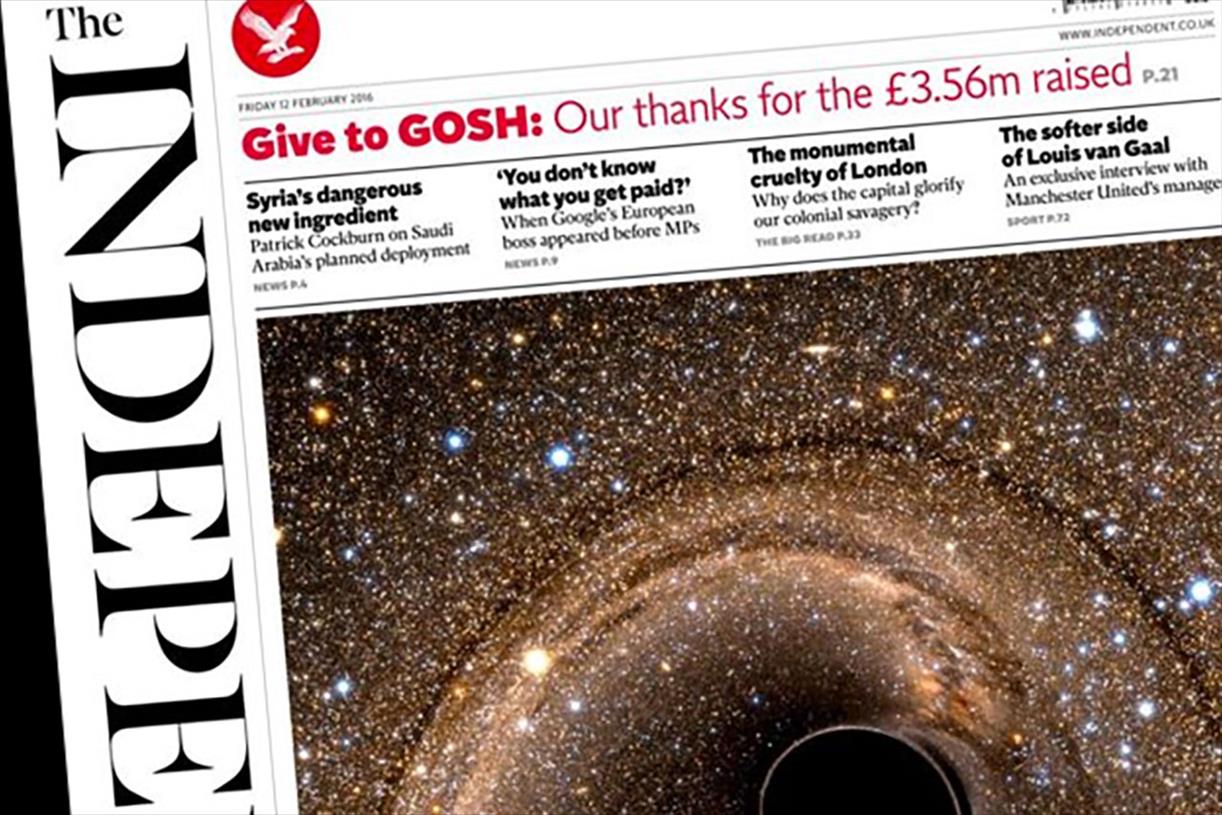
For years, the future of print seemed uncertain. The rise of the internet, social media platforms, digital news outlets, and e-books led many to believe that printed publications would gradually disappear. Newspapers reduced their print editions, magazines closed, and many publishers shifted entirely toward digital platforms. The common prediction was that print would become a nostalgic medium, remembered as a product of the past.
However, something unexpected has happened. While traditional mass-market print has faced challenges, independent print publications have experienced a remarkable revival. Small magazines, artist books, literary journals, niche publications, and carefully curated print projects are gaining new audiences around the world. Instead of disappearing, print has transformed into a medium associated with creativity, authenticity, craftsmanship, and meaningful experiences.
The resurgence of independent print publications is not a rejection of digital technology. Rather, it represents a response to the overwhelming speed and endless flow of online information. In a world where thousands of posts, videos, and messages compete for attention every day, people are rediscovering the value of something tangible, slow, and thoughtfully created.
The Desire for Tangible Experiences
One of the main reasons independent print publications are thriving is the human desire for physical experiences. Digital content is convenient, accessible, and immediate, but it often lacks a sense of permanence. A printed magazine, book, or journal creates a different relationship between the reader and the content.
Holding a beautifully designed publication, feeling the texture of the paper, observing typography, photography, and illustrations, and turning physical pages create an experience that cannot be fully replicated on a screen.
Independent publishers understand that print is no longer competing with digital platforms in terms of speed or quantity. Instead, they focus on quality and emotional connection. A small magazine with carefully selected stories and exceptional design becomes more than a source of information—it becomes an object people want to keep, collect, and revisit.
Many readers today are not looking for more content. They are looking for better content. Independent print publications offer a sense of discovery and intimacy that is often missing from mainstream media.
Digital Overload and the Search for Slow Media
The digital age has created unprecedented access to information, but it has also created a problem: information overload. Social media algorithms constantly push new content, encouraging users to scroll endlessly from one piece of information to another.
This culture of constant updates has increased interest in what is often called “slow media”—content created with intention, research, and attention to detail.
Independent print publications represent the philosophy of slow media. They are not designed to be consumed in seconds. They invite readers to pause, reflect, and engage deeply with ideas.
A literary magazine might dedicate an entire issue to a single theme. An art publication may spend months developing visual concepts and collaborating with artists. A cultural journal may explore topics that do not receive attention in mainstream media.
This slower approach creates a different kind of relationship between publishers and readers. Instead of chasing clicks and immediate reactions, independent publications build communities around shared interests and values.
The Power of Niche Audiences
Another important factor behind the success of independent print publications is the rise of niche communities.
Traditional publishing often depended on reaching the largest possible audience. Independent publishers, however, focus on specific interests and communities. They create publications for readers who are passionate about particular subjects: contemporary art, architecture, fashion, photography, literature, design, sustainability, food culture, travel, or local heritage.
This approach allows small publishers to develop strong connections with their audiences. Readers are not simply consumers; they become supporters, collectors, and participants in a creative community.
For example, an independent design magazine may not compete with a global lifestyle publication in terms of circulation numbers, but it can become highly influential among designers, architects, and creative professionals. A small literary journal may reach fewer people than a digital platform but create a much deeper impact among writers and readers.
In the modern publishing landscape, influence is not always measured by quantity. A dedicated audience can be more valuable than millions of passive viewers.
Print as a Platform for Creativity
Independent publications have also become spaces for experimentation. Freed from the limitations of commercial publishing, small publishers can take risks with formats, materials, and storytelling methods.
Many contemporary print projects combine traditional publishing with elements of art and design. They experiment with unusual paper types, innovative layouts, handmade covers, limited editions, and collaborations with artists.
The publication itself becomes a creative object.
Artist books, independent magazines, and experimental journals often exist somewhere between publishing and visual art. They demonstrate that print is not only a way to deliver text—it is also a medium for artistic expression.
This creative freedom attracts designers, photographers, writers, and illustrators who want to explore ideas beyond traditional formats. Independent publishing provides a space where storytelling and visual identity can exist together.
The Rise of Collectible Publications
Another reason for the revival of independent print is that many publications have become collectible items.
In the past, magazines were often considered temporary products. After reading them, people would usually recycle or discard them. Today, many independent publications are created with the intention of being preserved.
Limited editions, special releases, and beautifully produced books appeal to collectors who value craftsmanship. A magazine can become a cultural artifact documenting a specific moment, artistic movement, or social conversation.
This shift has changed how people perceive print. Instead of viewing publications as disposable information carriers, audiences increasingly see them as objects with cultural and aesthetic value.
The same trend can be observed in independent book publishing, zines, photography books, and small press projects. The physical form becomes part of the meaning.
Community and Authenticity Over Mass Production
Independent print publications often succeed because they offer something that large media companies struggle to provide: authenticity.
Readers today are increasingly interested in knowing who creates the content they consume. They want transparency, personal voices, and meaningful connections with creators.
Small publishers often work directly with writers, artists, and communities. Their publications reflect specific perspectives rather than attempting to appeal to everyone.
This authenticity creates trust. Readers feel that they are supporting a creative initiative rather than simply purchasing a product.
Many independent publications are also connected to local communities. They document regional stories, preserve cultural heritage, highlight emerging artists, and create platforms for voices that might otherwise remain unheard.
In this sense, independent publishing plays an important cultural role. It preserves diversity in storytelling and ensures that publishing is not controlled only by large institutions.
The Relationship Between Print and Digital
The revival of print does not mean that digital platforms are becoming irrelevant. In fact, many successful independent publications combine both worlds.
Social media helps independent publishers reach new audiences, share behind-the-scenes content, promote new issues, and build communities. Websites and newsletters provide additional ways to engage with readers.
Digital platforms often serve as a gateway to print. A reader may discover a publication through Instagram, subscribe to a newsletter, and eventually purchase a physical edition.
This combination allows independent publishers to benefit from the accessibility of digital media while maintaining the unique value of print.
The future of publishing is not about choosing between print and digital. It is about understanding how each medium can serve different purposes.
Sustainability and Conscious Consumption
Environmental concerns have also influenced the independent publishing movement. While the printing industry has historically faced criticism regarding paper use and waste, many independent publishers are exploring more sustainable approaches.
They use recycled paper, responsible printing methods, local production, and smaller print runs to reduce waste.
Limited production also reflects a broader cultural shift toward conscious consumption. Instead of producing thousands of copies designed for short-term use, independent publishers often create fewer but higher-quality editions.
This approach aligns with the growing interest in sustainability, craftsmanship, and mindful purchasing decisions.
The Future of Independent Print
Independent print publications are thriving because they have found a new purpose. They are no longer competing with digital media by trying to be faster or more accessible. Instead, they offer something different: depth, beauty, authenticity, and connection.
The future of print is not based on returning to the past. It is about redefining what print can be in a digital world.
Independent publishers demonstrate that people still value carefully created objects, thoughtful storytelling, and meaningful experiences. In an era of constant digital communication, a printed publication can become a rare opportunity to slow down and engage.
The revival of independent print is ultimately a reminder that technology changes the way we consume information, but it does not eliminate our desire for creativity, human connection, and physical experiences.
Print is not disappearing. It is evolving. And independent publishers are proving that when ideas, design, and craftsmanship come together, a printed page can still have the power to inspire, educate, and connect people.