


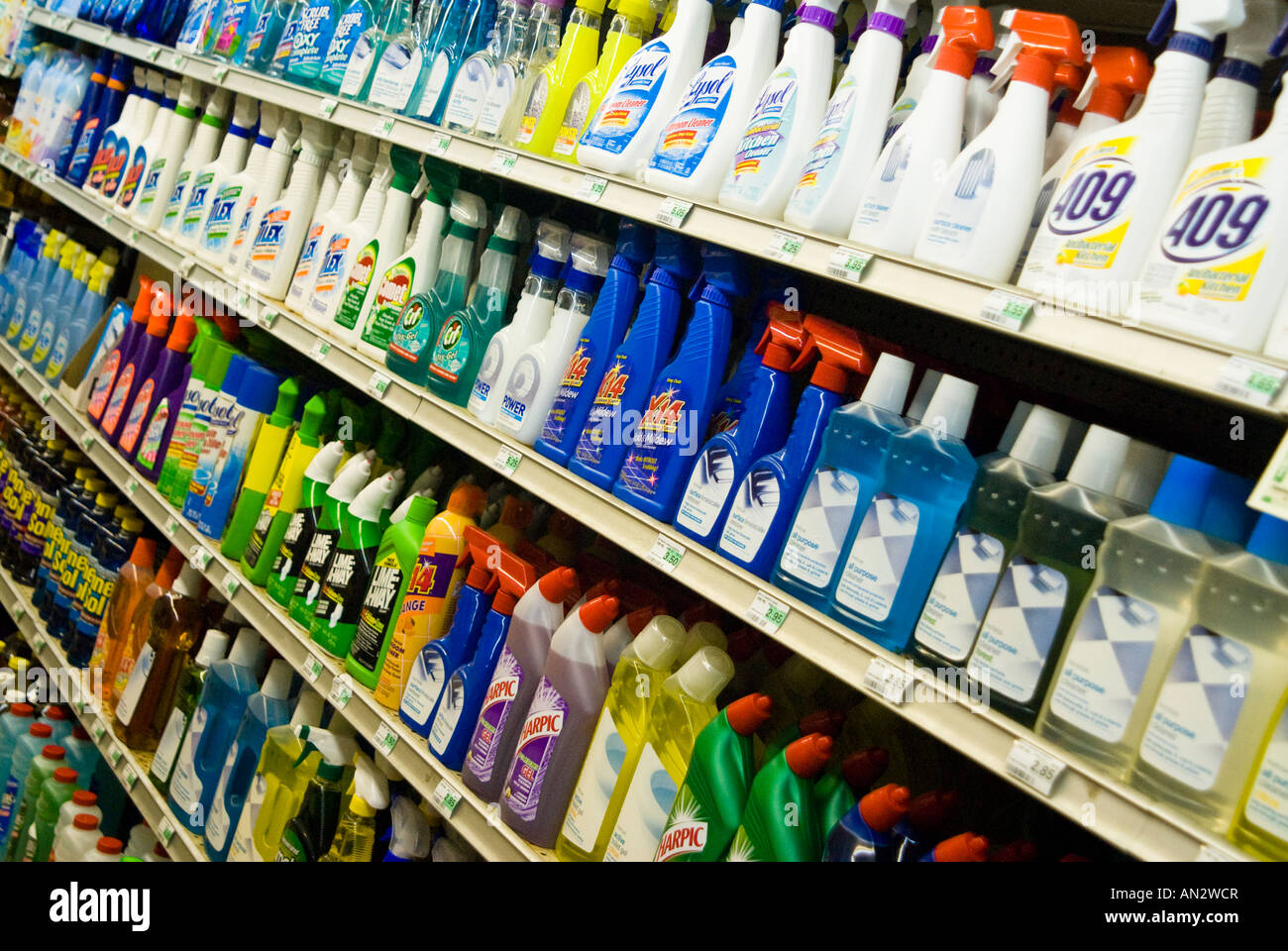
Walk into any supermarket, bookstore, cosmetics store, electronics retailer, or specialty boutique, and you are immediately surrounded by thousands of products competing for your attention. Consumers are exposed to an overwhelming number of choices every time they shop, making it increasingly difficult for brands to capture interest within the few seconds available before a purchasing decision is made.
In this highly competitive environment, packaging is no longer simply a protective layer around a product—it has become one of the most powerful marketing tools available. Long before a customer experiences the product itself, they experience its packaging. The colors, typography, materials, textures, finishes, and printed details all work together to create a first impression that can determine whether a product ends up in a shopping cart or remains on the shelf.
Printing plays a central role in this process. Modern printing technologies allow brands to transform ordinary packaging into memorable visual experiences that communicate quality, trust, innovation, and personality. Whether through premium finishes, vibrant colors, tactile effects, or creative structural design, print helps products distinguish themselves in crowded retail environments where every inch of shelf space matters.
This article explores how professional printing helps products stand out, influences purchasing decisions, and strengthens brand recognition across industries.
The Reality of Shelf Competition
Today’s consumers have more options than ever before. A single supermarket aisle may contain dozens of competing brands offering nearly identical products. Coffee, chocolate, skincare, bottled water, cereal, and household cleaners often compete within the same category, making visual differentiation essential.
Research in consumer behavior consistently shows that many purchasing decisions are made in-store within seconds. Even shoppers who enter a store with a shopping list often remain open to discovering new products when something captures their attention.
This means packaging has only a brief moment to communicate several important messages:
- What the product is
- Why it is different
- Why it is trustworthy
- Why it is worth its price
- Why consumers should choose it instead of competing products
Print enables all of these messages to be delivered simultaneously through carefully designed visual communication.
First Impressions Begin with Print
Consumers typically see packaging before they read it.
Before they notice product features or ingredients, they subconsciously process visual information including:
- Color
- Shape
- Texture
- Typography
- Images
- Finishing effects
- Overall print quality
High-quality printing immediately suggests professionalism and attention to detail.
Poor print quality, faded colors, blurry images, or inconsistent finishes can unintentionally communicate low quality—even if the product itself is excellent.
Consumers frequently associate packaging quality with product quality because they often have no other information available before making a purchase.
Color as a Competitive Advantage
Color is one of the strongest visual tools available in packaging design.
Professional printing ensures colors remain vibrant, accurate, and consistent across every production run. This consistency helps customers quickly recognize familiar brands while also allowing new products to establish a distinctive identity.
Different colors naturally communicate different emotions:
- Green often represents sustainability, freshness, or organic ingredients.
- Blue communicates trust, cleanliness, and reliability.
- Black creates associations with luxury and sophistication.
- Gold suggests premium quality.
- White often conveys simplicity and purity.
- Red creates excitement, urgency, and energy.
The effectiveness of these colors depends not only on design but also on precise printing that reproduces them accurately every time.
Premium Finishes Capture Attention
Modern printing extends far beyond ink on paper.
Special finishing techniques create packaging that appeals to multiple senses while making products visually distinctive.
Popular premium printing finishes include:
Spot UV Coating
Spot UV highlights selected design elements with a glossy finish while leaving the rest of the package matte. This contrast naturally attracts the eye and creates a sophisticated appearance.
Embossing and Debossing
Raised or recessed printed elements add texture that consumers can both see and feel. Logos, product names, or decorative patterns become more memorable through tactile interaction.
Foil Stamping
Metallic foils in gold, silver, copper, holographic, or colored finishes create a luxurious appearance that immediately distinguishes premium products.
Soft-Touch Lamination
Soft-touch coatings provide a velvety texture that creates an immediate sensory impression. This finish is especially popular in cosmetics, technology, and premium food packaging.
Textured Varnishes
Special varnishes simulate natural materials such as leather, wood, fabric, or stone, adding depth and realism to printed surfaces.
Together, these techniques transform ordinary packaging into an engaging customer experience.
Texture Influences Buying Decisions
Packaging is one of the few marketing materials customers physically touch before purchasing.
Print finishes create tactile experiences that influence perception in subtle but powerful ways.
Consumers often associate heavier paper stocks, textured finishes, embossed elements, and premium coatings with higher value.
Touch creates emotional engagement that digital advertising cannot replicate.
When customers pick up a product because its packaging feels different, the brand gains additional time to communicate its value.
Clear Typography Builds Trust
Excellent printing ensures typography remains sharp, legible, and visually appealing.
Consumers rely on printed information for:
- Ingredients
- Instructions
- Certifications
- Product benefits
- Safety information
- Brand stories
- Manufacturing details
If text appears blurry or difficult to read, consumers may question the credibility of the entire product.
Professional printing supports both aesthetics and functionality by maintaining excellent readability across every package.
Shelf Impact Through Contrast
Successful packaging often succeeds because it creates contrast.
Print can create contrast through:
- Unexpected color combinations
- Minimalist layouts
- Bold typography
- Matte versus glossy finishes
- Large photographic imagery
- Metallic highlights
- White space
Sometimes standing out means being brighter.
Other times, standing out means being simpler.
Professional printing gives designers the flexibility to execute whichever strategy best represents the brand.
Consistency Across Every Product
Brand recognition depends on consistency.
Consumers should instantly recognize products regardless of:
- Package size
- Seasonal editions
- Promotional versions
- Regional packaging
- New product launches
Professional color management and modern printing technology ensure logos, colors, fonts, and visual identity remain consistent across all packaging.
This consistency builds familiarity and trust over time.
Print Supports Storytelling
Consumers increasingly purchase products based on values as well as functionality.
Packaging has become an important storytelling platform.
Printed packaging communicates stories about:
- Sustainability
- Local production
- Heritage
- Craftsmanship
- Innovation
- Ethical sourcing
- Family traditions
- Scientific research
Short narratives, illustrations, icons, timelines, and infographics help customers connect emotionally with brands.
Print transforms packaging from a container into a communication channel.
Sustainable Printing Appeals to Modern Consumers
Sustainability has become an important purchasing factor.
Modern printing supports environmentally responsible packaging through:
- Water-based inks
- Soy-based inks
- FSC-certified paper
- Recycled materials
- Reduced plastic coatings
- Digital printing that minimizes waste
- Efficient production processes
Clearly printed sustainability certifications and environmental messaging help consumers make informed purchasing decisions.
Eco-friendly printing demonstrates that brands take environmental responsibility seriously.
Digital Printing Enables Personalization
One of the most exciting developments in modern printing is variable data printing.
Digital technologies allow brands to personalize packaging by printing:
- Individual customer names
- Limited editions
- Unique artwork
- Regional designs
- Serialized QR codes
- Personalized promotions
- Seasonal graphics
Personalized packaging encourages consumers to engage with products, share them on social media, and remember the brand.
Mass customization was once impossible. Today, digital printing makes it economically viable even for relatively short production runs.
QR Codes Connect Print with Digital Experiences
Printed packaging increasingly serves as a gateway to digital engagement.
QR codes allow customers to instantly access:
- Product tutorials
- Recipes
- Brand videos
- Loyalty programs
- Product authentication
- Sustainability information
- Augmented reality experiences
- Customer support
Rather than replacing print, digital technology enhances it.
Packaging becomes interactive while maintaining its physical presence on store shelves.
Luxury Brands Depend on Exceptional Printing
Luxury products rely heavily on packaging quality.
Whether selling perfume, premium chocolate, wine, jewelry, watches, or electronics, luxury brands invest heavily in sophisticated printing techniques because customers expect packaging to reflect the value of the product inside.
Common luxury printing elements include:
- Multi-level embossing
- Metallic foils
- Soft-touch coatings
- Thick premium boards
- Intricate patterns
- High-definition imagery
- Hidden security printing
- Precision die-cutting
These details communicate exclusivity before customers even open the package.
Food Packaging: Winning the Battle for Attention
Food retail presents some of the fiercest shelf competition.
Hundreds of colorful packages compete simultaneously.
Professional printing helps food brands communicate:
- Freshness
- Flavor
- Natural ingredients
- Health benefits
- Premium quality
- Authenticity
High-resolution food photography, accurate color reproduction, appetizing imagery, and clean typography encourage impulse purchases.
Many buying decisions are driven by appetite and emotion rather than careful comparison.
Packaging therefore plays a critical role in influencing those decisions.
Cosmetics Packaging Relies on Print
The cosmetics industry demonstrates perhaps the strongest relationship between packaging and purchasing.
Consumers frequently evaluate beauty products based on appearance before testing them.
Printed packaging communicates:
- Luxury
- Clean beauty
- Scientific innovation
- Natural ingredients
- Clinical credibility
- Fashion trends
Metallic printing, elegant typography, minimalistic layouts, and refined finishes all contribute to perceived product effectiveness.
The packaging often becomes part of the customer’s lifestyle and is proudly displayed on bathroom counters or makeup tables.
Printing Supports Small Businesses
High-quality printing is not reserved exclusively for global brands.
Digital printing has made premium packaging accessible for startups, boutique manufacturers, artisan food producers, and local businesses.
Short production runs allow smaller companies to:
- Launch products quickly
- Test new packaging
- Create seasonal collections
- Produce limited editions
- Refresh branding affordably
This flexibility allows emerging brands to compete visually with much larger competitors.
The Social Media Effect
Packaging no longer needs to impress only shoppers in physical stores.
Consumers frequently photograph attractive products and share them on Instagram, TikTok, Pinterest, and other social platforms.
Beautifully printed packaging becomes free advertising whenever customers post:
- Product unboxings
- Gift presentations
- Shelf displays
- Lifestyle photos
- Product reviews
Premium printing increases the likelihood that packaging will appear attractive on camera, extending its marketing value far beyond the retail shelf.
The Future of Shelf Differentiation
As retail environments become increasingly competitive, printing technologies continue to evolve.
Emerging innovations include:
- Smart packaging with embedded digital features
- Interactive printed electronics
- Invisible security inks
- Sustainable biodegradable coatings
- AI-assisted print optimization
- Hyper-personalized packaging
- Advanced tactile printing
- Digital embellishments without traditional tooling
These innovations will allow brands to create even more engaging consumer experiences while improving efficiency and sustainability.
Conclusion
In today’s crowded retail landscape, products have only moments to make a lasting impression. While advertising, pricing, and product quality all contribute to commercial success, packaging often determines whether a consumer pauses long enough to consider a purchase.
Professional printing transforms packaging into a strategic marketing asset by combining visual appeal, tactile experiences, storytelling, consistency, and innovation. Through vibrant colors, premium finishes, precise typography, sustainable materials, and personalized designs, print helps products capture attention, communicate value, and build lasting relationships with customers.
As consumer expectations continue to evolve and competition intensifies across every industry, investment in high-quality printing is no longer merely an aesthetic decision—it is a business strategy. Brands that recognize the power of print gain a valuable advantage on crowded shelves, creating memorable first impressions that influence purchasing decisions and strengthen long-term brand loyalty.