


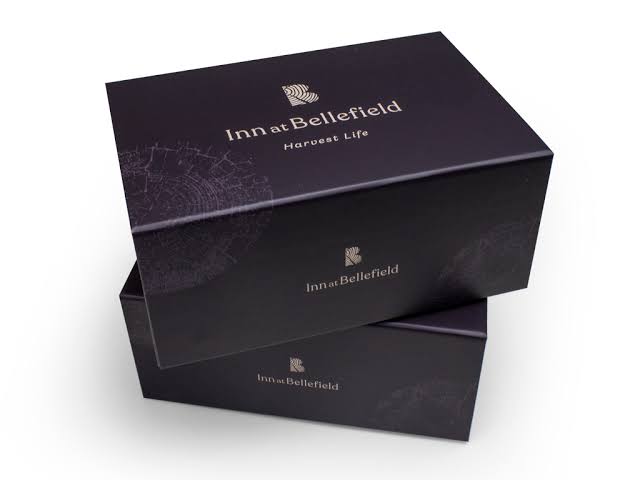
In today’s highly competitive marketplace, consumers are surrounded by thousands of products competing for their attention every day. Whether browsing the shelves of a luxury boutique, scrolling through an online store, or receiving a long-awaited delivery at home, people make judgments within seconds. Surprisingly, those judgments are often based not on the product itself, but on its packaging.
Premium packaging is much more than an attractive box or elegant wrapping. It is a carefully designed communication tool that influences perception, shapes expectations, and creates emotional connections long before the product is used. Behind every luxurious package lies a combination of psychology, design principles, marketing strategy, and high-quality printing techniques that work together to tell a compelling story.
Understanding the psychology behind premium packaging reveals why certain products instantly appear more valuable, why consumers willingly pay higher prices for beautifully presented goods, and why brands continue investing heavily in sophisticated print and packaging solutions.
First Impressions Are Formed Almost Instantly
Psychologists have long demonstrated that humans make first impressions within milliseconds. This principle applies just as strongly to products as it does to people.
Before reading a label or learning about product specifications, consumers subconsciously evaluate visual cues such as:
- Color
- Material
- Weight
- Typography
- Surface texture
- Finishing details
- Structural design
Together, these elements communicate quality, trustworthiness, exclusivity, and value.
Imagine receiving two identical products. One arrives in a thin cardboard box with simple printing. The other comes in a rigid matte-finished box featuring embossed lettering, foil stamping, soft-touch coating, and perfectly fitted inserts.
Although the products inside are identical, most consumers would immediately assume the second one is superior.
This phenomenon is known as the halo effect—a psychological bias in which positive impressions in one area influence perceptions in another. Exceptional packaging creates positive expectations about the product before it is even experienced.
Packaging Creates Expectations
The human brain constantly predicts experiences before they occur.
Packaging acts as a preview of what consumers expect to find inside.
Luxury cosmetics often feature clean typography, elegant minimalism, and premium paper stocks. Fine chocolates use rich colors, textured finishes, and sophisticated illustrations. High-end electronics rely on minimalist precision and perfectly engineered packaging structures.
Each design choice signals a specific experience.
When packaging suggests luxury, consumers naturally expect:
- Better craftsmanship
- Higher product quality
- Greater durability
- Superior performance
- More enjoyable ownership
Research in consumer psychology has shown that expectations significantly influence satisfaction. If premium packaging creates anticipation of excellence, customers are more likely to perceive the product positively.
In other words, packaging doesn’t merely protect the product—it shapes the experience itself.
The Power of Touch
Vision often receives the most attention in packaging design, but touch plays an equally important role.
Humans naturally associate tactile experiences with emotional responses.
Premium packaging frequently incorporates:
- Soft-touch lamination
- Cotton papers
- Heavy cardstock
- Linen textures
- Embossing
- Debossing
- Raised UV coatings
- Natural fibers
These physical sensations activate emotional processing that digital shopping experiences cannot fully replicate.
A heavier box feels more valuable.
A textured surface feels more authentic.
Smooth magnetic closures suggest precision.
Velvet inserts imply care.
Even subtle differences in paper thickness can dramatically affect consumer perception.
Neuroscientists have found that tactile interaction increases emotional attachment and perceived ownership. Simply holding beautifully produced packaging can make customers feel more connected to the brand.
Color Psychology Influences Buying Decisions
Colors communicate powerful emotional messages before consumers consciously interpret them.
Premium brands carefully select color palettes based on psychological associations.
Black
Black symbolizes sophistication, exclusivity, authority, and timeless luxury.
Luxury fashion, perfumes, watches, and electronics frequently rely on black packaging to communicate prestige.
White
White represents purity, simplicity, elegance, and modernity.
Minimalist packaging often uses white to emphasize cleanliness and refinement.
Gold
Gold evokes wealth, celebration, success, and premium quality.
Foil stamping in gold instantly elevates perceived value.
Silver
Silver communicates innovation, technology, precision, and professionalism.
It is commonly used in electronics and premium skincare.
Deep Blue
Dark blue inspires trust, reliability, intelligence, and confidence.
Financial institutions and premium corporate brands often incorporate navy tones.
Earth Tones
Natural browns, greens, and muted colors signal sustainability, authenticity, and craftsmanship.
These colors are increasingly popular among environmentally conscious premium brands.
The emotional impact of color is amplified through printing quality. Rich inks, accurate color reproduction, and luxurious finishes ensure that colors communicate exactly what designers intend.
Typography Shapes Brand Personality
Fonts do much more than display information.
Typography communicates personality.
Elegant serif fonts often suggest heritage, craftsmanship, and tradition.
Minimal sans-serif fonts imply innovation, simplicity, and modern luxury.
Custom lettering creates exclusivity.
Spacing also matters.
Generous white space around text creates a feeling of confidence and sophistication. Crowded layouts often appear inexpensive or rushed.
Premium brands rarely overload packaging with excessive information. Instead, they allow typography and layout to breathe, creating an impression of calm confidence.
This subtle restraint reinforces perceptions of quality.
The Psychology of Minimalism
One interesting aspect of premium packaging is that luxury often says less rather than more.
Many premium products feature remarkably simple designs.
Instead of filling every available space with graphics and promotional messages, luxury packaging embraces minimalism.
Psychologically, this works because scarcity creates perceived value.
A restrained design suggests confidence.
The brand does not need to shout.
It allows consumers to appreciate craftsmanship rather than marketing noise.
Minimalist packaging also reduces cognitive overload.
Consumers process information more easily when visual distractions are minimized.
The result is a calmer, more memorable, and more premium experience.
The Unboxing Experience
The rise of social media has transformed packaging into entertainment.
Millions of people watch unboxing videos on platforms like YouTube, TikTok, and Instagram.
Premium brands understand that opening a package is now part of the product experience.
Every layer contributes to anticipation:
- Protective sleeves
- Tissue paper
- Custom stickers
- Magnetic closures
- Printed messages
- Ribbon pulls
- Foam inserts
- Certificates of authenticity
Each step prolongs excitement.
Psychologists call this anticipatory pleasure—the enjoyment people experience while waiting for a reward.
Instead of immediately revealing the product, premium packaging extends the emotional journey.
The opening process becomes memorable, increasing customer satisfaction and encouraging social sharing.
Scarcity and Exclusivity
Consumers naturally assign greater value to products that appear rare or exclusive.
Premium packaging reinforces scarcity through:
- Numbered editions
- Limited production markings
- Custom printing
- Personalized names
- Hand-finished details
- Seasonal designs
- Special collector’s boxes
Even when production volumes are relatively high, packaging can create a perception of uniqueness.
Personalization strengthens emotional attachment because people value items that appear created specifically for them.
Consistency Builds Trust
Premium brands maintain remarkable consistency across every printed element.
Shopping bags, business cards, product boxes, catalogs, labels, inserts, and thank-you cards all reflect the same visual identity.
Consistency reduces uncertainty.
Consumers interpret consistent branding as evidence of professionalism, attention to detail, and reliability.
When every printed material feels connected, the brand appears established and trustworthy.
This psychological reassurance is especially important for luxury purchases where customers expect perfection.
Sustainability and Premium Perception
Modern consumers increasingly associate sustainability with quality rather than compromise.
Premium packaging no longer relies solely on excess.
Today’s luxury often emphasizes thoughtful material selection.
Recycled papers, biodegradable coatings, soy-based inks, FSC-certified paper stocks, reusable rigid boxes, and minimal waste all contribute to a premium experience when executed beautifully.
Consumers appreciate brands that demonstrate environmental responsibility without sacrificing elegance.
In fact, sustainable packaging often strengthens emotional loyalty because customers feel their purchasing decisions align with their personal values.
The Role of High-Quality Printing
Even the most brilliant packaging concept depends on flawless execution.
Printing quality directly influences consumer perception.
Luxury packaging frequently incorporates advanced printing techniques such as:
- Foil stamping
- Embossing
- Debossing
- Spot UV
- Soft-touch lamination
- Metallic inks
- High-resolution offset printing
- Digital personalization
- Edge coloring
- Specialty coatings
These finishes engage multiple senses simultaneously.
The combination of visual precision and tactile richness creates an experience that feels unmistakably premium.
Poor printing, inconsistent colors, or low-quality finishing can undermine even the strongest design concepts.
This is why premium brands invest heavily in expert print production.
Emotional Branding Through Packaging
People rarely purchase luxury products based solely on functionality.
Instead, they buy stories, aspirations, identities, and emotions.
Premium packaging helps consumers imagine themselves as part of that story.
A beautifully printed perfume box suggests sophistication.
An elegant wine label evokes celebration.
A premium notebook inspires creativity.
A luxury watch box communicates achievement.
These emotional associations become inseparable from the product itself.
Packaging becomes a physical extension of the brand’s identity.
Why Consumers Are Willing to Pay More
Behavioral economists have repeatedly found that perceived value often outweighs objective value.
When premium packaging enhances perception, consumers become more comfortable paying higher prices.
This willingness stems from several psychological factors:
- Higher perceived quality
- Emotional satisfaction
- Increased confidence in the purchase
- Social signaling
- Stronger brand trust
- Better gifting potential
- Enhanced ownership experience
Packaging therefore becomes an investment rather than a cost.
Well-designed premium packaging increases customer satisfaction, strengthens brand loyalty, encourages repeat purchases, and generates valuable word-of-mouth marketing.
The Future of Premium Packaging
As technology evolves, premium packaging continues to become more sophisticated.
Brands are combining traditional craftsmanship with modern innovation through smart packaging, QR codes, augmented reality experiences, personalized digital printing, NFC technology, and sustainable materials.
Yet despite these advancements, the core psychological principles remain unchanged.
Consumers continue to seek products that make them feel confident, valued, inspired, and emotionally connected.
Premium packaging succeeds because it appeals to fundamental human psychology. It transforms ordinary purchases into meaningful experiences by engaging the senses, building anticipation, communicating quality, and reinforcing brand identity.
Ultimately, exceptional packaging is not simply about wrapping a product in beautiful materials. It is about creating an emotional journey that begins with the very first glance and continues long after the box has been opened. Through thoughtful design, superior printing, and an understanding of consumer psychology, premium packaging becomes a silent ambassador for the brand—one that speaks of quality, care, and craftsmanship without saying a single word.