


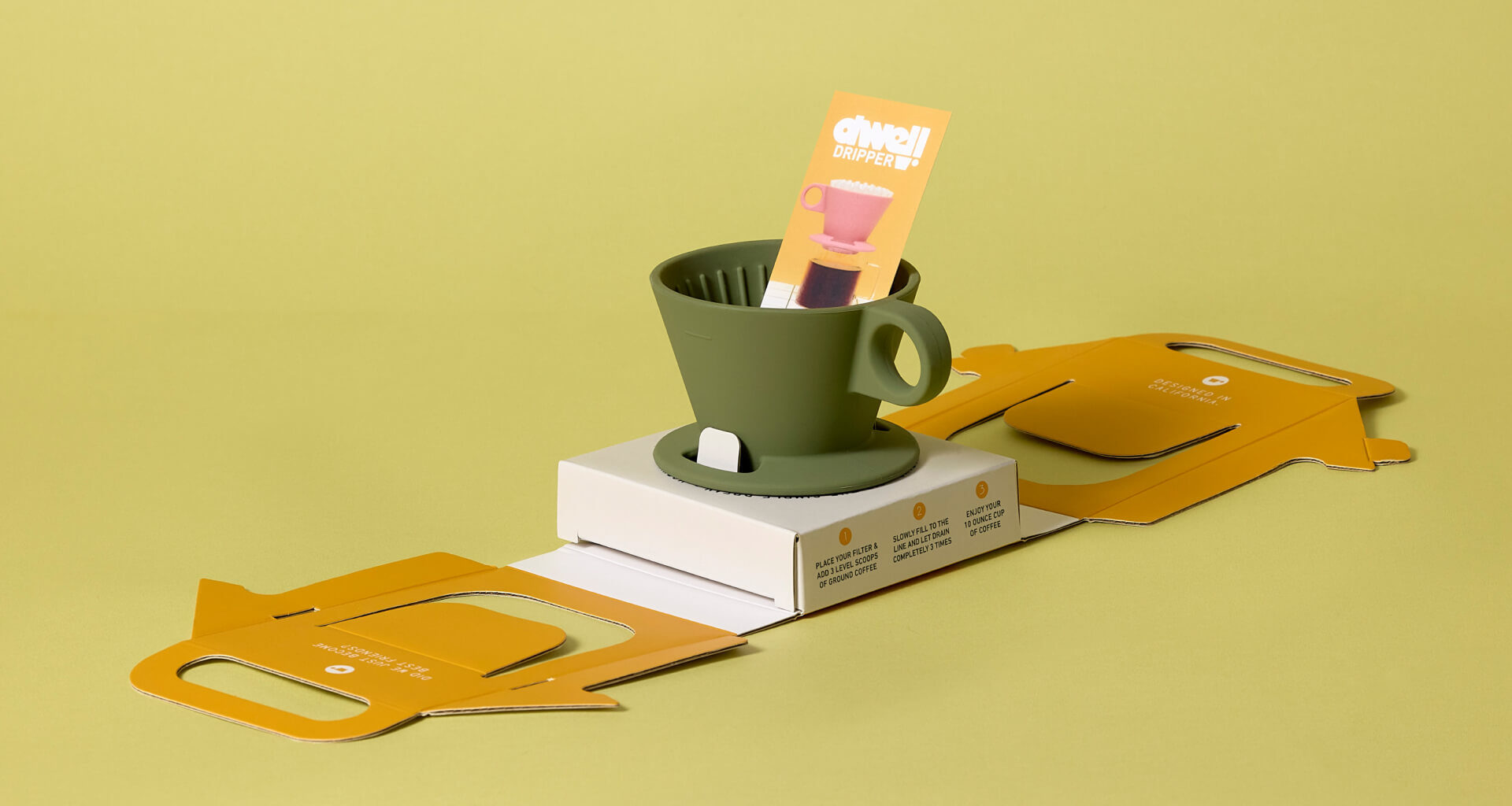
Retail is changing faster than ever before. Consumer expectations continue to evolve, technology is reshaping shopping experiences, and brands are competing not only on product quality but also on presentation. In this environment, packaging has become far more than a protective layer around a product. It is a marketing tool, a communication channel, a sustainability statement, and often the deciding factor that influences purchasing decisions.
Whether products are displayed on supermarket shelves, luxury boutiques, or online marketplaces, packaging plays a critical role in shaping consumer perception. A well-designed package can communicate trust, quality, innovation, and brand identity within seconds. Meanwhile, poor packaging can make even an excellent product appear ordinary.
Today’s retail landscape demands packaging that performs on multiple levels. It must attract attention, protect the product, provide information, reflect brand values, support sustainability, and create memorable customer experiences. As consumer behavior changes, so do the trends that define successful packaging.
Here are the packaging trends that are transforming modern retail and influencing the future of product presentation.
1. Sustainable Packaging Is Becoming the Standard
Perhaps the biggest shift in retail packaging is the growing demand for environmentally responsible solutions.
Consumers today are far more conscious about the environmental impact of the products they purchase. They pay attention to recyclable materials, reusable packaging, reduced plastic use, and responsible manufacturing practices. Studies consistently show that many shoppers are willing to pay more for products packaged sustainably.
Brands are responding by adopting:
- Recyclable paper-based packaging
- Compostable materials
- Plant-based plastics
- Reusable containers
- Minimal packaging designs
- Reduced ink usage
- FSC-certified paper and cardboard
Sustainability is no longer simply a marketing message—it has become a competitive advantage. Retailers increasingly favor suppliers whose packaging aligns with their own environmental commitments.
The challenge, however, is balancing sustainability with durability, functionality, and visual appeal. Successful brands prove that eco-friendly packaging does not have to compromise on design.
2. Minimalist Design Continues to Dominate
Modern consumers are overwhelmed with visual information. Ironically, this has made simplicity more powerful than complexity.
Minimalist packaging relies on:
- Clean typography
- Limited color palettes
- Generous white space
- High-quality materials
- Simple product messaging
Rather than shouting for attention, minimalist packaging communicates confidence and sophistication.
Luxury brands have embraced this approach for years, but now companies across industries—from food and cosmetics to electronics and wellness products—are adopting clean, elegant packaging designs.
Minimalism also supports sustainability by reducing excessive printing, decorative finishes, and unnecessary packaging components.
The result is packaging that feels modern, premium, and trustworthy.
3. Premium Finishes Are Creating Stronger Shelf Impact
Although minimalism is popular, brands still need ways to differentiate themselves in crowded retail environments.
Premium printing techniques help products stand out while maintaining elegant aesthetics.
Popular finishing options include:
- Soft-touch lamination
- Spot UV coating
- Embossing
- Debossing
- Foil stamping
- Metallic inks
- Textured coatings
- Raised varnishes
These tactile and visual enhancements encourage consumers to pick up products, increasing engagement and purchase likelihood.
The psychology behind touch is particularly important. Research shows that physical interaction with a product often strengthens emotional attachment and purchase intent.
Packaging that looks and feels premium immediately communicates higher perceived value.
4. Smart Packaging Is Connecting Physical and Digital Experiences
Technology is transforming packaging into an interactive communication platform.
Smart packaging often incorporates:
- QR codes
- NFC chips
- Augmented reality experiences
- Product authentication tools
- Digital instruction manuals
- Interactive promotions
- Loyalty programs
Instead of printing lengthy information on packaging, brands increasingly provide digital experiences through simple smartphone interactions.
Consumers can scan packaging to:
- Watch product demonstrations
- Verify authenticity
- Learn about ingredients
- Read sustainability information
- Join rewards programs
- Access recipes or tutorials
- Participate in contests
Packaging is becoming the gateway between physical retail and digital engagement.
5. Personalization Is Strengthening Consumer Connections
Consumers increasingly expect products to feel personal.
Advances in digital printing have made customized packaging more affordable, even for smaller production runs.
Brands now create:
- Personalized labels
- Limited editions
- Regional designs
- Seasonal packaging
- Customer names
- Local language variations
- Event-specific packaging
Personalization makes consumers feel recognized rather than treated as anonymous buyers.
One of the most famous examples remains Coca-Cola’s “Share a Coke” campaign, where bottles featured individual names instead of the traditional logo. The campaign demonstrated how personalized packaging could dramatically increase consumer engagement and social sharing.
Today, many brands continue using variable printing technologies to deliver unique packaging experiences.
6. E-commerce Is Influencing Packaging Design
Online shopping has changed how packaging is designed.
Products no longer compete only on store shelves—they must also survive shipping while delivering memorable unboxing experiences.
E-commerce packaging focuses on:
- Product protection
- Lightweight materials
- Efficient shipping dimensions
- Easy opening
- Easy returns
- Attractive presentation
- Social-media-friendly unboxing
Many consumers now share their purchases online, turning packaging into free marketing content.
As a result, brands increasingly design packaging specifically for the unboxing moment.
This trend is especially important for cosmetics, technology products, fashion, and premium consumer goods.
7. Bold Typography Is Replacing Complex Graphics
Typography has become one of the strongest visual elements in modern packaging.
Instead of relying on detailed illustrations, many brands now allow typography to become the central design feature.
Large, bold fonts help communicate:
- Product benefits
- Brand personality
- Ingredient transparency
- Product categories
This trend also improves readability, making products easier to identify quickly.
Consumers spend only a few seconds evaluating products on retail shelves. Clear typography helps brands communicate immediately.
When combined with minimalist layouts, bold typography creates striking visual identities that remain memorable.
8. Transparency Builds Consumer Trust
Today’s consumers want honesty.
Packaging increasingly emphasizes transparency through both messaging and design.
Brands now highlight:
- Ingredient origins
- Manufacturing processes
- Certifications
- Nutritional information
- Environmental impact
- Supply chain information
Physical transparency is also becoming more common.
Window packaging allows customers to see the product before purchase, increasing confidence and reducing uncertainty.
Clear communication has become especially important in food, cosmetics, supplements, and personal care industries.
Trust begins with packaging.
9. Flexible Packaging Is Growing Across Industries
Flexible packaging continues to replace rigid containers in many product categories.
Examples include:
- Stand-up pouches
- Flexible bags
- Refillable packs
- Resealable packaging
- Lightweight film packaging
Benefits include:
- Lower transportation costs
- Reduced storage space
- Lower material usage
- Improved convenience
- Longer product freshness
Consumers appreciate packaging that is easy to carry, store, and reseal.
Brands benefit from lower logistics costs and reduced environmental impact.
As printing technology advances, flexible packaging now offers high-quality graphics comparable to traditional rigid packaging.
10. Packaging Is Becoming More Inclusive
Inclusive design is gaining importance across retail.
Brands increasingly recognize that packaging should be accessible to everyone, including older consumers and people with disabilities.
Inclusive packaging may include:
- Larger fonts
- High-contrast colors
- Easy-open features
- Braille labeling
- Simple instructions
- Improved readability
Accessibility is no longer viewed merely as regulatory compliance—it is becoming an essential component of good design.
Brands that prioritize inclusivity demonstrate social responsibility while improving the customer experience for broader audiences.
11. Storytelling Through Packaging
Consumers increasingly buy brands that align with their values rather than simply purchasing products.
Packaging has become one of the primary places where brands tell their stories.
Modern packaging communicates:
- Brand heritage
- Founder stories
- Artisan craftsmanship
- Local sourcing
- Sustainability initiatives
- Community involvement
- Social impact
These stories help consumers form emotional connections that extend beyond product functionality.
Packaging has become a miniature brand experience.
12. High-Quality Printing Remains Essential
No matter how innovative a packaging concept may be, poor print quality undermines the entire presentation.
Sharp images, accurate colors, durable finishes, and consistent production quality remain fundamental to successful packaging.
Advances in digital, offset, and flexographic printing allow brands to produce:
- Vibrant graphics
- Precise color matching
- Short-run customization
- Faster production
- Consistent quality across product lines
High-quality printing ensures that every design element achieves its intended impact.
For retailers, consistency builds trust. For consumers, quality printing reinforces perceptions of professionalism and product excellence.
The Future of Retail Packaging
Retail packaging is entering an era where creativity, technology, sustainability, and customer experience intersect.
Future packaging will likely become even more intelligent, interactive, and environmentally responsible. Artificial intelligence may help personalize packaging on demand. Digital printing will enable greater customization without increasing costs. New materials will reduce environmental impact while maintaining durability. Connected packaging will continue linking physical products to digital services.
At the same time, one principle will remain unchanged: packaging must serve people.
Consumers want products that are attractive, practical, sustainable, informative, and authentic. Retailers want packaging that performs well on shelves, protects products during transportation, and supports efficient logistics. Brands want packaging that communicates their identity while creating memorable customer experiences.
The companies that succeed will be those that view packaging not as an afterthought, but as a strategic investment. Every design choice—from materials and printing techniques to typography, structure, and finishing—contributes to how consumers perceive a product and the brand behind it.
In an increasingly competitive retail environment, packaging has become one of the most influential touchpoints between businesses and consumers. It shapes first impressions, encourages purchases, builds loyalty, and reinforces brand values long after the transaction is complete.
As retail continues to evolve, packaging will remain at the center of innovation, helping brands capture attention, communicate purpose, and create lasting relationships with customers. Businesses that embrace emerging packaging trends today will be better positioned to stand out, adapt to changing consumer expectations, and thrive in the retail landscape of tomorrow.