


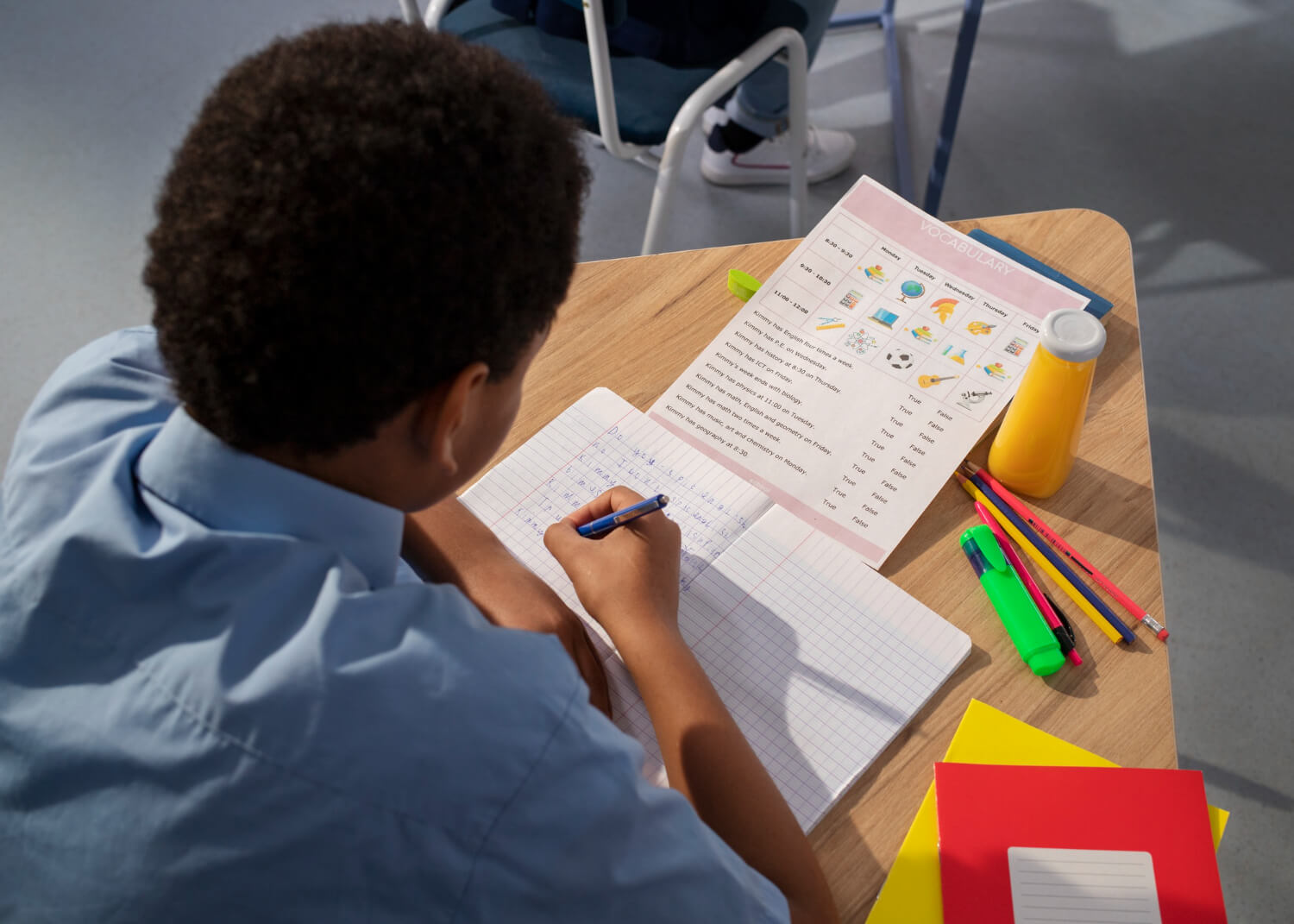
In classrooms around the world, education has undergone a remarkable transformation over the past two decades. Digital technology has changed how students access information, complete assignments, collaborate with classmates, and interact with educational content. Tablets have replaced notebooks in many schools, e-books have become common alternatives to traditional textbooks, and online learning platforms provide instant access to thousands of educational resources.
Despite this digital revolution, one important question continues to spark debate among educators, researchers, parents, and students alike: Do students actually learn better from printed materials than from digital screens?
The answer is more nuanced than simply choosing paper over pixels. While digital resources offer undeniable convenience and flexibility, an increasing body of educational research suggests that printed materials continue to provide significant cognitive advantages, particularly when it comes to comprehension, memory retention, focus, and deep learning.
Let’s explore why printed materials remain an essential part of education—even in an increasingly digital world.
The Rise of Digital Learning
There’s no denying that digital education has revolutionized learning.
Students today can:
- Access thousands of books instantly
- Watch educational videos
- Participate in virtual classrooms
- Highlight text digitally
- Search entire documents in seconds
- Carry hundreds of textbooks on one device
Schools also benefit from lower distribution costs, easier updates, and environmentally conscious initiatives that reduce paper consumption.
During the COVID-19 pandemic, digital learning proved indispensable. Without online platforms and digital textbooks, education would have come to a standstill for millions of students worldwide.
However, convenience doesn’t necessarily equal better learning outcomes.
Reading Is More Than Seeing Words
Learning isn’t simply about reading information. It’s about processing, understanding, remembering, and applying knowledge.
This is where printed materials demonstrate remarkable strengths.
When students read from paper, they interact with physical objects rather than illuminated screens. This seemingly simple difference affects how the brain organizes and stores information.
Researchers have found that physical books create what psychologists sometimes call a mental map of information. Students unconsciously remember that certain facts appeared near the top of a page, on the left side, or close to a particular illustration.
With digital documents—especially those involving endless scrolling—this spatial memory becomes much weaker.
Paper gives information a stable physical location, helping the brain organize knowledge more effectively.
Better Reading Comprehension
One of the most consistently reported findings in educational research is that students often demonstrate better comprehension when reading printed texts.
This difference becomes especially noticeable with:
- Long chapters
- Academic articles
- Literature
- Complex scientific texts
- Historical documents
Printed reading encourages slower, more deliberate engagement.
Students naturally spend more time processing paragraphs instead of rapidly scrolling through content.
Digital environments, by contrast, often encourage skimming.
Because students have become accustomed to consuming short online content—social media posts, headlines, notifications, and quick searches—they frequently transfer these habits to educational reading.
As a result, they may finish reading faster while understanding less.
Deep comprehension requires sustained attention, and printed pages often foster exactly that.
Fewer Digital Distractions
Perhaps the greatest challenge facing modern students isn’t lack of information—it’s an overload of distractions.
When reading on a tablet or laptop, students are only one notification away from losing concentration.
Even when notifications are disabled, digital devices present countless temptations:
- Social media
- Messaging apps
- Online games
- Videos
- Multiple browser tabs
Every interruption forces the brain to refocus.
This process, known as “task switching,” consumes mental energy and reduces learning efficiency.
Printed books eliminate these distractions.
A physical textbook never buzzes with incoming messages.
A printed article doesn’t tempt readers with hyperlinks.
Paper creates an environment that encourages uninterrupted concentration.
For subjects requiring analytical thinking, this uninterrupted focus can significantly improve learning outcomes.
Improved Memory Retention
Learning isn’t complete until information can be recalled later.
Studies frequently suggest that students retain more information after reading printed materials compared to digital texts.
Several factors contribute to this advantage.
Physical interaction
Turning pages creates small physical actions that reinforce memory.
The tactile experience of handling paper adds another layer to the learning process.
Slower pace
Reading on paper naturally encourages a more measured rhythm.
Students pause more often, reflect on ideas, and mentally organize information.
Better annotation
Although digital highlighting has improved considerably, many students still find handwritten notes more memorable.
Writing directly in margins, underlining key ideas with pens, drawing arrows between concepts, and adding personal comments create stronger mental connections.
These physical interactions transform passive reading into active learning.
Reduced Eye Fatigue
Students today spend enormous amounts of time looking at screens.
Between smartphones, computers, televisions, and tablets, many young people accumulate more than eight hours of daily screen exposure.
Extended screen use often causes:
- Eye strain
- Dry eyes
- Headaches
- Blurred vision
- Mental fatigue
These symptoms reduce concentration and motivation.
Printed materials offer a welcome break.
Reading from paper reflects natural light rather than emitting it, making prolonged reading more comfortable for many people.
Although modern e-readers with e-ink displays reduce some of these issues, traditional printed books remain among the most comfortable reading formats for extended study sessions.
Better Performance on Long Exams
Interestingly, the advantages of print often become most apparent during testing.
Students who study from printed materials frequently perform better on examinations involving:
- Critical thinking
- Essay writing
- Long reading passages
- Multi-step reasoning
- Complex problem-solving
This doesn’t mean paper magically increases intelligence.
Instead, the deeper comprehension and stronger memory developed during printed study sessions create a more durable understanding of the material.
Learning becomes less about memorizing isolated facts and more about building interconnected knowledge.
The Psychology of Ownership
Printed books also create a stronger emotional connection.
Students often remember:
- The cover design
- Folded corners
- Sticky notes
- Personal annotations
- Coffee stains from late-night study sessions
These small details create a sense of ownership.
A heavily marked textbook becomes a personal learning journey rather than simply a file stored on a device.
This emotional engagement increases motivation and encourages repeated review.
Digital documents, while highly functional, often feel temporary and interchangeable.
Why Many Students Still Prefer Print
Despite growing up with digital technology, many students continue choosing printed textbooks whenever possible.
Common reasons include:
- Easier concentration
- Better understanding
- Less eye fatigue
- More enjoyable reading
- Better note-taking
- Greater satisfaction after completing chapters
Interestingly, many students believe they learn equally well from screens—until they compare actual test performance.
Educational researchers have repeatedly observed that learners often overestimate their comprehension when reading digitally.
This phenomenon, sometimes called the screen inferiority effect, highlights an important distinction between feeling productive and actually learning effectively.
Digital Learning Still Has Major Advantages
None of this suggests that digital learning should disappear.
Digital resources offer enormous educational benefits.
They provide:
- Instant access to updated information
- Interactive simulations
- Video demonstrations
- Accessibility tools for students with disabilities
- Built-in dictionaries
- Translation features
- Multimedia learning experiences
- Remote collaboration
- Lower distribution costs
For many subjects, especially technology, engineering, programming, and multimedia design, digital resources are indispensable.
Online platforms also make education more accessible for students living in remote areas.
The goal isn’t replacing digital learning—but using it wisely.
The Best Approach Is a Balanced One
Rather than viewing print and digital as competitors, educators increasingly recommend combining both formats.
A balanced educational strategy might include:
Printed materials for:
- Core textbooks
- Literature
- Research papers
- Long-form reading
- Exam preparation
- Note-taking
- Reflective study
Digital resources for:
- Interactive exercises
- Educational videos
- Collaboration
- Online research
- Practice quizzes
- Multimedia content
- Real-time updates
Each format supports different learning objectives.
When used together, they create richer educational experiences than either could alone.
What This Means for Schools and Universities
Educational institutions face important decisions when designing future classrooms.
Completely abandoning printed materials may not produce the learning improvements many expect.
Instead, schools should carefully consider:
- The age of students
- Subject complexity
- Learning objectives
- Reading length
- Attention requirements
- Accessibility needs
Young children learning foundational reading skills often benefit tremendously from printed books.
University students tackling dense academic texts likewise continue to gain advantages from physical reading.
Technology should enhance learning—not replace proven educational methods.
Publishers Continue to Play a Vital Role
Educational publishers are uniquely positioned to support both traditional and digital learning.
Modern publishing increasingly focuses on creating integrated educational ecosystems where printed textbooks are complemented by digital resources rather than replaced by them.
A high-quality educational publication today might include:
- Beautifully designed printed textbooks
- Companion websites
- Interactive exercises
- QR codes linking to videos
- Downloadable worksheets
- Teacher guides
- Online assessments
Print remains the foundation, while digital expands the learning experience.
This hybrid model recognizes that effective education depends not on choosing one medium over another, but on selecting the right tool for each learning task.
Conclusion
The debate over printed versus digital learning is unlikely to end anytime soon. Technology will continue to evolve, bringing new educational possibilities and increasingly sophisticated digital tools. Yet the enduring value of printed materials remains clear.
Printed books and educational resources offer unique cognitive benefits that are difficult to replicate on screens. They encourage deeper reading, improve comprehension, strengthen memory, reduce distractions, and foster sustained concentration. These qualities are especially valuable in an age where constant digital stimulation competes for students’ attention.
At the same time, digital learning has transformed education in powerful and positive ways, making knowledge more accessible, interactive, and adaptable than ever before. Rather than replacing print, digital resources are most effective when they complement traditional materials.
Ultimately, the most successful learning environments are those that embrace the strengths of both formats. A thoughtfully designed combination of printed books and digital tools gives students the best opportunity to develop critical thinking, retain information, and engage meaningfully with their studies.
As educators, publishers, and institutions continue shaping the future of education, one lesson remains timeless: the medium matters, but meaningful learning depends on how well that medium supports understanding, curiosity, and long-term knowledge. Printed materials continue to excel in these areas, ensuring that they will remain an indispensable part of education for generations to come.