


In an increasingly digital world, where children encounter screens from their earliest years, the importance of printed materials in early childhood education remains a topic of significant discussion. Tablets, interactive applications, and digital learning platforms have introduced new opportunities for teaching and engagement, but print continues to hold a unique and irreplaceable role in how young children learn, develop cognitive skills, and build a relationship with knowledge.
From picture books and alphabet cards to activity books, coloring pages, and classroom worksheets, printed materials create a physical connection between children and learning. They encourage exploration, concentration, creativity, and independence in ways that digital tools often cannot fully replicate. For early learners, print is not simply a medium for delivering information—it is a foundation for developing literacy, imagination, and critical thinking.
Building Early Literacy Skills Through Print
One of the most important roles of printed materials in early childhood education is supporting the development of literacy skills. Learning to read is a complex process that begins long before children recognize words. It starts with understanding that symbols carry meaning, that letters represent sounds, and that books follow a specific structure.
Printed books introduce children to these concepts naturally. When a child holds a picture book, turns its pages, and follows text from left to right, they begin to understand how written language works. They learn that stories have beginnings, middles, and endings, and they become familiar with the relationship between images and words.
Physical books also help children develop what educators call “print awareness”—the understanding that printed text has purpose and follows certain rules. Recognizing letters, identifying words, and understanding sentence structures all begin with repeated exposure to printed materials.
For young children, the experience of reading a physical book with a parent, teacher, or caregiver is especially valuable. The shared act of looking at pages together creates opportunities for conversation, questions, and emotional connection. These interactions strengthen language development and help children associate books with curiosity and enjoyment.
The Cognitive Benefits of Physical Learning Materials
Research into learning methods increasingly highlights the cognitive advantages of engaging with physical materials. Young children learn through their senses, and printed resources provide a tactile experience that digital screens cannot completely reproduce.
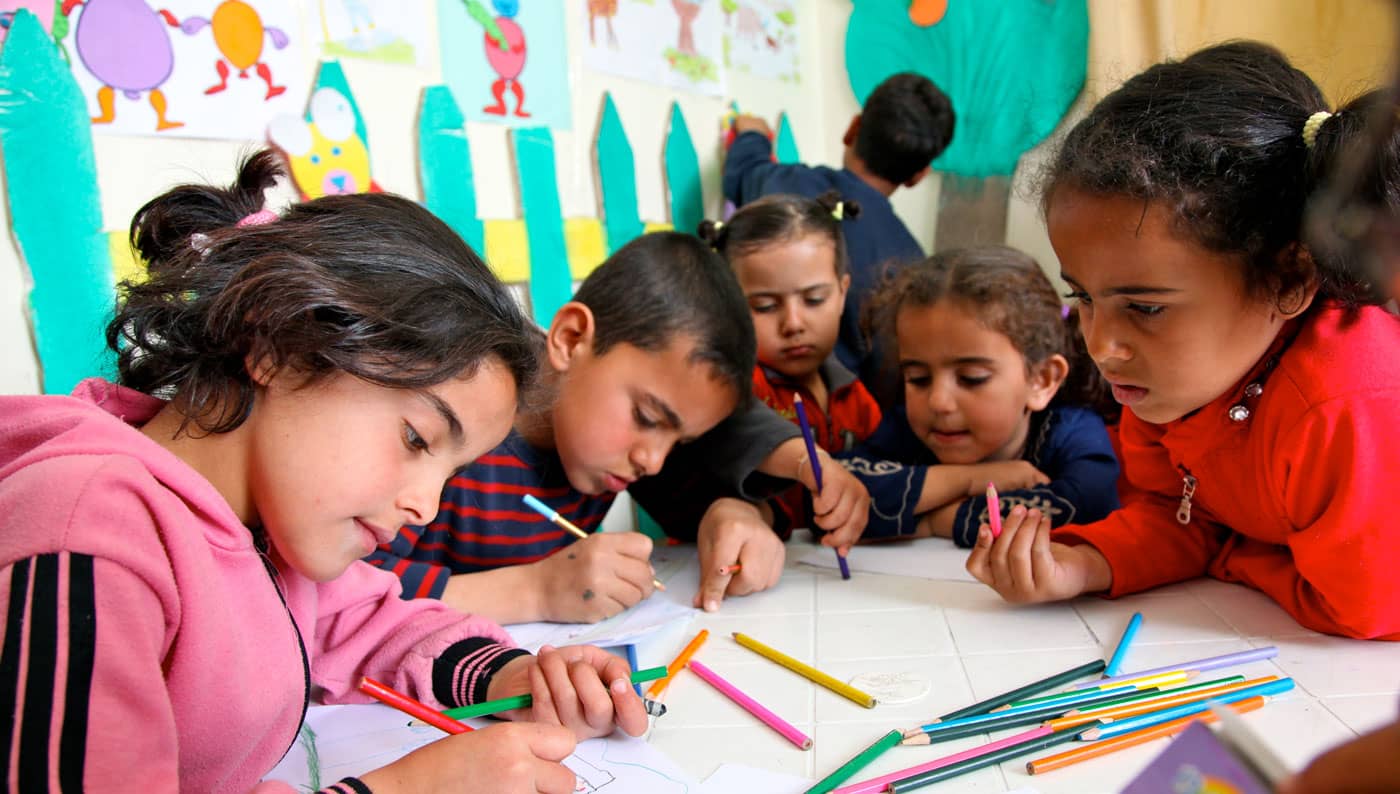
When children use printed worksheets, activity books, or educational cards, they actively engage their hands and minds at the same time. Writing letters, tracing shapes, coloring illustrations, matching objects, or completing puzzles require fine motor skills and concentration. These activities strengthen coordination between visual perception and physical movement.
For example, when a child practices writing their name on paper, they are not only memorizing letters. They are developing hand control, spatial awareness, and memory. The physical movement involved in writing helps reinforce learning and creates stronger associations between symbols and meanings.
Printed materials also encourage slower, more focused learning. Digital devices often include animations, sounds, and interactive elements designed to capture attention. While these features can be useful, they may also create distractions. A printed page allows children to focus on one task at a time, helping them develop patience and attention span.
Encouraging Imagination and Creativity
Children’s books are among the most powerful tools for stimulating imagination. A beautifully illustrated storybook does more than teach vocabulary—it invites children to create mental images, imagine different worlds, and develop emotional understanding.
Unlike videos or animated content that provide ready-made visuals, printed books leave room for interpretation. A child looking at an illustration can imagine what happens next, create their own version of a story, or interpret characters in personal ways. This process strengthens creativity and independent thinking.
Printed creative materials such as drawing books, storytelling cards, and craft activities also give children opportunities to express themselves. A blank page becomes a space where ideas can take shape. Whether children draw their own stories, complete creative exercises, or write simple sentences, print becomes a tool for self-expression.
Developing Independence and Confidence
Early childhood education is not only about acquiring knowledge—it is also about helping children become confident and independent learners. Printed materials support this goal by allowing children to interact with learning at their own pace.
A child can choose a book, explore a page, repeat an activity, or return to a favorite story whenever they want. Unlike digital platforms that often guide users through predetermined steps, printed materials give children more freedom to make choices.
Activity books and workbooks are particularly effective in encouraging independence. Completing a page, solving a puzzle, or practicing a skill gives children a sense of achievement. They can see their progress physically: completed pages, drawings, and written exercises become visible evidence of their efforts.
This sense of accomplishment plays an important role in building motivation. Children learn that effort leads to improvement, and they begin to develop positive attitudes toward learning.
The Importance of Printed Materials in Classroom Environments
In early childhood classrooms, printed resources remain essential tools for teachers. They provide structure, organization, and flexibility in educational activities.
Teachers use printed materials to introduce new concepts, reinforce lessons, and adapt activities to different learning levels. Worksheets, flashcards, posters, and illustrated materials can support different teaching approaches and accommodate various learning styles.
Visual print materials displayed in classrooms also create an environment that encourages learning. Alphabet posters, number charts, maps, and educational illustrations surround children with information and create constant opportunities for discovery.
Printed materials are also valuable because they do not depend on technology. A book or worksheet does not require electricity, internet access, software updates, or technical support. This makes print a reliable educational resource in classrooms everywhere, including communities where access to digital tools may be limited.
Print and Emotional Development
Books play a significant role not only in academic development but also in children’s emotional growth. Stories help young learners understand feelings, relationships, challenges, and different perspectives.
Through printed stories, children meet characters who experience emotions similar to their own. A story about friendship can help a child understand kindness and cooperation. A story about overcoming difficulties can teach resilience and confidence.
The physical presence of a book can also create feelings of comfort and security. Many children develop emotional connections with favorite books, returning to familiar stories because they provide a sense of stability and joy.
Supporting Parent-Child Learning at Home
Printed materials also strengthen learning outside the classroom. Parents and caregivers often use books and educational resources to create meaningful learning experiences at home.
Reading together before bedtime, completing a puzzle book during the weekend, or exploring an illustrated encyclopedia can become important family routines. These moments encourage communication and create positive associations with education.
Unlike digital devices, which are often used individually, printed materials naturally encourage shared experiences. A parent and child can sit together, discuss pictures, ask questions, and explore ideas side by side.
The Future of Print in a Digital Age
The discussion about print versus digital learning does not have to be a competition. The future of education will likely involve a combination of both approaches. Digital tools offer valuable opportunities for interactive learning, accessibility, and personalized education, while print provides unique benefits related to focus, memory, creativity, and emotional connection.
For early childhood education, balance is essential. Young children need opportunities to explore technology, but they also need experiences that involve physical interaction, imagination, and hands-on learning. Printed books, worksheets, and educational materials continue to provide these important experiences.
As educational methods evolve, print remains a powerful and adaptable tool. New printing technologies, creative design approaches, and innovative educational publishing continue to make printed materials more engaging and effective. Personalized workbooks, interactive activity books, and beautifully designed children’s publications demonstrate that print can continue to evolve alongside modern education.
Conclusion
The role of print in early childhood education extends far beyond traditional books and worksheets. Printed materials support literacy development, cognitive growth, creativity, independence, and emotional understanding. They provide children with opportunities to explore ideas through touch, imagination, and personal interaction.
In the first years of life, when children are building the foundations of how they think, communicate, and understand the world, print offers a unique learning experience. It encourages curiosity, patience, and discovery—qualities that remain essential throughout a child’s educational journey.
Even in a digital era, the printed page continues to be a valuable companion in childhood learning. It reminds us that education is not only about receiving information but about experiencing knowledge in meaningful and memorable ways. For generations of young learners, books and printed materials have opened doors to imagination and understanding—and they will continue to do so in the future.