


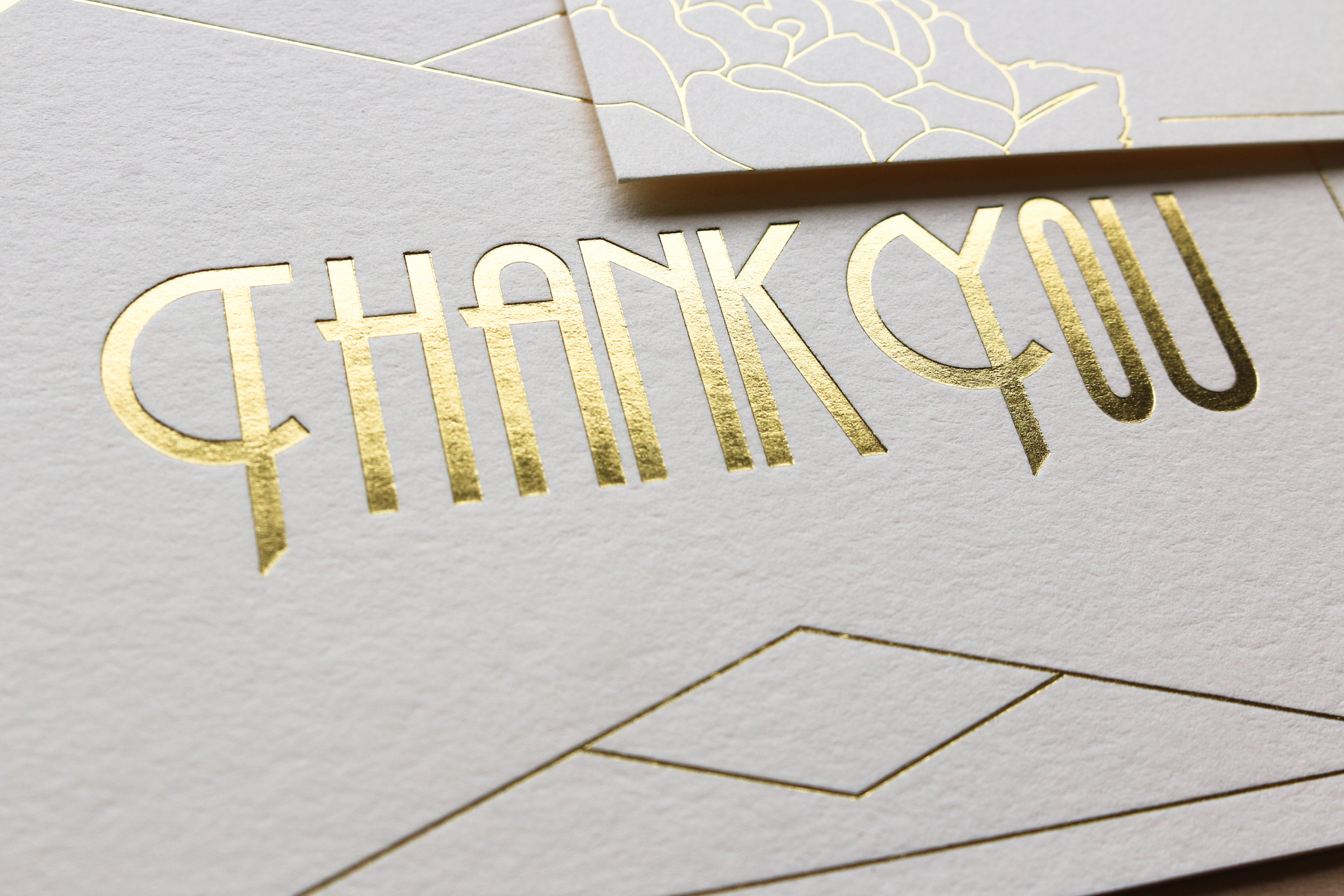
In today’s highly visual world, printed materials are expected to do more than simply communicate information. Businesses, designers, publishers, and brands all compete for attention in crowded markets where first impressions matter enormously. While digital media dominates many aspects of communication, print continues to hold a unique power — especially when enhanced with premium finishing techniques that create texture, shine, depth, and tactile experiences.
This is where special printing techniques come into play.
Techniques such as foil stamping, embossing, and spot UV coating can transform ordinary printed materials into sophisticated, memorable, and luxurious products. Whether used on business cards, packaging, invitations, book covers, brochures, menus, or product labels, these finishing methods elevate print from functional to exceptional.
In this article, we will explore what these techniques are, how they work, their advantages, common applications, and how designers can use them effectively to create impactful print products.
Why Special Printing Finishes Matter
People interact with printed materials differently than they interact with screens. Print is physical. It can be touched, felt, tilted toward the light, and experienced in multiple sensory ways. Special finishes take advantage of this physicality.
A well-designed premium finish can:
- Increase perceived value
- Strengthen brand identity
- Improve visual impact
- Create memorable customer experiences
- Differentiate products from competitors
- Highlight important design elements
- Add elegance and professionalism
Luxury brands, hospitality companies, cosmetics manufacturers, publishers, and event planners frequently use specialty finishes because they immediately communicate quality and attention to detail.
Even subtle finishing details can dramatically influence how a customer perceives a brand or product.
What Is Foil Stamping?
Understanding the Process
Foil stamping is a printing technique that applies metallic or pigmented foil onto a surface using heat and pressure. Unlike traditional ink printing, foil stamping uses a thin layer of foil that is transferred onto paper or other materials through a heated metal die.
The result is a reflective, eye-catching finish that instantly attracts attention.
Although gold and silver are the most common foil colors, foil stamping is available in many varieties, including:
- Copper
- Rose gold
- Holographic
- Matte metallic
- Gloss metallic
- Black foil
- White foil
- Colored foils
Foil stamping can be applied to various surfaces, including:
- Paper
- Cardboard
- Leather
- Plastic
- Fabric
Types of Foil Stamping
Metallic Foil
The most recognizable type. It creates a shiny, luxurious metallic effect commonly used for logos, titles, and packaging.
Pigment Foil
Provides solid colors without metallic shine. Useful for elegant minimalist designs.
Holographic Foil
Creates rainbow-like reflective effects and is often used for high-end packaging or security features.
Matte Foil
Offers a softer, more subtle premium appearance compared to glossy metallic foil.
Advantages of Foil Stamping
1. Luxury Appearance
Foil instantly creates a premium visual effect associated with elegance and sophistication.
2. Strong Visual Contrast
Metallic reflections stand out against matte or textured paper surfaces.
3. Durability
Foil does not fade as easily as traditional ink and maintains its appearance over time.
4. Brand Recognition
Foil-stamped logos and packaging are highly memorable and visually distinctive.
Common Uses of Foil Stamping
Foil stamping is frequently used for:
- Business cards
- Wedding invitations
- Luxury packaging
- Wine labels
- Cosmetics packaging
- Book covers
- Certificates
- Menus
- Greeting cards
- Premium brochures
Luxury industries particularly favor foil because it communicates exclusivity and craftsmanship.
What Is Embossing?
Understanding Embossing
Embossing is a technique that creates a raised three-dimensional design on paper or other materials. This effect is achieved by pressing the material between specially made dies that reshape the surface.
Unlike foil stamping, embossing focuses primarily on texture and dimension rather than shine.
When you run your fingers over embossed text or graphics, you can physically feel the raised surface.
This tactile experience makes embossing especially powerful in premium print design.
Types of Embossing
Single-Level Embossing
Creates a consistent raised height across the design.
Multi-Level Embossing
Uses different depths and heights to produce more detailed dimensional effects.
Sculptured Embossing
Creates highly detailed, almost sculptural textures and shapes.
Debossing
The opposite of embossing. Instead of raising the design, the image is pressed inward into the material.
Debossing is often used for minimalist luxury branding.
Advantages of Embossing
1. Tactile Experience
Embossing adds physical texture that users can feel, making the printed piece more interactive and memorable.
2. Elegant Minimalism
Even without color or foil, embossing can create a sophisticated appearance.
3. Increased Perceived Quality
Raised surfaces naturally feel more expensive and carefully crafted.
4. Subtle Branding
Embossing allows logos and design elements to stand out without overwhelming the design.
Common Uses of Embossing
Embossing is popular for:
- Luxury business cards
- Book covers
- Diplomas and certificates
- Packaging
- Stationery
- Invitations
- Corporate identity materials
- Restaurant menus
Many designers combine embossing with foil stamping for even greater visual impact.
What Is Spot UV?
Understanding Spot UV Coating
Spot UV is a finishing technique where a glossy ultraviolet coating is applied to selected areas of a printed surface.
Unlike full UV coating, which covers the entire page, spot UV highlights specific design elements.
The coating is cured instantly using ultraviolet light, creating a shiny and reflective surface that contrasts with the surrounding material.
Spot UV is especially effective on matte backgrounds because the gloss contrast becomes highly visible.
How Spot UV Works
The process typically involves:
- Printing the design normally
- Applying a UV-sensitive coating only to selected areas
- Exposing the coating to ultraviolet light
- Instantly curing and hardening the glossy finish
This selective gloss creates striking visual depth.
Advantages of Spot UV
1. High Contrast
Spot UV creates dramatic contrast between matte and glossy surfaces.
2. Modern Aesthetic
The finish looks sleek, clean, and contemporary.
3. Attention Direction
Designers can use spot UV to draw attention to logos, text, or images.
4. Enhanced Durability
The UV coating adds some resistance against scratches and wear.
Common Uses of Spot UV
Spot UV is frequently used for:
- Magazine covers
- Product packaging
- Business cards
- Brochures
- Book covers
- Promotional materials
- Presentation folders
It is particularly popular in modern corporate branding and premium retail packaging.
Combining Techniques for Maximum Impact
One of the most powerful aspects of specialty printing is the ability to combine techniques.
Designers often layer foil stamping, embossing, and spot UV together to create extraordinary results.
For example:
- A logo may be foil stamped and embossed simultaneously
- Matte black packaging may feature gloss spot UV patterns
- Invitations may combine gold foil with deep embossing
- Book covers may use debossed typography with spot UV accents
These combinations create rich sensory experiences involving light, texture, and contrast.
However, successful combinations require careful design planning. Too many effects can overwhelm the design and reduce readability.
Balance is essential.
Design Tips for Using Specialty Finishes
1. Keep the Design Clean
Special finishes work best when used strategically. Overusing them can make the design feel cluttered.
Minimalist layouts often produce the strongest premium effect.
2. Consider Paper Choice
Paper stock dramatically affects the final appearance.
For example:
- Soft-touch matte paper enhances spot UV contrast
- Thick cotton paper works beautifully with embossing
- Dark paper stocks make metallic foil stand out more
Paper and finishing should always be planned together.
3. Focus on Key Elements
Use specialty finishes to emphasize:
- Logos
- Titles
- Brand names
- Important graphics
- Decorative patterns
Selective application creates stronger visual hierarchy.
4. Understand Production Limitations
Very thin lines or tiny details may not reproduce well with embossing or foil.
Designers should work closely with printers to ensure technical feasibility.
5. Request Physical Samples
Specialty finishes can look very different in person compared to digital mockups.
Testing materials and requesting prototypes helps avoid costly mistakes.
Cost Considerations
Special printing techniques generally cost more than standard printing because they require:
- Additional production steps
- Specialized equipment
- Custom metal dies
- Extra setup time
- Premium materials
However, the added value often justifies the investment.
For luxury brands and premium products, specialty finishes can significantly improve customer perception and brand positioning.
In many cases, spending slightly more on high-quality finishing produces stronger marketing results than increasing print quantity.
Sustainability and Specialty Printing
As sustainability becomes increasingly important, many printing companies now offer eco-conscious specialty finishing options.
These include:
- Recyclable foils
- Water-based UV coatings
- Sustainable paper stocks
- Environmentally friendly adhesives
- FSC-certified materials
Brands can now achieve premium aesthetics while maintaining environmentally responsible production practices.
Designers should discuss sustainability options with their print providers during the planning stage.
The Future of Print Finishing
Specialty printing continues to evolve with new technologies and creative possibilities.
Recent innovations include:
- Digital foil applications
- 3D UV textures
- Variable-data foil personalization
- Soft-touch coatings
- Interactive tactile printing
- Sustainable luxury finishes
As print competes with digital media, tactile and sensory experiences become even more valuable.
People increasingly appreciate physical objects that feel unique, crafted, and immersive.
This ensures that premium finishing techniques will remain highly relevant in modern print design.
Conclusion
Foil stamping, embossing, and spot UV are far more than decorative additions. They are powerful communication tools that influence perception, create emotional engagement, and elevate the quality of printed materials.
Foil stamping adds brilliance and luxury through reflective metallic finishes. Embossing creates tactile depth and physical interaction. Spot UV introduces contrast, shine, and modern sophistication.
When used thoughtfully, these techniques transform ordinary print into memorable visual experiences that leave lasting impressions.
In a world filled with digital noise, tactile print finishes offer something increasingly rare: a physical connection between the audience and the design.
That connection is what makes specialty printing so powerful.