


Imagine walking through a city and seeing the same face on a wall outside a theatre, on a fence near the station, and beside the entrance to a café. You might not know the performer’s name yet, but by the end of the week, you would recognize them. If friends began talking about the show, you might even feel that you were late to something everyone else had discovered.
That is how a poster could help create a cultural trend. It did more than announce an event. It put an image into public view, repeated it across a city, and gave people something to recognize and discuss.
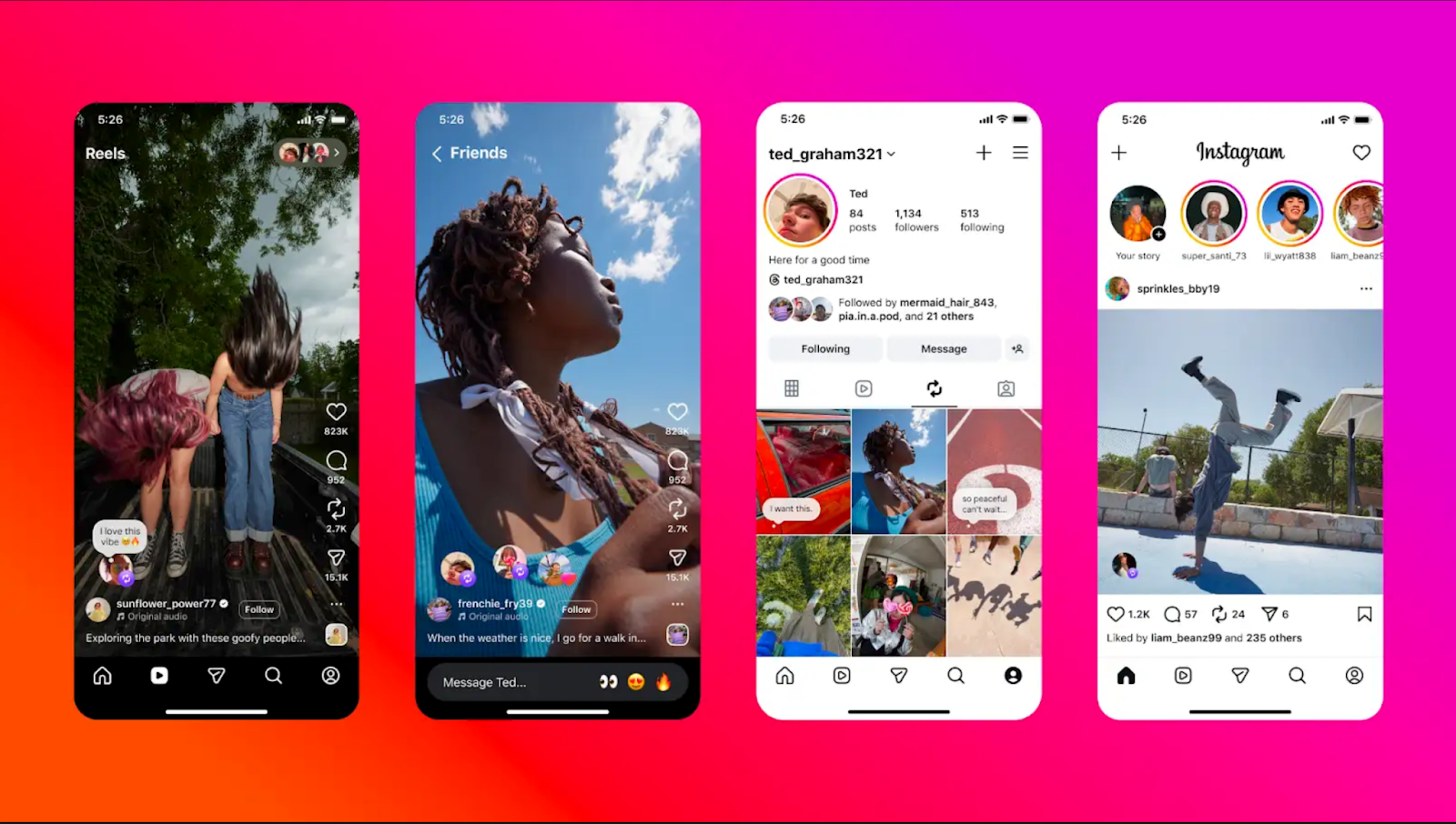
Today, Instagram can introduce us to a singer, a style of clothing, or a place to visit within seconds. Before the feed, posters did some of that work on the street.
The street was a shared visual space
A poster could reach people who had never asked to see it. Someone walking to work might pass an advertisement for a concert every morning. A group of friends could notice a striking theatre poster while deciding where to spend the evening. Unlike a newspaper advertisement, a poster remained visible between encounters. People could return to it, point it out, and use it as a meeting place.
Printing developments made this possible on a larger scale. Lithography helped the modern poster develop during the nineteenth century, while advances in colour printing gave artists more ways to attract attention. Posters became part of the visual experience of city life. Research Guides at Library of Congress
That visibility mattered. A new performance could feel familiar before a person had seen it. Repetition made an image recognizable; recognition made the event easier to talk about. Posters helped turn individual curiosity into a sense of public excitement.
Posters made performers into recognizable figures
In late nineteenth-century Paris, entertainment venues competed for audiences. Posters gave performers a presence beyond the stage. Henri de Toulouse-Lautrec’s designs for dancers, singers, and cabarets captured distinctive gestures, silhouettes, and personalities. His work helped promote Montmartre entertainers to a wider public. The Metropolitan Museum of Art
Consider his poster for dancer Jane Avril. Its bold colours and energetic composition suggest movement before the viewer has seen her perform. A passerby did not need to read a long description of the show to form an impression. The image offered a character to remember. The Metropolitan Museum of Art
This is one of the poster’s great strengths: it could make an artist identifiable at a glance. A face, a costume, a pose, or a colour scheme became a public shorthand. Once people recognized that image, they could spot it again, mention it to someone else, and connect it with a venue or performance. The poster helped build anticipation before the curtain rose.
They sold a feeling as much as an event
An effective poster rarely relied on information alone. It suggested what it would feel like to attend. A lively dance hall poster promised energy and company. A travel poster could make a destination seem elegant or adventurous. A film poster might offer mystery, romance, or danger in a single scene.
The facts still mattered: a title, a place, a date. But the emotional impression made someone stop walking long enough to read them. Designers had to work quickly for an audience in motion. Strong shapes, limited text, and memorable colour could communicate from across the street.
Those choices also influenced taste. When people repeatedly encountered a visual style in advertisements, it became associated with a particular kind of modern life. The Victoria and Albert Museum describes how Art Nouveau spread through posters, including the work of Alphonse Mucha. An advertisement could therefore do two things at once: promote its subject and help popularize the look used to promote it. V&A
Trends grew through repetition and conversation
A poster could start a conversation, but people carried the trend further. They saw the image, talked about it, attended the event, and told others what they thought. Some came away with a programme or a printed souvenir. Others simply remembered the picture on the wall.
This process did not guarantee success. A beautiful poster could promote a disappointing show, and a great performance could grow through word of mouth without a famous design. Still, posters gave cultural events a public identity. They made it easier for people to recognize that they were discussing the same thing.
The poster also reached beyond paying audiences. Someone who never entered a cabaret could still know the names and appearances of its stars. Someone who could not afford a particular journey could still absorb the dream presented by a travel advertisement. Posters let people encounter cultural ambitions, fashions, and ideas in everyday space.
The design could outlive the campaign
Most posters were made for a practical purpose and a limited time. A show would close; a product would change; a wall would be covered by the next advertisement. Yet some designs remained compelling after their original message had expired.
Toulouse-Lautrec’s Moulin Rouge: La Goulue, for example, began as a large advertisement for a dance hall. It is now held and studied as a work of art. The Metropolitan Museum of Art
That shift says something about posters’ cultural power. They record what an era wanted people to notice. Their images show how performers presented themselves, how places attracted visitors, and what kinds of beauty or excitement advertisers believed an audience desired. Looking at an old poster, we see both the campaign and the world around it.
From the wall to the feed
Instagram has changed the speed and scale of visual culture. An image can travel across borders immediately, and audiences can respond, remix, and share it. A printed poster moved differently. It occupied a particular street, reached the people who passed through it, and gained force through repeated encounters.
Yet the central challenge remains familiar: how do you make someone pause, remember, and tell another person?
Posters answered with powerful images in shared spaces. Long before a trend appeared on a screen, it could begin with a picture pasted to a wall—and with someone stopping to look.