


There is a particular thrill that comes when a story turns against itself—when a character’s confident declaration echoes hollowly only pages later, when a heroic quest reveals a deeper futility, when a tragic ending exposes the absurdity of human certainty. This thrill is born of irony. Subtle or savage, playful or devastating, irony is one of literature’s most refined and enduring artistic tools. It is the art of saying one thing and meaning another, of staging an event that contradicts expectations, of allowing readers to know more than characters do—or sometimes less.
From ancient epics to postmodern novels, irony has shaped the emotional and intellectual experience of reading. It invites us to look beyond the surface, to question appearances, and to recognize the fragile distance between intention and outcome. In world literature, irony is not merely a rhetorical device; it is a philosophical stance, a lens through which human existence is examined.
The Origins of Irony: Ancient Voices
Irony’s literary roots stretch back to antiquity. In the plays of Sophocles, dramatic irony becomes a central structural force. In Oedipus Rex, the audience knows that Oedipus himself is the source of the plague afflicting Thebes long before he does. Each vow he makes to punish the guilty party tightens the tragic noose around his own neck. The power of the play lies not only in its events but in the tension between knowledge and ignorance. The audience’s awareness transforms Oedipus’s confidence into heartbreak.
Similarly, in the Odyssey, attributed to Homer, situational irony permeates the hero’s journey. Odysseus, famed for his cunning, survives precisely because he understands the irony of identity. He calls himself “Nobody” before blinding Polyphemus—an ironic maneuver that turns language itself into a weapon. In ancient literature, irony is inseparable from fate and the gods; human beings act in confidence, unaware of the larger design.
Shakespeare and the Theater of Irony
If classical tragedy refined dramatic irony, William Shakespeare elevated it into an art form of astonishing psychological depth. In Romeo and Juliet, the audience knows Juliet is not truly dead, yet Romeo does not. His tragic misunderstanding—an irony of timing and knowledge—drives the final catastrophe. The emotional devastation arises precisely because we see the solution that the characters cannot.
In Hamlet, irony becomes existential. Hamlet speaks in riddles, mocks appearances, and stages a play within the play to expose truth. His ironic detachment is both a weapon and a prison. Shakespeare’s irony is not merely structural; it reveals the contradictions within the human soul. Kings are fools, fools are wise, loyalty masks betrayal. Irony becomes a mirror reflecting the instability of identity and power.
Satire and Social Irony
As literature moved into the Enlightenment and beyond, irony became a tool of social critique. Few works exemplify this better than Candide by Voltaire. The novel relentlessly mocks philosophical optimism through exaggerated disasters. Candide’s mentor insists that this is “the best of all possible worlds,” even as war, disease, and injustice surround them. The irony lies in the stark contrast between ideology and lived reality. By presenting absurd optimism in the face of horror, Voltaire exposes the naivety of blind faith in rational systems.
In the 19th century, irony deepened into psychological and moral complexity. In Pride and Prejudice by Jane Austen, verbal irony becomes a defining narrative voice. The famous opening line—“It is a truth universally acknowledged…”—is both sincere in tone and satirical in implication. Austen’s irony gently exposes social conventions, romantic illusions, and personal prejudices. Her characters misunderstand themselves and others, and through that misunderstanding, readers are invited to perceive the truth.
Irony in the Age of the Novel
The rise of the modern novel expanded irony into new philosophical territories. In Madame Bovary by Gustave Flaubert, irony emerges from the gap between Emma Bovary’s romantic fantasies and her provincial reality. She imagines her life as a grand, passionate narrative, yet her choices lead to banal disappointment. Flaubert’s detached narrative voice intensifies the irony, forcing readers to confront the dangers of self-deception.
Similarly, in War and Peace by Leo Tolstoy, historical irony permeates the portrayal of Napoleon’s invasion of Russia. Grand ambitions collapse before unpredictable forces. Individuals believe themselves to be shaping history, yet they are swept along by currents beyond their control. Tolstoy’s irony questions the myth of the “great man” and reveals the illusion of mastery over destiny.
In the works of Fyodor Dostoevsky, irony becomes existential and moral. Characters in novels such as Crime and Punishment articulate grand theories about morality and superiority, only to find themselves undone by guilt and psychological torment. Dostoevsky’s irony is deeply internal: it lies in the contradiction between self-image and inner truth.
Modernism and the Fragmented World
The 20th century intensified irony in response to war, industrialization, and disillusionment. In The Metamorphosis by Franz Kafka, the absurd premise—Gregor Samsa awakening as an insect—is treated with mundane seriousness. The true irony is not his transformation, but his family’s practical concern about finances. Kafka uses irony to reveal alienation and the bureaucratic coldness of modern life.
George Orwell employs biting political irony in 1984. The slogans of the Party—“War is Peace,” “Freedom is Slavery”—are deliberate contradictions that illustrate the manipulation of language. Orwell demonstrates how irony can be weaponized by power itself. What was once a literary device becomes a political strategy, exposing how easily truth can be inverted.
Meanwhile, in The Trial, Kafka’s labyrinthine legal system embodies cosmic irony. The protagonist seeks justice but is trapped in an opaque structure that defies reason. The irony here is existential: the more one seeks clarity, the deeper the confusion grows.
Postmodern Playfulness and Irony
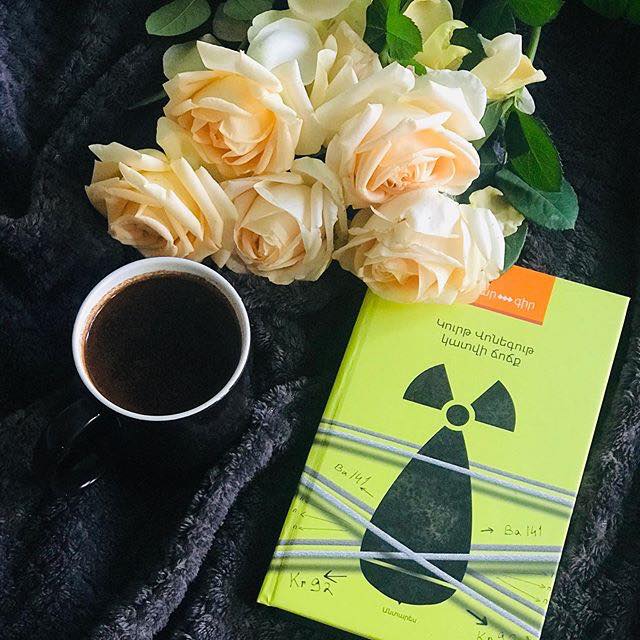
By the late 20th century, irony became both playful and self-aware. Writers began to question narrative authority itself. In Slaughterhouse-Five by Kurt Vonnegut, the repeated phrase “So it goes” follows each death, flattening tragedy into routine. This refrain is ironic in its understatement. It reflects both numbness and protest against the absurdity of war.
Postmodern irony often dismantles grand narratives. It refuses certainty. Authors blend genres, disrupt chronology, and challenge readers’ expectations. Irony becomes not only a stylistic device but a worldview—one that doubts absolute truths and celebrates ambiguity.
Cultural Variations of Irony
Irony is not confined to Western traditions. In Japanese literature, subtle irony often underscores themes of impermanence and social restraint. In Latin American magical realism, ironic contrasts between myth and reality shape narrative texture. African and Middle Eastern storytelling traditions frequently employ ironic proverbs and parables, using apparent contradictions to convey moral wisdom.
Across cultures, irony serves as a bridge between spoken and unspoken truths. It thrives in societies where direct expression may be limited—politically or socially—offering writers a veiled means of critique.
Why Irony Endures
Why does irony remain so central to literature? Perhaps because human life itself is profoundly ironic. We plan carefully yet encounter unpredictability. We define ourselves by roles that may dissolve. We believe we understand others—and ourselves—until events prove otherwise.
Irony respects the intelligence of the reader. It requires participation, interpretation, and emotional awareness. It invites us to perceive layers of meaning and to accept that truth is rarely singular. At its best, irony does not mock human weakness cruelly; it illuminates it compassionately.
In tragedy, irony heightens sorrow. In comedy, it sharpens wit. In satire, it exposes hypocrisy. In modern fiction, it questions the foundations of reality itself. The art of irony lies in balance: too heavy-handed, and it becomes cynicism; too subtle, and it disappears. The greatest writers achieve precision, allowing irony to unfold naturally from character, language, and circumstance.
Ultimately, irony is a testament to literature’s power to reflect complexity. It reminds us that appearances deceive, that certainty is fragile, and that meaning often resides in contradiction. From the ancient stage of Sophocles to the fragmented narratives of modernity, irony continues to shape how stories are told—and how we understand the world they reveal.
In recognizing irony, we become not only better readers but more attentive observers of life itself.