


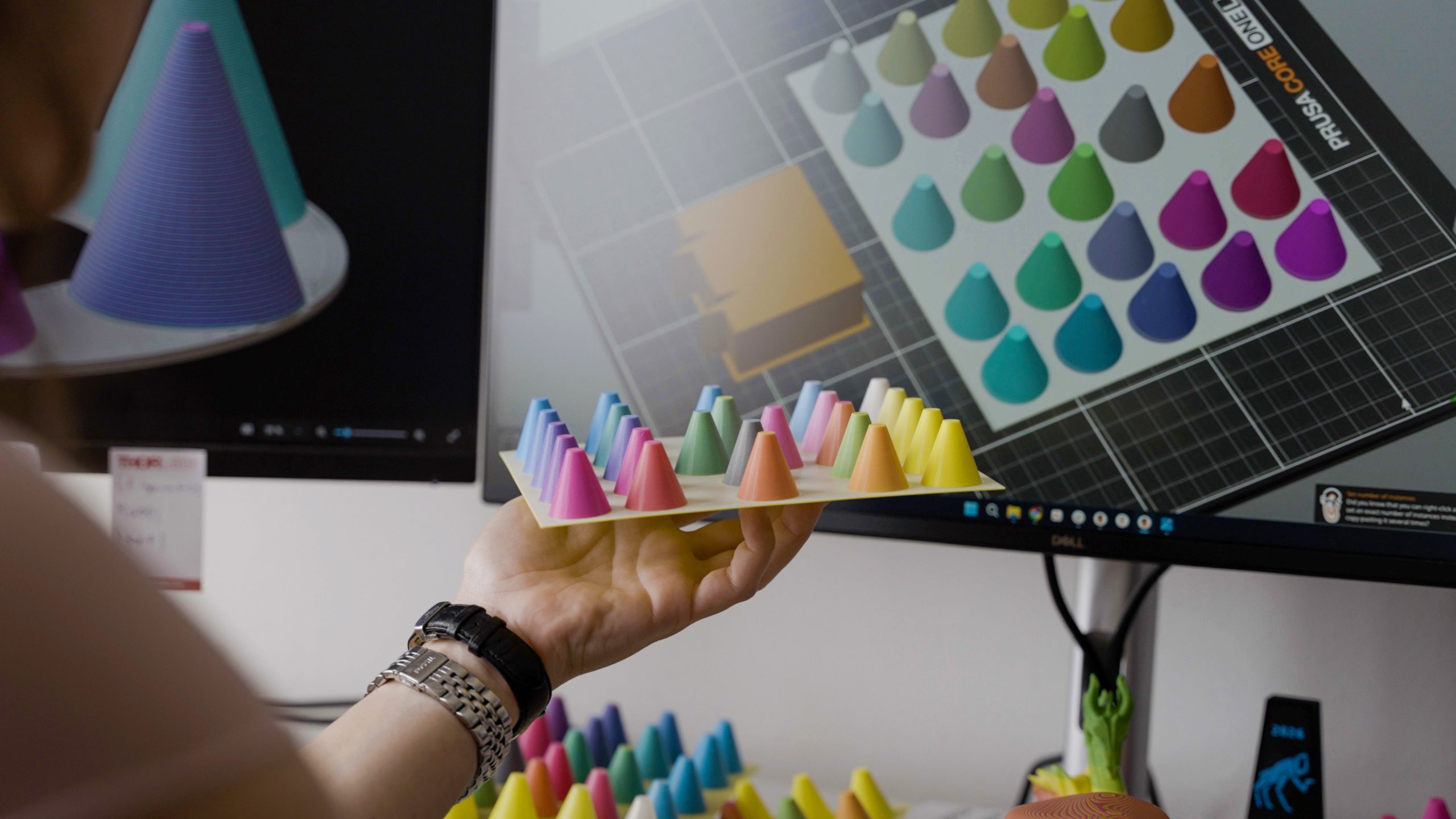
In an increasingly digital world, where information is consumed through screens and communication often happens with a tap or swipe, printed materials continue to hold a unique and powerful place in human experience. From books and magazines to brochures, business cards, packaging, and photographs, printed objects create emotional connections that digital media often struggles to replicate.
The enduring value of print is not simply about tradition or nostalgia. It is rooted in human psychology, sensory perception, memory formation, and emotional engagement. Holding a printed object is a physical experience that activates multiple senses and creates a lasting impression. This is why, despite the rise of digital communication, brands, publishers, artists, and individuals continue to invest in high-quality printed materials.
Understanding the emotional impact of print helps explain why tangible objects remain relevant and influential in both personal and professional contexts.
The Power of Touch
One of the most significant differences between print and digital media is touch.
A digital article, advertisement, or photograph exists behind a screen. While it may be visually appealing, it lacks physical presence. A printed object, however, can be held, turned, folded, examined, and even smelled. These tactile interactions create a stronger sensory experience.
Research in consumer psychology consistently shows that touch influences emotional attachment. When people physically interact with an object, they develop a greater sense of ownership and connection. This phenomenon, often referred to as the “endowment effect,” suggests that people value things more highly when they can physically engage with them.
The weight of a book, the texture of premium paper, the embossing on a business card, or the smooth finish of luxury packaging all contribute to emotional perception. These details communicate quality, care, and authenticity without a single word being read.
A well-produced printed object becomes more than a carrier of information—it becomes an experience.
Why Print Feels More Real
Humans are naturally drawn to physical objects because they exist in the same tangible world we inhabit.
Digital content often feels temporary. A webpage can disappear. An email can be deleted. A social media post can be forgotten within minutes. Printed materials possess permanence. They occupy physical space and continue to exist even when devices are turned off.
This permanence creates a sense of importance.
Consider receiving a printed invitation compared to a digital one. Both may contain identical information, but the printed invitation often feels more meaningful. It suggests effort, intention, and significance.
Similarly, a printed certificate carries greater emotional weight than a digital PDF. A printed photograph displayed on a desk evokes stronger emotional responses than an image buried in a smartphone gallery.
Physical presence creates emotional value.
Memory and Emotional Retention
Print has a remarkable ability to enhance memory.
Studies have shown that people often remember information better when reading from printed materials compared to screens. While digital content encourages scanning and rapid consumption, print encourages deeper engagement and focused attention.
Part of this effect comes from spatial memory. Readers subconsciously remember where information appears on a physical page. They associate ideas with specific locations, helping improve recall.
However, the emotional benefits go beyond information retention.
When people read a printed book, they often remember the circumstances surrounding the experience—the place where they read it, the feel of the pages, the cover design, and even the scent of the paper. These sensory details become part of the memory itself.
Digital experiences tend to blend together because they occur through the same device interface. Printed experiences are more distinct, making them emotionally memorable.
This is one reason why many people continue to treasure physical books, journals, letters, and photographs for years or even decades.
The Role of Nostalgia
Print is deeply connected to memory and nostalgia.
Many of life’s most meaningful moments are associated with printed objects:
- Childhood storybooks
- Family photo albums
- Handwritten letters
- Graduation certificates
- Wedding invitations
- Travel postcards
- Printed newspapers from historic events
These items often become emotional artifacts that preserve personal history.
Unlike digital files, which may become inaccessible due to changing technology, printed objects can be rediscovered years later. Finding an old photograph in a drawer or a note tucked inside a book can instantly transport someone back to a specific moment in time.
This emotional resonance is difficult to replicate digitally.
Brands frequently leverage this connection by incorporating print into marketing campaigns. Limited-edition catalogs, premium packaging, collectible magazines, and printed brand stories create feelings of nostalgia, trust, and emotional attachment.
Print Creates a Sense of Trust
Trust is one of the most valuable emotions in business and communication.
Interestingly, printed materials are often perceived as more credible than digital content.
Part of this perception stems from the effort and investment required to produce print. A professionally printed brochure, annual report, or magazine suggests commitment and accountability. It feels more deliberate than content that can be instantly published online.
Consumers often associate print with legitimacy and authority.
This is particularly important in industries where trust influences decision-making, such as:
- Healthcare
- Education
- Finance
- Luxury goods
- Real estate
- Hospitality
A beautifully designed printed piece communicates stability and professionalism. It demonstrates that an organization is willing to invest in quality communication.
The physical nature of print also reduces the sense of information overload that often accompanies digital environments. Readers can focus on the message without distractions from notifications, advertisements, or competing content.
As a result, print often fosters stronger emotional confidence.
The Emotional Value of Ownership
Digital content is frequently accessed but rarely owned.
Streaming platforms provide access to millions of songs, books, and films, but users do not physically possess them. If a subscription ends, access disappears.
Printed objects create a sense of ownership that digital content cannot easily match.
Owning a book means placing it on a shelf, revisiting it, lending it to friends, or displaying it as part of one’s identity. A printed photograph can become a treasured keepsake. A beautifully designed notebook can feel personal and meaningful.
This emotional attachment stems from the relationship people develop with physical objects over time.
The more an object accompanies life experiences, the stronger its emotional significance becomes.
This explains why collectors continue to seek printed books, magazines, posters, and art prints despite digital alternatives being widely available.
How Print Enhances Brand Experiences
For businesses, the emotional impact of print offers significant opportunities.
Every interaction a customer has with a printed object contributes to their perception of a brand.
Luxury brands understand this exceptionally well.
When customers purchase premium products, they often receive carefully designed packaging featuring specialty papers, embossing, foil stamping, or custom textures. These physical elements create anticipation, excitement, and satisfaction.
The unboxing experience has become an important part of customer engagement because it transforms a simple purchase into an emotional event.
Similarly, printed catalogs, direct mail campaigns, and branded publications allow companies to create immersive experiences that digital channels often cannot achieve.
Unlike online advertisements that may be ignored within seconds, printed materials invite slower, more intentional interaction.
This deeper engagement can strengthen emotional connections and increase brand loyalty.
The Human Need for Tangibility
As technology continues to evolve, the value of tangible experiences may actually increase.
People spend countless hours each day interacting with screens. While digital tools offer convenience and efficiency, they can also contribute to fatigue and a sense of disconnection.
Printed objects provide balance.
They offer a break from digital environments and reconnect individuals with the physical world. Turning pages, writing notes, displaying photographs, and holding printed materials satisfy a fundamental human need for tangible interaction.
This need is not disappearing. In many ways, it is becoming more important as daily life becomes increasingly digital.
The popularity of printed journals, independent magazines, physical books, and premium stationery demonstrates that consumers continue to seek meaningful tactile experiences.
Print offers something screens cannot: presence.
Conclusion
The emotional impact of holding a printed object extends far beyond the information it contains. Through touch, permanence, memory, trust, ownership, and sensory engagement, print creates experiences that resonate on a deeply human level.
A printed book is not merely a collection of pages. A photograph is not simply an image. A brochure is not just marketing material. These objects become carriers of emotion, memory, identity, and meaning.
In a world dominated by digital communication, print remains powerful because it engages the senses and creates authentic human connections. It slows us down, captures our attention, and leaves lasting impressions that often endure long after the content itself has been consumed.
As technology continues to advance, the emotional value of tangible experiences will remain one of print’s greatest strengths. Holding a printed object is not simply an act of reading or viewing—it is an experience that connects people to information, brands, memories, and each other in ways that digital media still cannot fully replicate.