


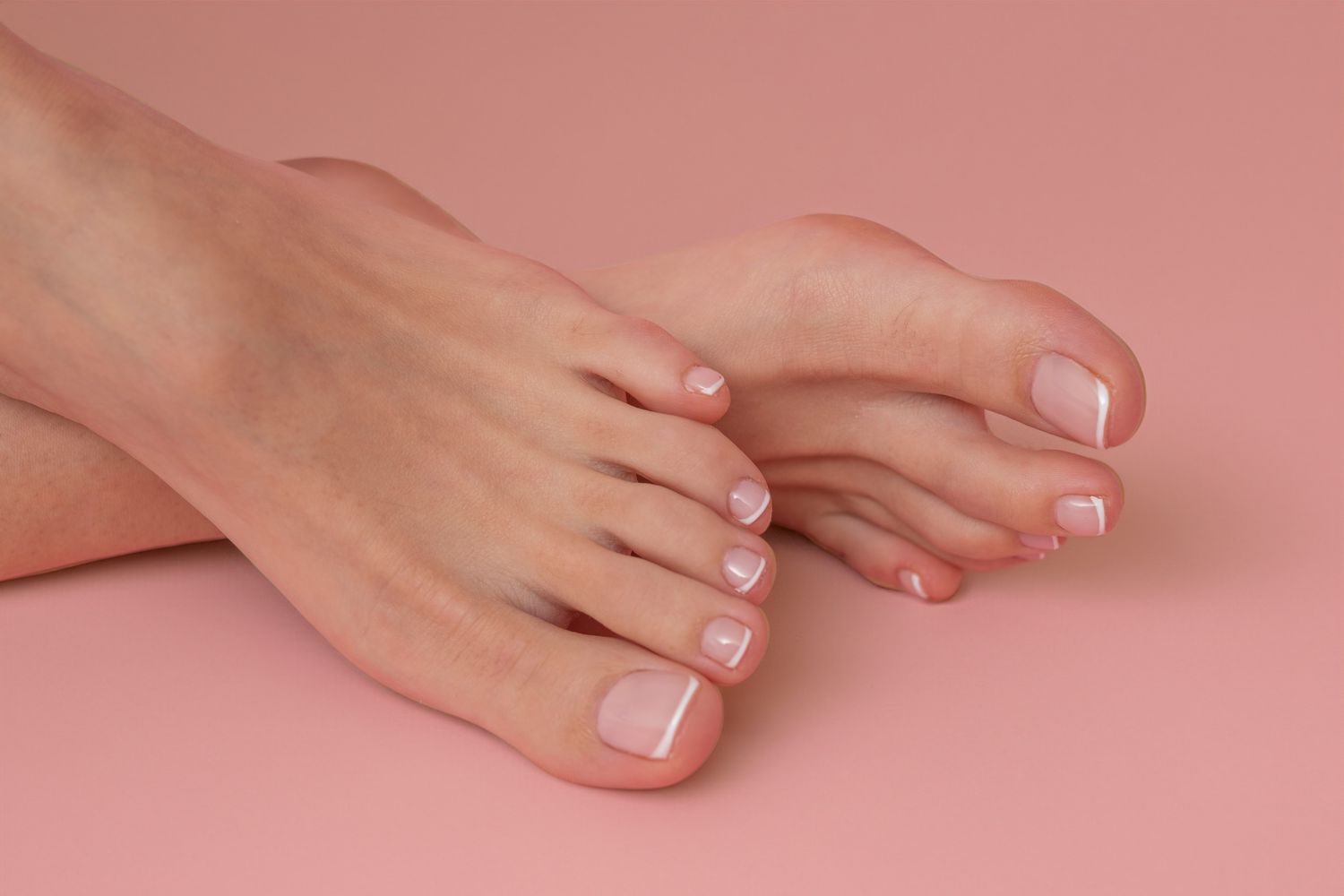
Imagine a profession where you’re simultaneously an artist and a healer, a psychologist and a sculptor, a diagnostician and a creator of comfort. A pedicurist is not just a person with a nail file in hand, but a true magician who transforms not only the appearance of your feet but also changes how your body feels in space. After all, our feet are the foundation upon which our entire world stands. Who would have thought that ordinary books could become the key to mastery in this profession?
Many believe that reading and pedicure are two parallel worlds that never intersect. But this is a superficial view! In reality, books can become that secret ingredient for a pedicure master that will elevate their art to a completely new level. And it’s not just about professional textbooks.
Have you ever heard of “proprioception”—the ability to sense the position and movement of body parts without visual control? This little-known concept from neurophysiology is directly related to a pedicurist’s work. A master familiar with this phenomenon from books on anatomy and neurobiology approaches foot massage entirely differently. They understand that by acting on certain points, they can influence not only local blood circulation but also a person’s overall coordination of movements, their posture, and even—imagine!—the functioning of internal organs.
In the world of professional pedicure, there are contradictory approaches. The Western school emphasizes aesthetics and care, viewing nails as objects of design, while Eastern traditions see the foot as a holistic map of the body, where each zone is connected to a specific organ. Books on different cultural approaches to body care help the master not simply choose one side, but create their own unique synthesis that will suit your feet perfectly.
What if we look at the foot as a landscape? Not just moist skin and nails, but an entire geographical map with mountains, plains, canyons, and even small lakes? This unexpected perspective can come from reading books on geology or landscape design. A pedicurist who has mastered this metaphor works like a true landscape architect who doesn’t just “mow the lawn” but creates a harmonious space where each element is in balance with others.
I remember once reading a book about fractal geometry—the science of repeating patterns that can be found in crystal structures, cloud formations, and leaf patterns on trees. It might seem unrelated to pedicure, but this book radically changed my approach to nail design! I began to see the connection between nail structure, finger shape, and the overall silhouette of the foot, creating designs that naturally continue and emphasize each client’s unique natural geometry.
Human feet are an amazing example of evolutionary design, where each bone, each muscle performs its function in this complex mechanism. A good pedicure master who has read books on biomechanics understands that any intervention—from treating callused skin to correcting an ingrown nail—must respect this natural construction. It’s like restoring an ancient building: it’s important to preserve its architectural integrity while delicately removing the damages of time.
What if we look at the pedicurist profession through the prism of chaos theory? This mathematical concept describing the unpredictable behavior of dynamic systems might seem infinitely distant from the world of foot baths and nail polishes. But it helps understand why the same procedure can yield different results with different clients. Tiny, imperceptible differences in skin or nail structure, metabolism, or a person’s habits can, over time, lead to enormous differences in foot condition. A master who recognizes this “sensitivity to initial conditions” approaches each client with special attention to details.
Opponents of reading fiction in the professional environment often say: “What use are made-up stories for concrete, practical work?” But it’s precisely fiction books that develop that key quality without which it’s impossible to become a great master—empathy. Reading about different lives and characters helps a pedicurist better understand their clients, their needs and fears, their pain points and moments of joy. And this understanding becomes a bridge to a truly individual approach.
In my practice, I often turn to the work of impressionist painters. Their ability to capture fleeting states of light and color directly resonates with a pedicurist’s work. After all, the color of nail polish on toenails looks completely different under various conditions—under direct sunlight, in the subdued light of a bedroom, under the fluorescent lamps of an office, or in the warm light of a restaurant. A master who reads about the play of light in art can better help a client choose exactly the shade that will work perfectly in their everyday environment.
In the modern world, where every step resonates in the joints, and fashionable shoes often turn our feet into victims of beauty, the role of a pedicurist goes beyond simple cosmetic care. The master becomes a guide to a world of health and comfort, a defender of natural biomechanics against an aggressive urban environment. And the broader their knowledge—not only about foot structure but also about shoe culture, fashion history, perception psychology—the better they fulfill this role.
Books are not just sources of information; they are portals to other worlds, other disciplines, other ways of thinking. And when a pedicurist transfers this diverse knowledge and approaches to their daily practice, they transform an ordinary hygienic procedure into a true art of caring for a person.
So the next time you’re choosing a pedicurist, pay attention not only to their diploma and certificates but also to the bookshelf in their office. Perhaps that’s where the secret of their mastery lies. And if you yourself dream of becoming a top-class pedicurist—start your journey with reading. Don’t limit yourself to narrow specialized literature; allow yourself to explore various fields of knowledge—from anatomy to art, from psychology to physics. Each book read is a new step toward the peaks of mastery. Research shows that regular reading not only broadens professional horizons but also significantly improves communication skills, increases empathy, and even reduces stress levels—qualities invaluable for a master working with people. Give yourself a new book today—and tomorrow your clients will notice how your work has transformed!