


In a world where almost everything can be turned into a screen, we might expect physical objects to become less important. Books have become e-books. Newspapers have moved online. Photographs live in cloud storage. Music can be streamed instantly, and entire libraries can fit inside a device that fits in our pocket.
And yet, we continue to print, collect, preserve and give physical things.
We buy books even when we already have access to thousands of digital titles. We print photographs that could remain safely stored on our phones. We keep concert tickets, postcards, letters and old magazines long after their practical purpose has disappeared.
Why?
The answer is not simply nostalgia. Our attachment to physical objects is deeply connected to the way our brains experience the world. What we can touch, see, smell and physically interact with can create a different kind of emotional relationship from something that exists only on a screen.
The brain does not experience “physical” and “digital” in exactly the same way
A digital file can contain the same words as a printed book. A scanned photograph can contain exactly the same image as the original. Technically, the information may be identical.
But information is not the only thing we experience.
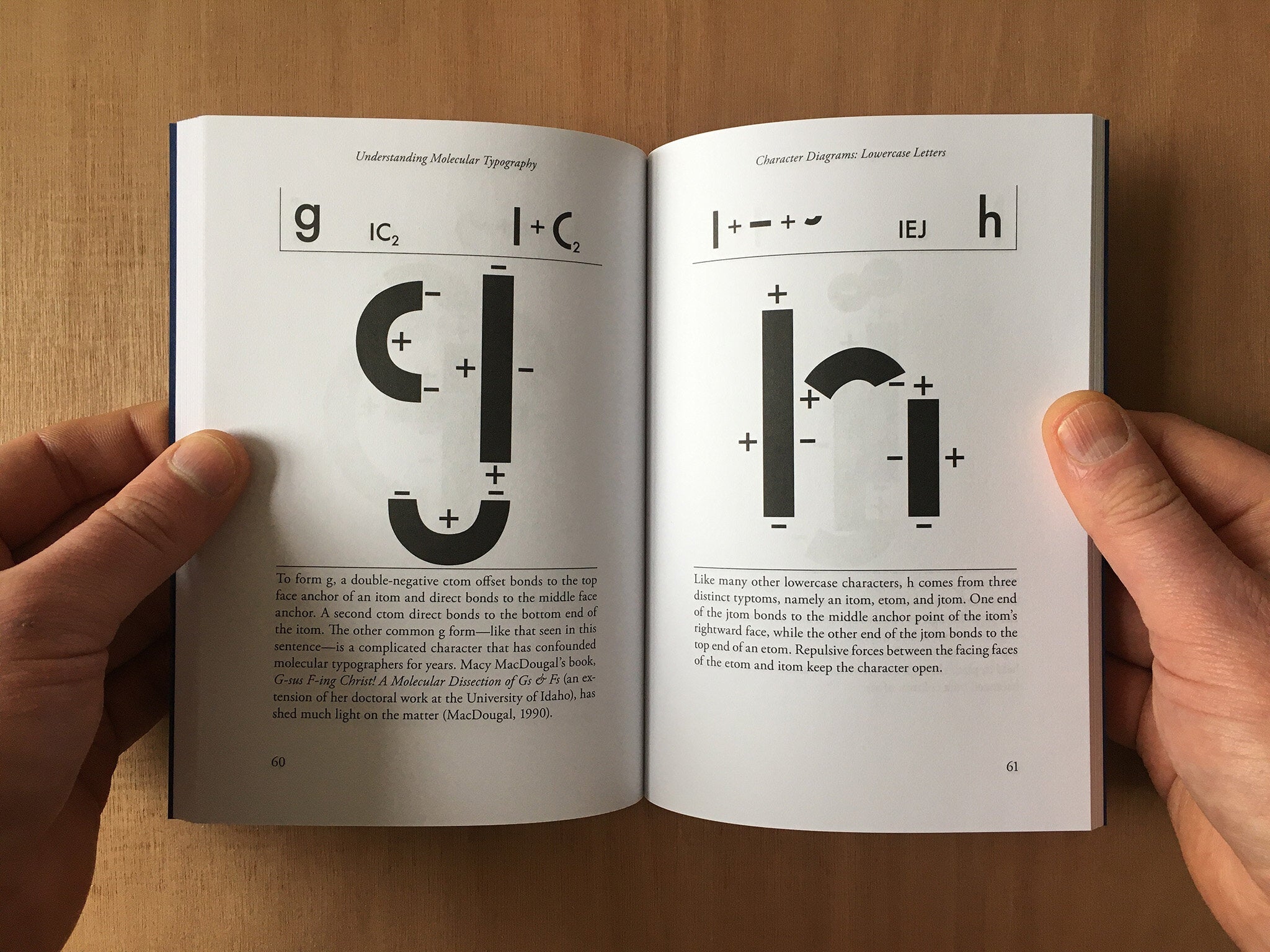
When we hold a printed book, we are not just reading its words. We feel its weight. We hear the sound of turning pages. We see the texture of the paper. We notice the cover, the typography and even the marks left by previous readers.
These sensory details become part of the experience.
Psychologists often describe this through the concept of embodied cognition: our thinking and emotional responses are influenced by our physical interaction with the world. Objects are not merely containers for information. Our bodies participate in the way we understand and remember them.
A digital book may tell us the same story. A physical book can become an experience.
Touch creates a relationship
Touch is particularly important.
We use touch to understand objects from the earliest stages of life. Texture, weight, temperature, shape and material help us establish what something is and how it relates to us.
That relationship does not disappear when we become adults.
The physical characteristics of a book, for example, can influence how we perceive it. A large hardcover may feel substantial and authoritative. A small paperback can feel intimate and portable. A beautifully designed art book can become an object of admiration before we even open it.
This is one reason why the phrase “a book” can mean more than its text.
We can remember where we bought it, who gave it to us, the café where we read it, or the train journey during which we finished it. The physical object becomes attached to a particular moment in our lives.
The book is no longer just a container of information.
It has become a memory.
Physical objects give memories a home
Digital memories are abundant. Perhaps too abundant.
Our phones can contain thousands of photographs, hundreds of saved articles and years of messages. Because digital storage is practically limitless, individual items can become difficult to distinguish from one another.
Physical objects operate differently.
There might be only one photograph on the refrigerator. One postcard on a shelf. One ticket inside an old notebook. One book with a handwritten dedication on the first page.
Their scarcity gives them significance.
A physical object can act as what psychologists sometimes call a memory cue. Seeing or touching it can reactivate memories associated with the object.
A worn paperback can suddenly remind someone of being a student. An old photograph can bring back the atmosphere of a particular holiday. A handwritten letter can make a person remember not only what was said, but who they were when they received it.
The object becomes a bridge between the present and the past.
We also develop a sense of ownership
There is another psychological factor: ownership.
Research into the so-called endowment effect suggests that people tend to place greater value on things once they feel those things belong to them.
Physical objects make ownership especially visible.
You can put a book on your shelf. You can lend it to someone. You can write your name inside it. You can rearrange your collection. You can decide which objects remain and which ones leave your home.
Digital ownership can feel more abstract. You may have access to a digital book or album, but the experience can sometimes feel closer to accessing a service than possessing an object.
A physical object occupies space in your life.
And that space matters.
The imperfections are part of the story
Digital media tends to reward perfection.
Photographs can be edited. Files can be copied without degradation. Text can be corrected instantly. Screens remain clean and identical.
Physical objects age.
Pages become yellow. Covers become scratched. Photographs fade. Posters develop creases. Books acquire fingerprints and coffee stains.
From a purely technical perspective, these changes are imperfections.
Emotionally, they can be evidence of a life being lived.
A damaged book may be more valuable to its owner than a pristine replacement because the damage tells a story. The crease might come from being carried everywhere. The coffee stain might belong to a particular period of life. Notes in the margins might reveal what the reader was thinking years ago.
The object changes together with us.
Physical media slows us down
There is also something increasingly valuable about the limitations of physical media: it is slower.
A printed book cannot instantly open another hundred tabs. A physical photograph does not generate notifications. A paper magazine does not encourage us to scroll endlessly.
The limitations themselves can create focus.
Reading a physical book often involves a series of small rituals: picking it up, opening it, finding the page, turning it and eventually placing it back on the shelf.
These actions may seem insignificant, but rituals can give activities structure and meaning.
In a digital environment designed around speed and constant stimulation, physical media can provide something different: a deliberate pace.
Why this matters in the age of screens
None of this means that digital media is inferior.
Digital formats are extraordinarily useful. They make information accessible, portable and searchable. A single device can replace an entire bookshelf, and digital archives can preserve material that might otherwise disappear.
But convenience and emotional attachment are not always the same thing.
Digital media is exceptionally good at giving us access.
Physical media is exceptionally good at giving us presence.
That distinction may explain why printed objects continue to survive despite technological change.
We do not necessarily print because paper is a more efficient way of storing information. We print because humans are not machines that consume information. We are physical, emotional creatures who build relationships with objects, spaces and sensory experiences.
A printed book has weight. A photograph has a surface. A letter carries handwriting. A poster occupies a wall.
They exist in the same physical world that we do.
And perhaps that is ultimately why we still love things we can hold.
In an increasingly intangible world, physical objects remind us that our experiences happened somewhere, at some time, to real people.
We can touch them.
We can keep them.
And sometimes, years later, we can hold them in our hands and feel a little bit of our past returning.