


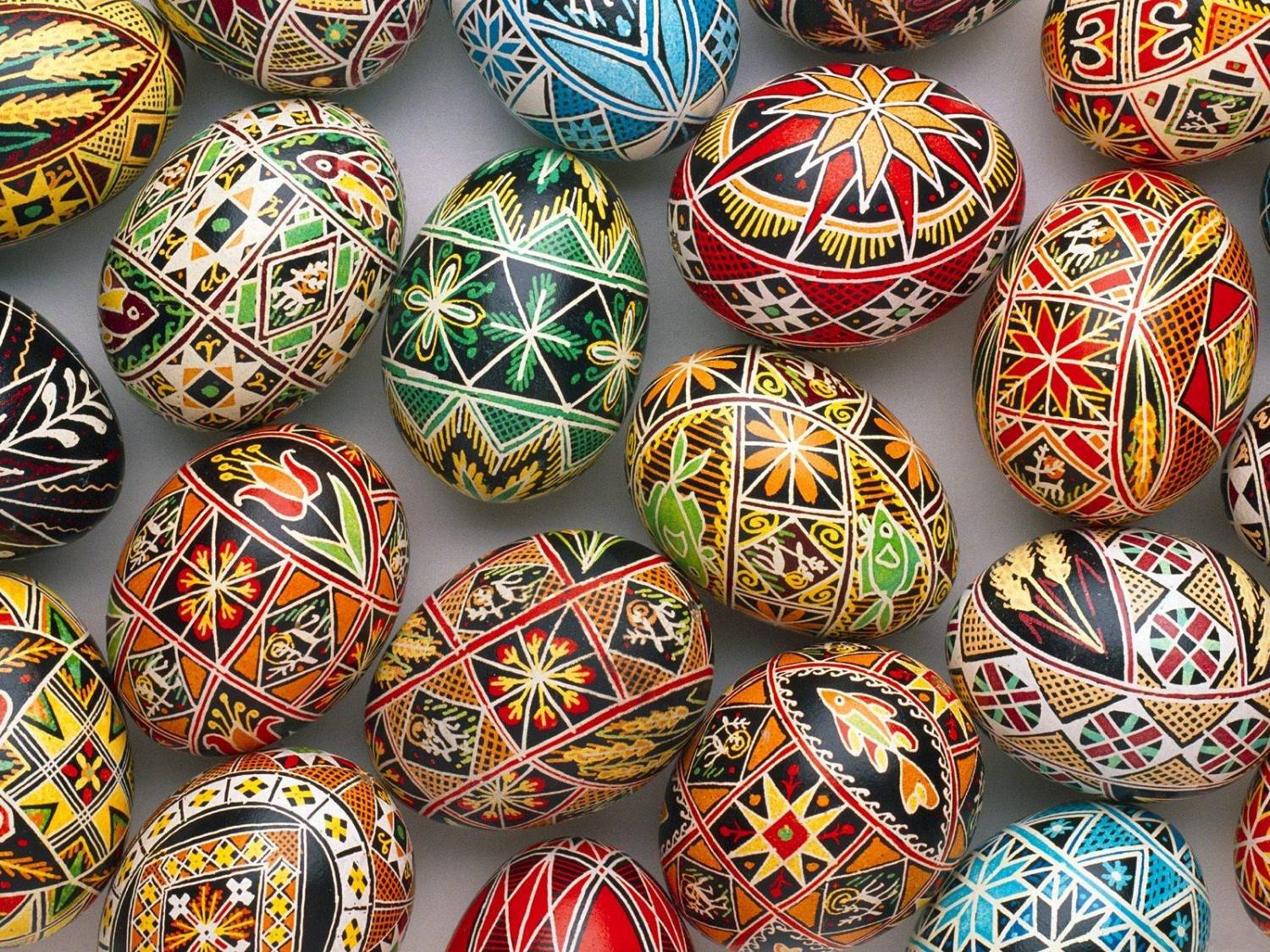
In Armenian families, spring brings not only warmth and blossoming but
also one of the most important holidays – Surb Zatik, the Holy
Resurrection of Christ. This is a time when every home fills with
special traditions, the aromas of festive dishes, and children’s
laughter. But how can we make this ancient holiday understandable and
interesting for the little ones?
Seven-year-old Lilit was eagerly awaiting this day. Her mother Anahit
always said that Zatik isn’t just a holiday, but a whole story about
life’s victory over death, about spring awakening and renewal. This
year, preparation for the holiday began with a special gift – a
colorful children’s book about Surb Zatik.
“Look,” mother showed pictures in the book, “this is how our
great-grandmothers dyed eggs red using onion skins.” Lilit studied the
illustrations with interest, where all the stages of holiday
preparation were shown: how to knead dough for gata, and how to
decorate the house with spring flowers.
On the eve of the holiday, the whole family gathered in the kitchen.
Grandmother Astghik brought out the old baking molds, while Lilit,
holding her book open, “supervised” the process: “It says here that
the dough needs to be rolled out with love for the gata to be
especially delicious!” Grandmother smiled, seeing how seriously her
granddaughter took the traditions.
On Zatik day, the house filled with guests. Lilit proudly showed her
younger cousins the pictures from her book, explaining the meaning of
each holiday symbol. She told them why eggs are dyed red, what the
festive bread symbolizes, and why it’s customary to share goodness
with others on this day.
The traditional game with dyed eggs became even more interesting when
the children learned its history from the book. “Look,” said Lilit,
showing the pictures, “this is how our great-great-grandfathers
played!” Now every action, every element of the holiday gained special
meaning for the children.
In the evening, when everyone sat at the festive table decorated with
red eggs and fresh gata, grandfather Samuel reached for David’s book and began to read the
Easter blessings written in simple words to the gathering. The younger
children listened intently with wide eyes, while the adults marveled
at how beautifully the complex traditions were explained in accessible
language.
David proudly shared his newfound knowledge with his younger cousins,
showing them pictures from the book that illustrated how Easter was
celebrated in ancient times. His excitement was contagious as he
explained the symbolism of each ritual and tradition. “The red eggs
represent new life,” he would say, pointing to the vivid
illustrations, “and we crack them together to celebrate Christ’s
resurrection!”
The family’s celebration felt more meaningful than ever before. Thanks
to the book, even the youngest children understood why they were
dyeing eggs red, what made the Easter bread special, and why certain
prayers were said at specific times. The ancient traditions came alive
through the pages, making them relevant and engaging for a new
generation.
Grandmother noticed how the book had transformed their family’s
experience of Easter. “In my childhood,” she reminisced, “we followed
the traditions but didn’t always understand their deeper meaning. Now,
these beautiful books help our children connect with their heritage in
such a meaningful way.”
As evening fell, David sat with his little sister, turning the pages
of his beloved book once more. He showed her illustrations of families
gathering for Easter throughout the centuries, pointing out how some
traditions had remained unchanged while others had evolved. The book
had made him feel connected to all those generations of Armenian
families who had celebrated this holy day before them.
After the holiday, the book found a special place on David’s shelf,
but it wasn’t left to gather dust. Throughout the year, he would often
take it down to read again, each time discovering new details about
his cultural heritage. His friends would visit and ask to see the
book, fascinated by the stories and traditions it contained.
In our modern world, where ancient traditions sometimes struggle to
find their place, books like these become precious bridges between
past and present. They help children not just observe customs but
truly understand and embrace them, ensuring that cultural heritage
remains vibrant and meaningful for each new generation.
Perhaps there are children in your family too, eager to learn about
their Armenian heritage? Consider how valuable it would be to give
them the gift of understanding their roots through stories and
illustrations that speak their language. After all, each such book
isn’t just a collection of pages – it’s a key to unlocking the rich
cultural treasure that we pass down to our children.
For tomorrow’s keepers of tradition, today’s understanding becomes the
foundation of lifelong connection to their heritage. Isn’t it
wonderful to think that a simple book can open such a magical door to
understanding and appreciation of these timeless celebrations?