


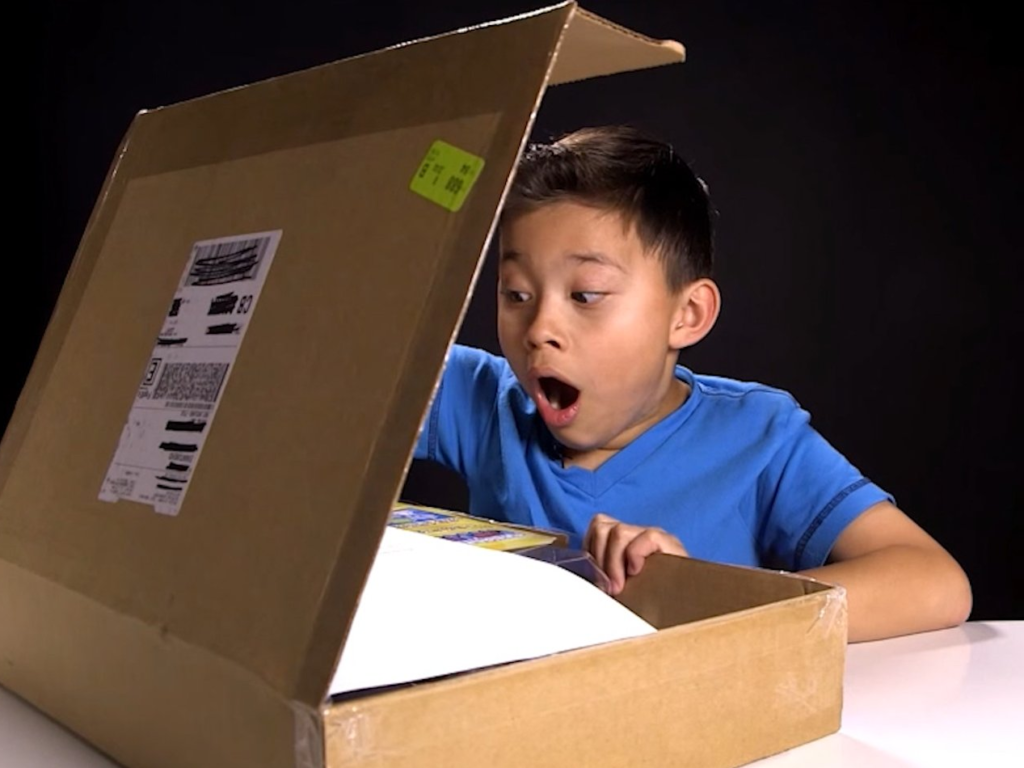
In the age of e-commerce, social media, and digital-first marketing, the phrase “unboxing experience” has become an essential part of brand strategy. Millions of videos across YouTube, TikTok, and Instagram prove that people no longer buy products solely for their functionality—they buy experiences. From luxury fashion and cosmetics to electronics, books, and gourmet food, consumers increasingly judge a brand not only by the product itself but also by the way it is presented.
While many discussions about unboxing focus on packaging design, premium materials, or creative inserts, one crucial element often goes unnoticed: printing. Before a customer touches the product, opens the box, or reads the accompanying note, printing has already shaped their expectations. Every logo, texture, illustration, color, and message that creates an emotional connection exists because of thoughtful printing decisions.
In reality, every memorable unboxing experience begins long before the package reaches the customer’s doorstep—it begins at the printing press.
The First Impression Is Printed
Psychologists have long known that first impressions form within seconds. The same principle applies to products. Before customers evaluate quality or functionality, they immediately process visual cues.
Printed packaging communicates countless messages without saying a single word:
- Is the brand premium or affordable?
- Is it modern or traditional?
- Is sustainability a priority?
- Is attention paid to detail?
- Does the company value craftsmanship?
The answers often come from typography, print quality, color consistency, finishing techniques, and material selection rather than the product itself.
A luxury perfume wrapped in poorly printed packaging instantly loses its exclusivity. Likewise, a handcrafted artisan product presented in thoughtfully printed packaging immediately feels more valuable.
Printing establishes trust before the customer even opens the box.
Packaging as Brand Storytelling
Today’s consumers expect brands to tell stories. They want to know who made the product, why it exists, and what values the company represents.
Printing transforms ordinary packaging into a storytelling medium.
Instead of plain cardboard, brands can include:
- Origin stories
- Founder messages
- Product instructions
- Sustainability commitments
- Brand missions
- Historical timelines
- Illustrations inspired by local culture
- Personalized thank-you notes
These elements deepen emotional engagement because they give customers something to read, explore, and remember.
For book publishers, this might include beautifully printed dust jackets, author letters, or illustrated endpapers. For cosmetic brands, it may be elegant product guides or ingredient explanations. Food producers often print recipes or serving suggestions directly inside the packaging.
Without printing, many of these storytelling opportunities simply wouldn’t exist.
The Psychology Behind Printed Details
People naturally appreciate craftsmanship.
Small printed details communicate that extra care has been invested in the product.
Examples include:
- Foil stamping
- Embossed logos
- Spot UV finishes
- Soft-touch coatings
- Textured paper
- Metallic inks
- Letterpress printing
- Custom illustrations
These finishes stimulate multiple senses simultaneously. Even before customers use the product, they begin interacting with it visually and physically.
Research in consumer psychology consistently shows that tactile experiences influence perceived product quality. Premium print finishes encourage customers to slow down, explore the packaging, and appreciate the purchase.
In many cases, these subtle details become the reason customers remember the brand.
Why Printing Matters in the Social Media Era
Twenty years ago, packaging was primarily seen by one person: the buyer.
Today, a single package may appear in front of thousands—or even millions—of viewers through unboxing videos and social media posts.
This changes everything.
Packaging has become shareable content.
Brands now design printed materials specifically with photography and video in mind.
High-quality printing ensures:
- Rich, vibrant colors on camera
- Sharp typography
- Elegant finishes under lighting
- Consistent branding across every angle
- Memorable visual identity
An aesthetically pleasing package encourages customers to post photos online, effectively turning them into brand ambassadors.
Every shared image becomes free advertising.
In many cases, the printed package receives nearly as much attention as the product inside.
Printing Creates Emotional Anticipation
The best unboxing experiences don’t begin when customers open the package.
They begin when customers first see it.
Imagine receiving two identical products.
The first arrives in a plain brown box with no branding.
The second arrives in beautifully printed packaging featuring elegant typography, premium textures, thoughtful messaging, and carefully coordinated colors.
Even before opening either package, customers naturally expect the second product to be of higher quality.
This phenomenon is known as expectation shaping.
Printing influences emotional anticipation by creating excitement before the product is revealed.
Luxury brands have mastered this principle for decades.
Their packaging is carefully printed to make customers feel that every purchase is a special occasion.
Consistency Builds Trust
Brand consistency is one of the strongest predictors of customer recognition.
Printing plays a central role in maintaining that consistency.
Every printed element should align perfectly across:
- Shipping boxes
- Product boxes
- Labels
- Instruction manuals
- Warranty cards
- Business cards
- Stickers
- Promotional inserts
- Thank-you notes
Color accuracy, typography, logo placement, and print quality must remain uniform.
A customer who receives inconsistent packaging may subconsciously question the authenticity or professionalism of the brand.
Professional printing ensures every customer receives the same experience regardless of where or when the product was produced.
Sustainable Printing Is Becoming Part of the Experience
Modern consumers increasingly care about environmental responsibility.
Packaging now communicates sustainability as much as aesthetics.
Printing companies have responded by offering environmentally friendly solutions such as:
- Recycled paper
- FSC-certified materials
- Soy-based inks
- Water-based coatings
- Minimal ink coverage
- Biodegradable packaging components
These choices don’t simply reduce environmental impact—they also become part of the brand narrative.
Many companies now print sustainability messages directly onto packaging, helping customers understand the environmental decisions behind the product.
The result is an unboxing experience that reflects both quality and responsibility.
Personalization Through Print
Digital printing has revolutionized customization.
Unlike traditional mass production, modern printing technologies allow brands to personalize packaging efficiently.
Examples include:
- Customer names
- Limited-edition artwork
- Regional packaging
- Seasonal messages
- Event-specific branding
- Personalized thank-you cards
- QR codes leading to custom content
Personalization transforms packaging from something generic into something meaningful.
Receiving a package that includes your name or a customized printed message creates a stronger emotional connection than receiving standard packaging.
Customers remember brands that make them feel recognized.
Beyond the Box
The unboxing experience extends far beyond the outer package.
Many printed components contribute to the overall impression:
- Tissue paper
- Printed ribbons
- Stickers
- Greeting cards
- Certificates of authenticity
- Care instructions
- Product catalogs
- Discount coupons
- Loyalty program invitations
Each printed piece serves a purpose.
Together, they guide the customer through a carefully designed journey.
Instead of simply delivering information, these materials reinforce the brand’s identity and create moments of delight throughout the unboxing process.
Books: A Perfect Example
Few industries understand the relationship between printing and unboxing better than publishing.
Opening a newly purchased book is an experience in itself.
Readers notice:
- The quality of the cover
- The texture of the paper
- The sharpness of the printed text
- The richness of illustrations
- Decorative endpapers
- Dust jackets
- Bookmarks
- Slipcases
- Collector’s editions
These printed elements shape the emotional connection before the first chapter is even read.
Collectors often treasure beautifully printed editions not only because of the content but because of the craftsmanship involved in producing them.
Special editions demonstrate how printing transforms books into objects worth displaying, gifting, and preserving for years.
Printing as a Competitive Advantage
In highly competitive markets, products often offer similar features and pricing.
Packaging becomes one of the few remaining opportunities for differentiation.
Exceptional printing helps brands stand out by communicating professionalism, quality, and attention to detail.
Customers may forget technical specifications, but they often remember how a product made them feel.
That feeling frequently begins with the printed package.
Companies that invest in premium printing aren’t simply purchasing packaging—they are investing in customer perception, brand loyalty, and long-term recognition.
The Future of Printed Unboxing Experiences
Technology continues to expand what printed packaging can achieve.
Innovations include:
- Smart packaging with QR codes
- Augmented reality experiences activated through printed graphics
- NFC-enabled printed labels
- Variable-data printing for personalization
- Interactive fold-out packaging
- Hidden printed messages
- Security printing for authenticity verification
These developments blend traditional craftsmanship with digital interaction.
Rather than replacing print, digital technologies are making printed packaging even more engaging.
The future of unboxing lies in combining physical and digital experiences seamlessly.
Conclusion
The excitement of opening a package may seem spontaneous, but behind every memorable unboxing experience lies careful planning—and exceptional printing.
Printing is far more than a manufacturing step. It is the foundation upon which branding, storytelling, emotional engagement, and customer perception are built. Every carefully chosen typeface, vibrant color, embossed logo, personalized note, and sustainable material contributes to an experience that begins long before the product is revealed.
In today’s marketplace, where customers eagerly share their purchases online and expect brands to offer memorable experiences rather than simple transactions, printing has become one of the most powerful tools for creating lasting impressions. It transforms ordinary packaging into a communication platform, a storytelling device, and an extension of the product itself.
Ultimately, customers may remember the product they purchased—but they are just as likely to remember how it was presented. And more often than not, that memorable first impression begins not with opening the box, but with the quality, creativity, and craftsmanship of the printing that brought the entire experience to life.