


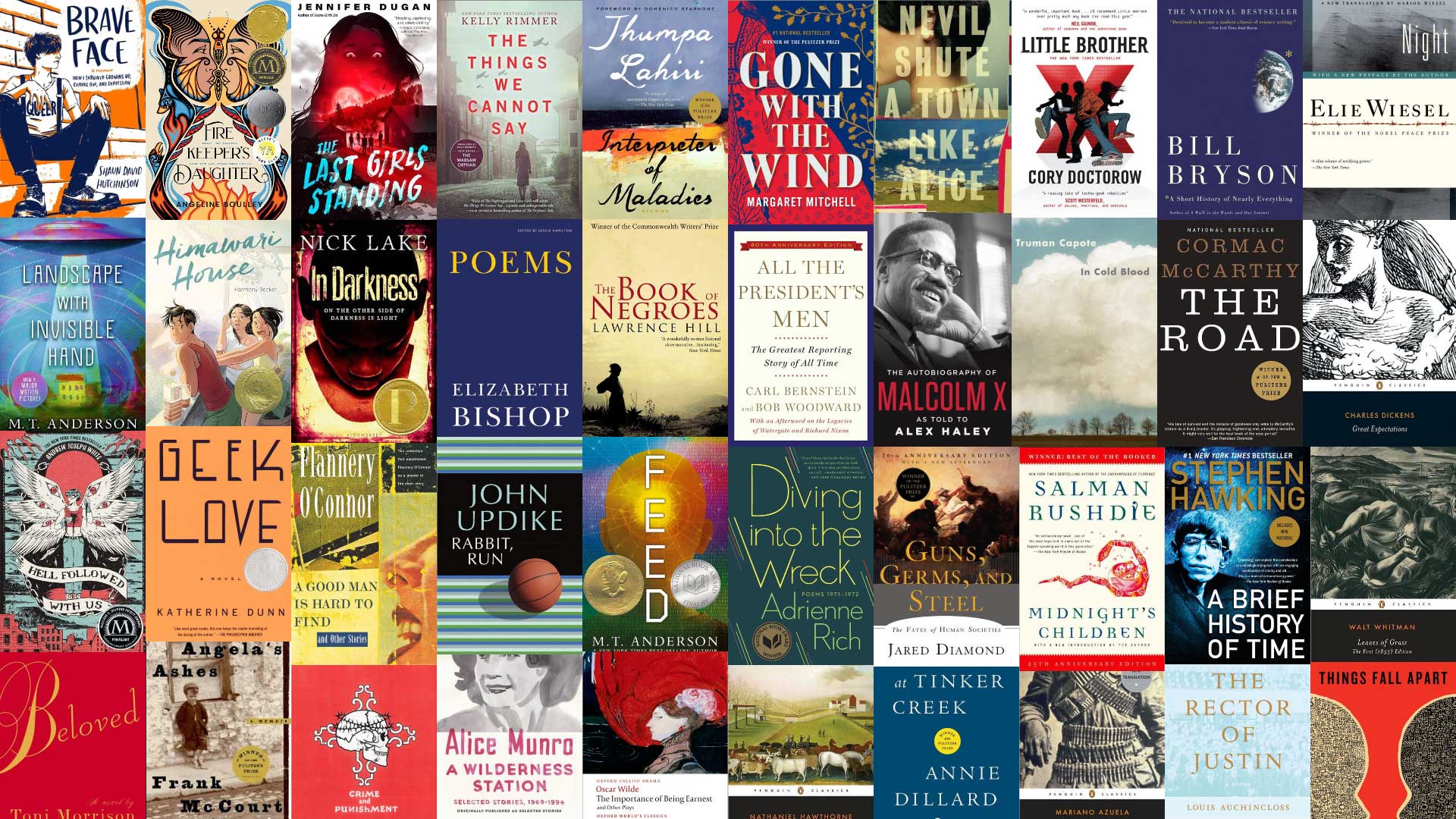
There are books we enjoy, books we admire, and then there are books that define us—quietly shaping the way we think, feel, and understand the world. These are the classics. They transcend time, geography, and culture, offering insights that remain as relevant today as when they were first written. Reading world classics is not simply a literary exercise; it is an encounter with humanity in its rawest and most refined forms.
Below are ten world classics that everyone should read at least once. Each of them opens a door into a different world, yet together they form a shared human story.
1. War and Peace – Leo Tolstoy
Few novels capture the scale of human life quite like War and Peace. Set against the backdrop of the Napoleonic Wars, it weaves together personal stories, philosophical reflections, and historical events into a monumental narrative.
What makes this book essential is not just its scope, but its depth. Tolstoy explores love, fate, power, and the illusion of control. Through characters like Pierre and Natasha, readers confront questions about purpose and identity that feel strikingly modern.
This is not just a story—it’s an experience.
2. Pride and Prejudice – Jane Austen
At first glance, Pride and Prejudice might seem like a simple romance. But beneath its elegant prose lies a sharp critique of class, gender, and social expectations.
Elizabeth Bennet remains one of literature’s most beloved heroines because she is intelligent, independent, and unafraid to challenge societal norms. Austen’s wit and irony make this novel both entertaining and deeply insightful.
It reminds us that love, when it comes, must be grounded in respect and self-awareness.
3. Crime and Punishment – Fyodor Dostoevsky
This psychological masterpiece delves into the mind of Raskolnikov, a young man who commits a crime and then struggles with the consequences—not just legally, but morally and spiritually.
Dostoevsky forces readers to confront uncomfortable questions: What justifies a crime? Can guilt be escaped? What does redemption look like?
It is a dark, intense novel, but one that leaves a lasting imprint.
4. Don Quixote – Miguel de Cervantes
Often considered the first modern novel, Don Quixote is both a comedy and a profound meditation on reality and illusion.
The story of a man who believes he is a knight in a world that no longer believes in chivalry is at once absurd and deeply moving. Don Quixote’s idealism contrasts with the pragmatism of those around him, raising timeless questions about dreams and disillusionment.
It teaches us that sometimes, the line between madness and courage is thinner than we think.
5. The Great Gatsby – F. Scott Fitzgerald
Set in the Jazz Age, The Great Gatsby is a story about wealth, ambition, and the elusive nature of the American Dream.
Jay Gatsby’s longing for a past that can never be reclaimed resonates deeply with modern readers. Fitzgerald’s prose is lyrical, almost poetic, capturing both the glamour and emptiness of a society obsessed with appearances.
It is a short novel, but one that lingers long after the final page.
6. One Hundred Years of Solitude – Gabriel García Márquez
This novel introduced many readers to magical realism—a style where the extraordinary blends seamlessly with the ordinary.
Following the Buendía family across generations, Márquez creates a world that feels both mythical and deeply human. Themes of memory, time, and solitude run throughout the narrative.
It is a book that demands patience but rewards readers with a uniquely immersive experience.
7. 1984 – George Orwell
In an age of surveillance, misinformation, and political tension, 1984 feels more relevant than ever.
Orwell’s dystopian vision of a society controlled by “Big Brother” explores the dangers of authoritarianism and the manipulation of truth. Concepts like “doublethink” and “thoughtcrime” have entered everyday language for a reason.
It is a warning—a powerful reminder of what can happen when freedom is eroded.
8. The Odyssey – Homer
One of the oldest surviving works of literature, The Odyssey tells the story of Odysseus’s long journey home after the Trojan War.
But beyond its adventures—cyclopes, sirens, and gods—it is a story about perseverance, identity, and belonging. Odysseus’s journey is not just physical; it is deeply personal.
Even thousands of years later, it speaks to the universal human desire to find one’s way home.
9. To Kill a Mockingbird – Harper Lee
Through the eyes of a child, this novel explores racism, injustice, and moral growth in the American South.
Atticus Finch stands as a symbol of integrity and courage, reminding readers of the importance of standing up for what is right—even when it is difficult.
It is both a coming-of-age story and a powerful social commentary.
10. The Brothers Karamazov – Fyodor Dostoevsky
Another masterpiece by Dostoevsky, this novel examines faith, free will, and the nature of good and evil.
Through the lives of the Karamazov brothers, it explores philosophical and spiritual questions that remain unresolved to this day. It is dense and complex, but also deeply rewarding.
For many readers, it becomes not just a book, but a lifelong companion.
Why These Classics Matter
Reading classics is often seen as a challenge—something reserved for students or literature enthusiasts. But in reality, these works are for everyone.
They matter because they connect us across time. When you read The Odyssey, you are engaging with a story told nearly 3,000 years ago. When you read 1984, you are confronting fears that continue to shape modern society.
They also expand empathy. By stepping into different lives, cultures, and eras, we begin to see the world from perspectives beyond our own. This is perhaps the greatest gift literature can offer.
Finally, classics endure because they ask questions rather than provide answers. What is justice? What is love? What does it mean to live a meaningful life? These are questions that never lose their relevance.
How to Approach Reading Classics
If you’re new to classic literature, it’s natural to feel intimidated. The language may feel unfamiliar, the pacing slower, the themes heavier. But the key is to approach these books with curiosity rather than obligation.
Start with one that genuinely interests you. Take your time. Don’t be afraid to reread passages or look up context. And most importantly, allow yourself to form your own interpretations.
Classics are not meant to be “solved”—they are meant to be experienced.
Final Thoughts
In a fast-paced world dominated by short content and constant updates, reading a classic can feel like an act of resistance. It requires time, attention, and reflection.
But the reward is immense.
These ten books are more than just stories—they are windows into the human condition. They challenge us, comfort us, and sometimes even change us.
And perhaps that is the true power of a classic: not that it has endured for generations, but that it continues to live within each new reader who opens its pages.