


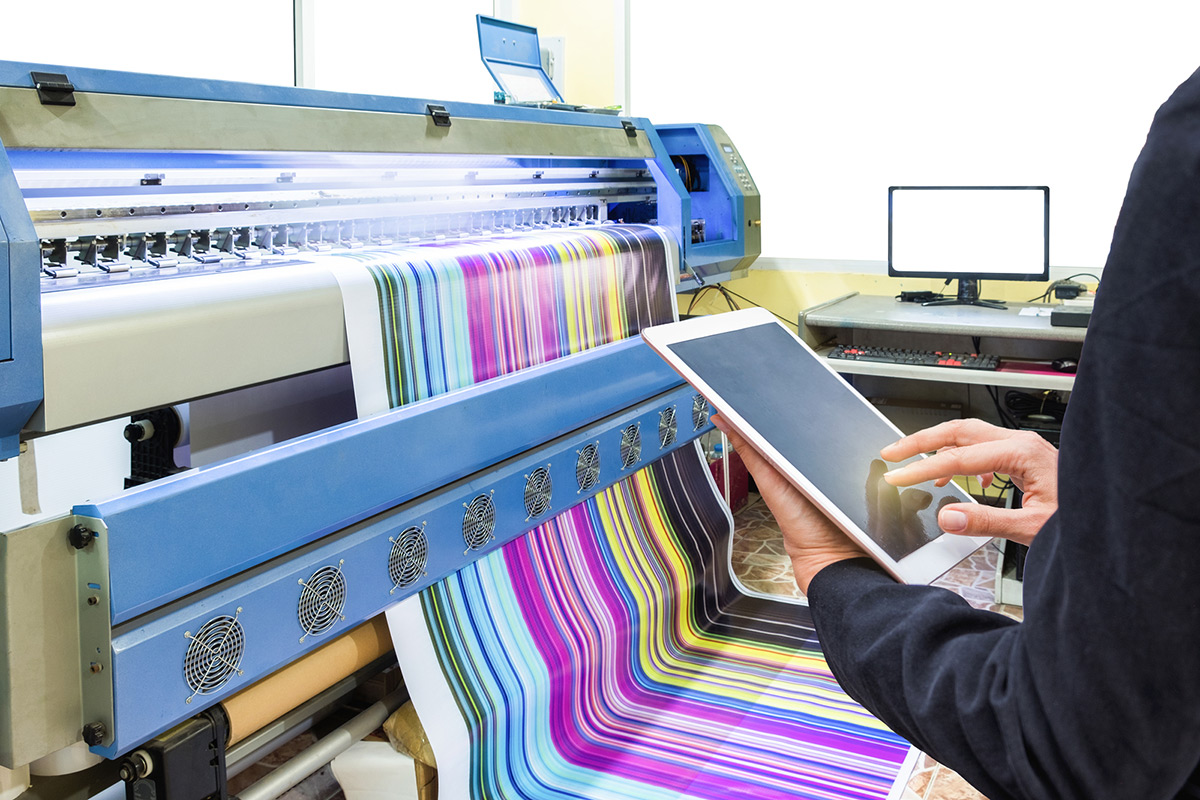
In a world where visual communication is more important than ever, printing has evolved far beyond books, brochures, and business cards. One of the most impactful advancements in the printing industry is large-format printing—a technology that allows businesses, artists, and institutions to create bold, oversized visuals that capture attention instantly.
From billboards towering over highways to stunning exhibition graphics and branded retail environments, large-format printing has become an essential tool in modern communication. But what exactly is it, how does it work, and where is it used?
Let’s explore.
What Is Large-Format Printing?
Large-format printing (also known as wide-format printing) refers to the production of printed materials that are too large to be handled by standard commercial printers. Typically, this includes anything wider than 18–24 inches (around 45–60 cm), though many large-format printers can produce outputs that are several meters wide.
Unlike traditional printing methods, large-format printing is designed to create high-resolution visuals on a much bigger scale, without sacrificing clarity, color accuracy, or detail.
The process uses specialized printers that can handle a wide range of materials—not just paper, but also vinyl, fabric, canvas, foam board, acrylic, and more. These printers rely on advanced ink systems, such as UV-curable, solvent, eco-solvent, or latex inks, depending on the application.
How Large-Format Printing Works
At its core, large-format printing is similar to digital printing—but on a much larger scale and with more versatile materials.
Here’s a simplified breakdown of the process:
1. Design Preparation
Everything starts with a digital file. Designers create artwork using software like Adobe Illustrator or Photoshop, ensuring the resolution is high enough to maintain quality at large sizes.
2. Scaling and Optimization
Since the final output is significantly larger than standard prints, files must be carefully scaled. Color profiles, bleed areas, and viewing distance are all taken into account. For example, a billboard doesn’t need the same pixel density as a poster viewed up close.
3. Material Selection
One of the defining features of large-format printing is the variety of substrates available. Depending on the purpose, printers may use:
- Vinyl (for banners and signage)
- Canvas (for art reproductions)
- Fabric (for backdrops and exhibitions)
- Rigid boards (for displays and installations)
4. Printing Technology
Different types of printers are used depending on the project:
- Inkjet large-format printers for high-quality indoor graphics
- UV printers for durable, weather-resistant prints
- Solvent or eco-solvent printers for outdoor applications
5. Finishing
After printing, materials may be laminated, mounted, cut, or framed. Finishing ensures durability and enhances the final appearance.
Key Advantages of Large-Format Printing
Large-format printing is not just about size—it offers a unique set of advantages that make it indispensable in many industries.
1. High Visual Impact
Big prints naturally attract attention. Whether it’s a storefront display or a city billboard, large-format visuals are designed to stand out.
2. Versatility
Few printing methods can match the range of materials and applications possible with large-format printing.
3. Durability
With the right inks and finishes, prints can withstand weather, UV exposure, and physical wear, making them ideal for outdoor use.
4. Customization
Each print can be tailored to a specific space or purpose, allowing for fully customized visual experiences.
5. Cost Efficiency for Large Graphics
For large-scale visuals, this method is often more efficient than trying to piece together multiple smaller prints.
Where Is Large-Format Printing Used?
Large-format printing plays a critical role across multiple industries. Its applications are both functional and creative, shaping how we experience physical spaces.
1. Advertising and Marketing
This is perhaps the most visible use of large-format printing.
- Billboards along highways
- Transit advertising (buses, trains, метро stations)
- Outdoor banners and posters
- Retail window displays
Brands rely on large-format printing to deliver messages at scale. These visuals are designed to be seen from a distance and remembered instantly.
2. Retail and Commercial Spaces
Walk into any modern store, and you’ll likely see large-format printing in action.
- Wall graphics and murals
- Point-of-sale displays
- Promotional signage
- Floor graphics
Retailers use these prints to create immersive environments, guide customer behavior, and reinforce brand identity.
3. Events and Exhibitions
From trade shows to cultural festivals, large-format printing is essential for creating visually engaging spaces.
- Backdrops and stage designs
- Exhibition panels
- Wayfinding signage
- Branded installations
In events, scale matters. Large-format prints help define space, communicate information, and enhance the overall experience.
4. Architecture and Interior Design
Large-format printing is increasingly used in interior design and architecture.
- Custom wallpapers and wall coverings
- Glass graphics
- Decorative panels
- Floor-to-ceiling prints
Designers use it to transform spaces, adding texture, storytelling, and identity to interiors.
5. Art and Photography
Artists and photographers benefit greatly from large-format printing.
- Fine art reproductions on canvas
- Gallery exhibitions
- Limited-edition prints
High-resolution printing allows artworks to be reproduced with exceptional detail and color fidelity, often at impressive scales.
6. Education and Public Institutions
Schools, universities, and museums use large-format printing for both functional and educational purposes.
- Informational displays
- Exhibition graphics
- Educational posters
- Historical timelines
In these settings, clarity and visual engagement are crucial, making large-format printing an ideal solution.
7. Construction and Real Estate
In construction and real estate, large-format printing is used to communicate plans and promote projects.
- Site signage
- Project renderings
- Safety boards
- Hoardings (temporary walls around construction sites)
Developers use large visuals to present future spaces and attract investors or buyers.
8. Vehicle Branding (Wraps)
One of the most dynamic uses of large-format printing is vehicle wrapping.
- Full car wraps
- Fleet branding
- Delivery vehicle advertising
Printed vinyl wraps turn vehicles into moving advertisements, offering high visibility across cities.
Indoor vs Outdoor Applications
Large-format printing is often divided into two categories:
Indoor Printing
Used for environments where prints are viewed up close:
- Higher resolution
- More detailed graphics
- Materials like paper, fabric, or canvas
Outdoor Printing
Designed for durability and visibility from a distance:
- Weather-resistant inks
- UV protection
- Materials like vinyl and mesh
Understanding the context of use is essential when choosing the right materials and technology.
The Role of Technology in Large-Format Printing
Advancements in technology have significantly improved the quality and accessibility of large-format printing.
Modern printers offer:
- Ultra-high resolution
- Faster production speeds
- Eco-friendly ink options
- Ability to print on unconventional surfaces
Additionally, innovations like UV printing allow for printing directly onto rigid materials, opening new possibilities in design and manufacturing.
Sustainability Considerations
As with any industrial process, sustainability is becoming increasingly important.
The industry is moving toward:
- Eco-solvent and water-based inks
- Recyclable and biodegradable materials
- Energy-efficient printing systems
Businesses are now more conscious of the environmental impact of their printed materials and are choosing greener alternatives whenever possible.
The Future of Large-Format Printing
Large-format printing continues to evolve alongside design, technology, and consumer expectations.
Emerging trends include:
- Integration with digital experiences (QR codes, AR)
- Personalized large-scale prints
- Smart materials and interactive surfaces
- Greater focus on sustainability
As physical spaces remain an essential part of human experience, large-format printing will continue to play a vital role in shaping how we communicate visually.
Conclusion
Large-format printing is more than just “big printing.” It is a powerful medium that bridges design, technology, and space. Whether used for advertising, art, architecture, or education, it transforms ideas into immersive, tangible experiences.
In a world saturated with digital content, large-scale physical visuals still hold a unique power—the ability to stop people in their tracks, to define environments, and to communicate messages at a glance.
And that is exactly why large-format printing isn’t just everywhere—it’s essential.