


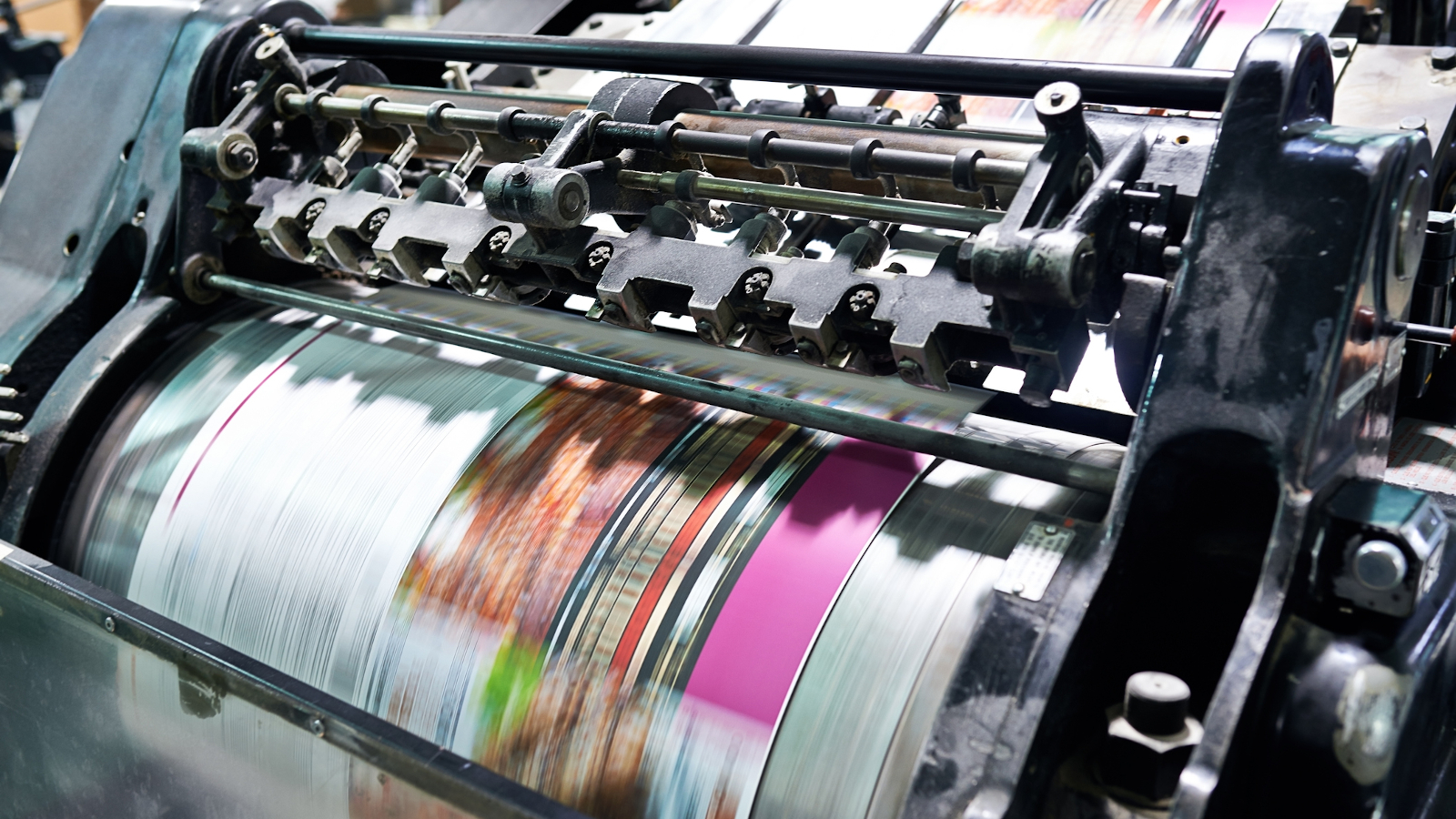
The printing industry has undergone a remarkable transformation over the past few decades. What was once a labor-intensive process dependent on manual setup, physical proofing, and repetitive mechanical operations has evolved into a highly sophisticated ecosystem powered by automation, artificial intelligence, robotics, and digital workflows. Today, modern printing houses are no longer simply production facilities — they are technology-driven operations where efficiency, precision, speed, and scalability determine competitiveness.
Automation has become one of the defining forces behind this evolution. From prepress preparation and color management to packaging, finishing, and logistics, automation is reshaping how printing houses operate and how they deliver value to customers. In an era where clients expect shorter turnaround times, personalized products, consistent quality, and cost-effective solutions, automation is no longer optional — it is essential.
Understanding Printing Automation
Automation in printing refers to the use of software, machines, robotics, and integrated digital systems to perform tasks with minimal human intervention. Instead of relying on manual adjustments and repetitive labor, automated systems streamline workflows, reduce errors, and improve production speed.
Modern automation can affect virtually every stage of the printing process:
- File preparation and prepress
- Color correction and proofing
- Plate creation
- Print production
- Quality control
- Finishing and cutting
- Packaging and sorting
- Inventory management
- Delivery logistics
The result is a more connected, efficient, and intelligent printing environment capable of handling both mass production and highly customized orders.
The Shift from Traditional to Digital Workflows
Traditional printing houses relied heavily on manual coordination between departments. Designers prepared files, operators manually adjusted printing presses, technicians checked colors by eye, and finishing processes often required constant supervision. While effective for decades, these workflows were time-consuming and vulnerable to human error.
Automation has fundamentally changed this model through digital integration. Today, many printing houses use centralized workflow software that connects every stage of production. Once a customer uploads a file, the system can automatically verify formatting, detect resolution issues, assign the correct print settings, calculate costs, schedule production, and even prepare machinery for printing.
This digital workflow dramatically reduces production delays and creates a smoother operational process from start to finish.
Faster Production and Reduced Turnaround Times
One of the most obvious benefits of automation is speed. In modern printing, clients often expect same-day or next-day production, especially for commercial materials, packaging, promotional products, and personalized printing.
Automated systems accelerate production in several ways:
Automated File Processing
Software can instantly analyze uploaded files and identify problems such as:
- Incorrect dimensions
- Low image resolution
- Missing fonts
- Color profile mismatches
- Bleed or margin errors
Instead of waiting for manual review, files can be approved or corrected automatically within seconds.
Smart Press Setup
Modern digital presses can automatically calibrate color, align substrates, and adjust printing parameters without requiring lengthy manual preparation. This significantly reduces setup time between jobs.
Continuous Production
Automated production lines allow machines to run continuously with minimal interruption. Robotics and conveyor systems can transport printed materials between stages, reducing idle time and increasing overall productivity.
The ability to complete more orders in less time gives printing houses a major competitive advantage.
Improved Accuracy and Quality Control
Human error has always been one of the biggest challenges in printing. A small mistake in color calibration, cutting alignment, or file preparation can result in wasted materials, missed deadlines, and dissatisfied customers.
Automation improves consistency and accuracy through advanced monitoring systems.
Automated Color Management
Modern printing systems use digital color management tools to maintain color consistency across multiple print runs and devices. Sensors and software continuously monitor color output and make real-time corrections when necessary.
This is especially important for:
- Brand identity materials
- Packaging production
- Luxury printing
- Magazine publishing
- Large-format advertising
Clients expect their colors to remain identical across thousands of copies, and automation makes this possible.
Machine Vision Inspection
Many printing houses now use cameras and AI-powered visual inspection systems to detect defects during production. These systems can identify:
- Misalignment
- Ink inconsistencies
- Smudges
- Scratches
- Missing elements
- Cutting errors
Defective products can be automatically removed before reaching the customer, improving quality assurance while reducing manual inspection labor.
Cost Reduction and Operational Efficiency
Automation also plays a major role in reducing operational costs. Although implementing automated technologies often requires significant initial investment, the long-term savings can be substantial.
Reduced Labor Costs
Automated systems can handle repetitive tasks that previously required multiple employees. This does not necessarily eliminate jobs entirely, but it shifts human labor toward more specialized and strategic roles such as system management, creative design, quality supervision, and customer service.
Lower Material Waste
Automated calibration and monitoring systems minimize errors, which reduces wasted paper, ink, chemicals, and packaging materials. Even small reductions in waste can generate major savings over time, especially in large-scale production environments.
Energy Optimization
Many modern machines are designed to optimize energy consumption automatically. Smart production scheduling also helps reduce unnecessary machine downtime and power usage.
In a highly competitive market where profit margins are often tight, operational efficiency is critical for survival.
Customization and Variable Data Printing
One of the most exciting developments enabled by automation is mass customization. Traditional printing was primarily designed for large-volume identical outputs, but modern consumers increasingly expect personalized products and targeted communication.
Automated digital printing systems now make variable data printing possible. This means that every printed piece within a single production run can contain unique information, such as:
- Personalized names
- QR codes
- Individual promotions
- Custom graphics
- Unique serial numbers
- Regional language variations
This technology is widely used in:
- Marketing campaigns
- Packaging
- Event materials
- Educational publishing
- Direct mail advertising
Automation allows printing houses to produce highly customized materials efficiently without slowing production.
Robotics in Printing Houses
Robotics has become another major component of automation in modern printing facilities. Robotic systems are increasingly used for:
- Material handling
- Stacking and sorting
- Packaging
- Palletizing
- Loading and unloading presses
These tasks are physically demanding and repetitive, making them ideal for robotic automation.
Robotics not only improves efficiency but also enhances workplace safety by reducing the risk of injury associated with heavy lifting and repetitive movements.
In large industrial printing environments, robotic systems can operate around the clock, significantly increasing production capacity.
Artificial Intelligence and Predictive Maintenance
Artificial intelligence is beginning to play a transformative role in the printing industry as well. AI-powered systems can analyze machine performance, production patterns, and maintenance data to optimize operations.
Predictive Maintenance
Rather than waiting for machines to fail, AI systems can predict when components are likely to wear out or malfunction. This allows technicians to perform maintenance before costly breakdowns occur.
Benefits include:
- Reduced downtime
- Lower repair costs
- Longer equipment lifespan
- Improved production reliability
Predictive maintenance is particularly valuable in high-volume printing houses where equipment failure can disrupt entire production schedules.
Workflow Optimization
AI can also help optimize job scheduling and resource allocation. Intelligent systems can determine the most efficient production sequence based on:
- Machine availability
- Delivery deadlines
- Material requirements
- Labor capacity
This creates a smarter and more adaptive production environment.
Sustainability and Environmental Impact
Sustainability has become a major priority for the printing industry, and automation contributes significantly to environmentally responsible production.
Reduced Waste
Precise automated systems reduce misprints, setup waste, and overproduction. Digital workflows also reduce paper usage associated with manual proofs and administrative documentation.
Eco-Friendly Ink and Resource Management
Modern automated systems can carefully regulate ink usage, water consumption, and chemical applications. This helps minimize environmental impact while lowering operating costs.
Print-on-Demand Production
Automation supports print-on-demand models, where materials are produced only when needed. This reduces excess inventory and unnecessary waste.
As environmental regulations become stricter and customers increasingly value sustainability, automation helps printing houses remain compliant and competitive.
Challenges of Automation
Despite its many advantages, automation also presents challenges.
High Initial Investment
Advanced printing equipment, software integration, robotics, and AI systems require substantial financial investment. Smaller printing houses may struggle to adopt these technologies quickly.
Workforce Adaptation
Employees must learn new technical skills to operate and manage automated systems. This requires ongoing training and workforce development.
Cybersecurity Risks
As printing houses become more digitally connected, cybersecurity becomes increasingly important. Automated systems connected to cloud platforms and networks may become vulnerable to cyberattacks if not properly protected.
Technology Dependence
Highly automated operations rely heavily on software and machine functionality. Technical failures can potentially disrupt entire production processes.
Successful printing companies must balance automation with skilled human oversight and strategic planning.
The Future of Automated Printing
The future of printing automation is likely to become even more advanced. Emerging technologies such as machine learning, cloud manufacturing, smart factories, and fully autonomous production systems are expected to further transform the industry.
Future developments may include:
- AI-generated print optimization
- Fully autonomous production lines
- Advanced robotic finishing systems
- Real-time global production monitoring
- Integration with augmented reality and interactive packaging
- Hyper-personalized printing at industrial scale
Printing houses are increasingly evolving into intelligent manufacturing centers capable of adapting rapidly to market demands.
Conclusion
Automation has become one of the most powerful driving forces behind the modernization of printing houses. By improving efficiency, reducing errors, lowering costs, increasing customization capabilities, and supporting sustainability, automated technologies are fundamentally reshaping the industry.
Modern printing is no longer defined solely by presses and ink — it is defined by software, data, robotics, and intelligent systems working together in a synchronized digital environment. Printing houses that embrace automation are better positioned to meet the growing demands of speed, quality, flexibility, and environmental responsibility.
At the same time, automation does not eliminate the importance of human expertise. Creativity, strategic thinking, customer communication, and technical oversight remain essential components of successful printing operations. The most effective modern printing houses combine advanced automated systems with skilled professionals who can manage technology intelligently and innovatively.
As technology continues to evolve, automation will undoubtedly play an even greater role in shaping the future of printing, transforming traditional production facilities into smart, adaptive, and highly efficient manufacturing ecosystems.