


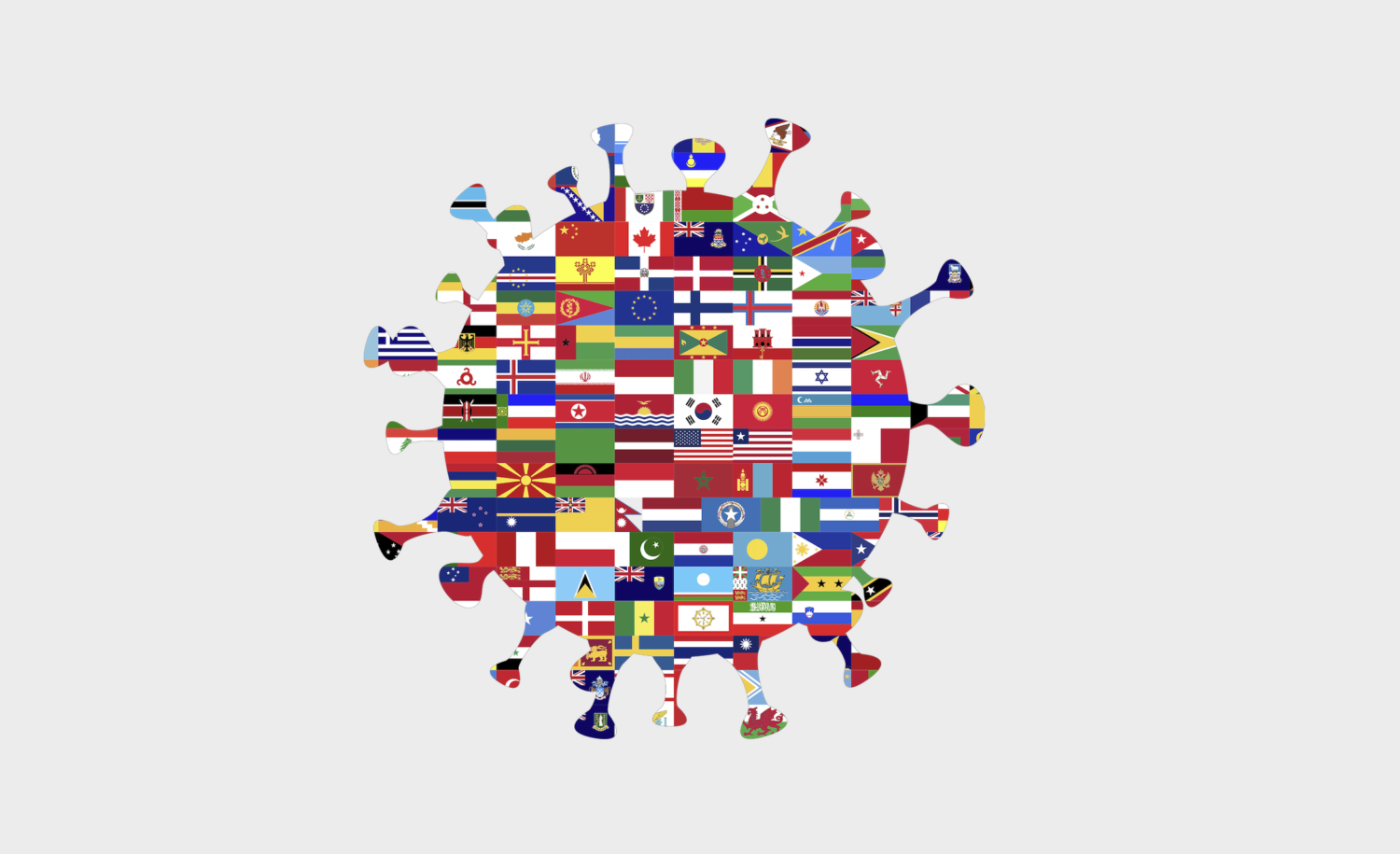
In a world that feels increasingly interconnected yet often divided by misunderstanding, world literature offers one of the most powerful tools for building cultural empathy. Through stories, poems, and novels written across continents and centuries, readers are invited into lives and perspectives far removed from their own. World literature does more than entertain—it allows us to travel across borders, witness different ways of thinking, and recognize the shared humanity beneath cultural differences.
Reading literature from around the world is not simply about learning facts about other societies. It is about experiencing emotions, conflicts, traditions, and values from within. A history book might tell us when a revolution happened or how a society is structured, but literature shows us how people felt living through those moments. Through characters, settings, and personal narratives, writers capture the textures of everyday life that statistics and news reports often miss.
Literature as a Cultural Window
Every piece of literature emerges from a specific cultural context. The language, customs, social expectations, and even humor embedded in a story reflect the society in which it was created. When readers engage with world literature, they are essentially opening a window into another culture’s worldview.
For instance, the works of Gabriel García Márquez immerse readers in the magical and political realities of Latin America. Through novels like One Hundred Years of Solitude, readers encounter not only imaginative storytelling but also reflections of colonial history, family structures, and social struggles that shaped the region.
Similarly, Japanese literature often explores themes of subtle emotion, social harmony, and the passage of time. Writers such as Haruki Murakami combine modern alienation with elements of Japanese cultural identity, offering readers insight into how contemporary Japan navigates tradition and globalization.
By stepping into these narratives, readers experience cultures not as outsiders observing from a distance, but as participants in deeply human stories.
Understanding Everyday Life Across Cultures
One of the most powerful aspects of world literature is its ability to portray the rhythms of everyday life. These details—family meals, childhood memories, celebrations, fears, and hopes—reveal how people live and think in different parts of the world.
For example, novels by Chimamanda Ngozi Adichie such as Half of a Yellow Sun explore Nigerian history through the lives of ordinary individuals. Readers learn not only about the political context of the Nigerian Civil War but also about family relationships, social hierarchies, and the emotional consequences of conflict.
These narratives remind us that cultures are not abstract concepts but living systems shaped by people’s daily experiences. Through literature, we witness how cultural values influence decisions, relationships, and identity.
Challenging Stereotypes and Simplifications
Modern media often presents simplified or stereotypical images of other cultures. News coverage may focus primarily on crises, politics, or conflict, leaving little room for the complexity of everyday life. World literature helps counter these narrow perspectives by presenting cultures through nuanced, multidimensional stories.
When readers encounter diverse characters from different backgrounds, they begin to see beyond stereotypes. Literature allows cultures to speak for themselves through authentic voices rather than through external interpretation.
Consider the works of Orhan Pamuk, whose novels such as My Name Is Red explore the intersections of East and West within Turkish society. His stories reveal how individuals negotiate tradition, religion, art, and modernity—topics often reduced to simplistic narratives in global media discussions.
Through literature, readers gain a deeper understanding of the internal debates and cultural tensions that shape societies.
Discovering Shared Human Experiences
While world literature highlights cultural differences, it simultaneously reveals how much people across cultures share. Love, grief, ambition, fear, curiosity, and the search for meaning appear in stories from every corner of the globe.
The novels of Leo Tolstoy, particularly Anna Karenina, explore themes of family, morality, and personal freedom that resonate far beyond Russia. Readers from different backgrounds recognize themselves in the struggles of characters living in a completely different time and place.
This recognition is one of literature’s most powerful effects. By identifying with characters from other cultures, readers begin to understand that human emotions transcend borders. Cultural differences remain important, but they exist within a shared human experience.
Language, Translation, and Cultural Exchange
Translation plays a crucial role in the global circulation of literature. Without translators, many of the world’s greatest literary works would remain inaccessible to international readers. Translation allows stories to travel, carrying cultural ideas, philosophies, and artistic traditions across linguistic boundaries.
Through translated literature, readers gain access to intellectual and artistic traditions that might otherwise remain distant. A novel originally written in Spanish, Arabic, Japanese, or Armenian becomes part of a global conversation about storytelling and human experience.
Translation also encourages readers to appreciate linguistic diversity. Each language contains unique expressions, metaphors, and cultural references that shape how stories are told. Even in translation, traces of these cultural nuances remain, enriching the reading experience.
Literature as Cultural Dialogue
World literature does not exist in isolation; it forms a network of influences and conversations across time and geography. Writers often read and respond to works from other cultures, creating new forms of storytelling that blend traditions.
Modern authors draw inspiration from classical texts, mythologies, and global literary movements. For instance, the magical realism associated with Latin American literature has influenced writers around the world, just as European modernism shaped many twentieth-century authors outside Europe.
This ongoing dialogue demonstrates how cultures continuously learn from one another. Literature becomes a meeting point where ideas, aesthetics, and perspectives interact.
Encouraging Empathy in a Globalized World
Perhaps the most important contribution of world literature is its ability to cultivate empathy. When readers immerse themselves in stories from unfamiliar cultures, they practice imagining the lives of others. This imaginative act builds emotional understanding, even when cultural differences remain significant.
Empathy developed through reading can influence how people approach real-world interactions. A reader who has experienced stories from different cultural perspectives may be more open to listening, learning, and engaging respectfully with people from other backgrounds.
In a globalized society where international collaboration is increasingly common—in education, business, science, and art—this cultural sensitivity becomes invaluable.
Expanding Intellectual and Creative Horizons
World literature also expands readers’ intellectual and creative perspectives. Different literary traditions experiment with narrative structures, symbolism, and storytelling techniques in unique ways. Exposure to these diverse forms enriches the reader’s understanding of what literature can be.
Some cultures emphasize poetic language and symbolism, while others focus on realism or philosophical reflection. By reading widely, readers encounter new ways of thinking about narrative, identity, and imagination.
For writers, scholars, and creative professionals, world literature becomes an essential source of inspiration. It reveals how storytelling evolves across cultures and encourages experimentation with new literary forms.
The Role of World Literature Today
In the digital age, access to global literature has never been easier. Online bookstores, translation initiatives, and international literary festivals have expanded the availability of books from different cultures. Readers can discover voices from regions that were once underrepresented in global publishing.
This growing accessibility strengthens cross-cultural understanding. As readers explore literature from Africa, Asia, Latin America, the Middle East, and Eastern Europe, they encounter stories that challenge assumptions and broaden perspectives.
At the same time, the increasing visibility of diverse voices ensures that global culture becomes more inclusive and representative.
Conclusion
World literature serves as one of humanity’s most powerful bridges between cultures. Through stories, readers gain insight into how people live, think, and feel in different parts of the world. Literature reveals cultural traditions, challenges stereotypes, and highlights shared human experiences.
By engaging with voices from across the globe, readers become participants in a vast cultural dialogue that transcends borders and generations. In doing so, they develop empathy, curiosity, and a deeper understanding of the complex world we inhabit.
Ultimately, world literature reminds us that while cultures may differ in language, customs, and history, the stories we tell often reflect the same fundamental human desire—to understand ourselves and each other.