


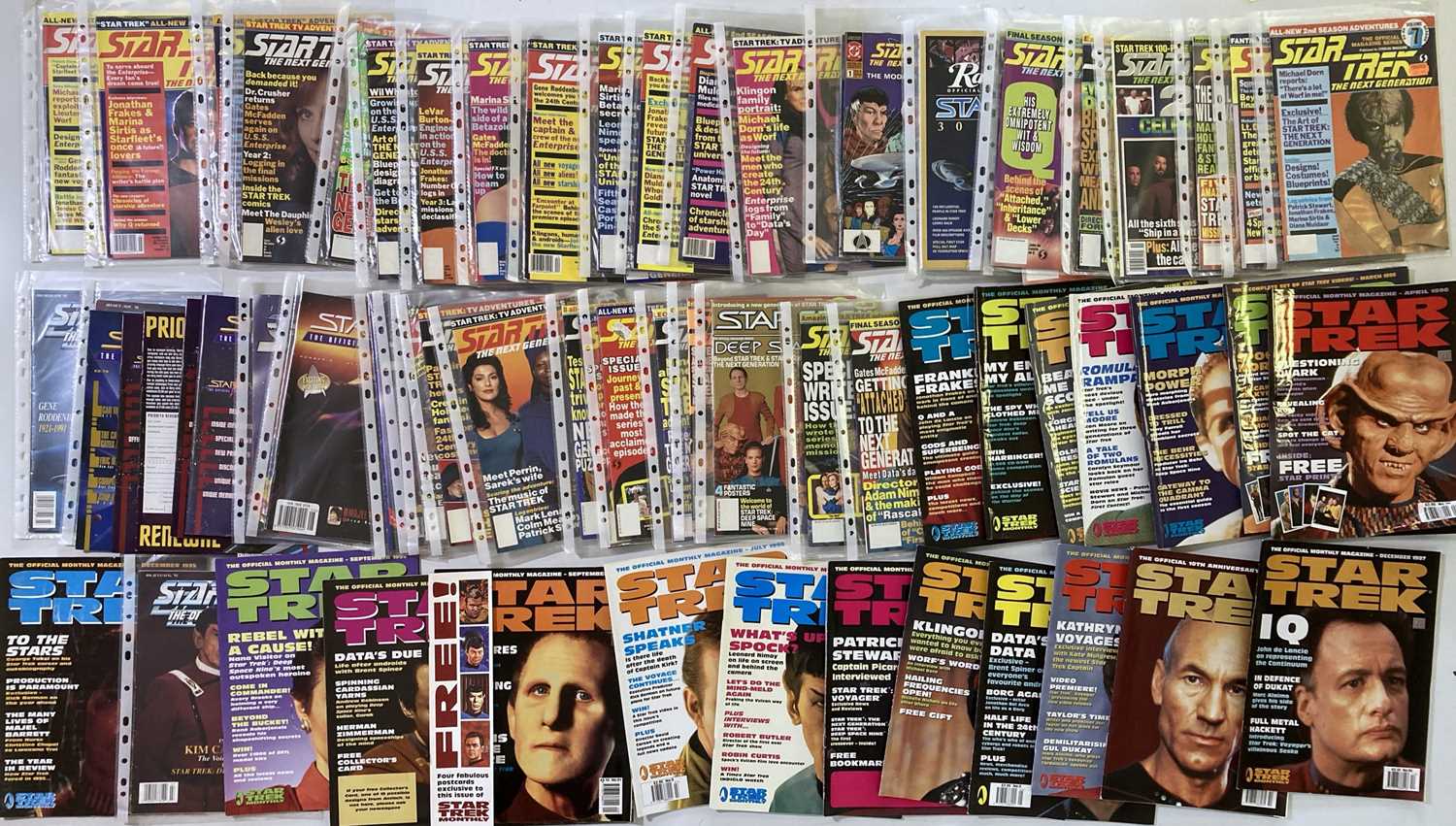
In a world where digital content is infinite and available at the swipe of a finger, the idea of collecting printed magazines might seem nostalgic—or even outdated. But look closer, and a different story emerges. Limited-edition magazines, special issues, and heritage publications are not only surviving in the digital age; they are gaining cultural, artistic, and even financial value as collectibles.
From independent niche zines to legacy brands like Vogue, National Geographic, The New Yorker, and Time, print magazines continue to cultivate passionate communities of readers, designers, historians, and collectors. Many of these publications evolve beyond simple periodicals; they become cultural artifacts, preserved as snapshots of moments, movements, and aesthetics that define their era.
So, what transforms a magazine into a collector’s item? And why does print continue to hold such power, even when most readers consume media online? Let’s explore.
The Emotional Value of Tangibility
One of the most compelling reasons magazines become collectible is their physicality. A printed magazine is not just a container of information—it’s an object, with weight, texture, fragrance, and form.
In a world dominated by screens, a printed issue provides something people deeply crave: a tactile experience. Turning the pages, feeling the paper quality, examining the photography and typography—this creates a moment of presence that digital media rarely facilitates.
Collectors often describe certain magazines as “time capsules.” The physical object becomes a vessel of memory, history, and even identity. A special issue you bought during a significant moment in your life can later evoke emotions far stronger than any bookmarked webpage.
Scarcity: The Key to Collectability
Unlike digital content, which is endlessly replicable, printed magazines are finite. Once an issue sells out, it no longer exists in circulation—only in the hands of those who saved it.
Several factors influence scarcity:
-
Limited print runs: Small independent magazines often print as few as 300–2,000 copies.
-
Special editions: Anniversary issues, fold-out covers, or collaborations with artists create exclusivity.
-
Discontinued publications: When a magazine stops publishing, all previous issues become inherently rarer.
-
Cover variations: High-fashion magazines sometimes release multiple covers per issue—leading collectors to hunt for the complete set.
Scarcity drives demand, which is why certain issues of Vogue Italia, i-D, Interview Magazine, or The Face sell for hundreds of dollars on resale platforms. The same dynamic moves early Wired issues, 1990s National Geographic covers, or first editions of niche cultural journals.
Print is finite—and that finiteness is a currency.
Iconic Covers: The Power of Visual Culture
Many magazine issues become collectible primarily because of their covers. A striking, unusual, or historically relevant cover can instantly elevate a publication into an icon.
Think of:
-
The September Issue of Vogue each year
-
Time’s “Person of the Year” editions
-
Rolling Stone first appearances of major artists
-
The New Yorker political covers by Barry Blitt or Art Spiegelman
-
Harper’s Bazaar covers featuring groundbreaking fashion photography
-
National Geographic’s legendary 1985 “Afghan Girl” cover
A cover is often the defining image of the cultural moment. Collectors hunt these issues because they represent visual history—an era’s style, mood, and social consciousness captured in one frame.
Cultural and Historical Significance
Magazines chronicle cultural evolution in real time. When looking back, archived issues reveal the aesthetics, anxieties, aspirations, and controversies of their era.
That’s why issues covering:
-
landmark elections
-
technological breakthroughs
-
historic protests
-
celebrity debuts
-
fashion turning points
-
social movements
-
global crises
often become highly collectible.
The physical format preserves these narratives in a way that digital content, constantly updated or deleted, simply cannot. A printed issue is a fixed historical moment—unaltered, unedited, frozen forever.
This stability makes magazines valuable not only for collectors, but also for researchers, designers, educators, and curators who study cultural history through printed media.
The Design Factor: When Magazines Become Art Objects
Many magazines achieve collectible status because they are beautiful.
Independent and avant-garde publications have elevated magazine design to the realm of art, experimenting with:
-
unconventional formats
-
textured or embossed covers
-
premium paper
-
experimental layouts
-
photography-driven storytelling
-
collaborations with artists and illustrators
Magazines like Cabinet, Another Magazine, The Gentlewoman, Apartamento, Kinfolk, Cereal, and System are often treated as design objects—displayed on shelves, coffee tables, and gallery spaces.
Collectors value these issues not just for content but for craftsmanship. A well-designed magazine feels like a book: something to preserve rather than discard.
The Celebrity Factor
Celebrity culture plays a significant role in magazine collectability.
A debut cover, a rare photoshoot, or a controversial feature instantly increases value.
For example:
-
Early Beyoncé, Rihanna, Billie Eilish, or Lady Gaga covers
-
First magazine appearances of actors or fashion icons
-
Last interviews or photo sessions before major life events
-
Censored or controversial covers that were recalled
These editions often circulate in niche collector markets at elevated prices.
Magazines as Financial Investments
It may sound surprising, but magazines have become an investment category.
Collectors increasingly treat rare issues the way people treat vintage vinyl, first-edition books, or art prints.
A few examples:
-
1990s issues of The Face and i-D regularly sell for $100–$300.
-
Vogue Italia “Black Issue” (2008) sells for $200+.
-
First issues of major magazines often reach four-digit prices.
-
Zines from early punk or street culture movements are extremely valuable.
Investing in magazines is appealing because:
-
They are relatively affordable at the time of release.
-
They appreciate in value as supply diminishes.
-
Their condition can dramatically influence price.
-
Their cultural relevance tends to increase with time.
Collectors often store magazines in archival sleeves, similar to how comic books are preserved.
The Rise of Niche Collecting Communities
The digital age hasn’t killed magazine culture—it has amplified it.
Online forums, Discord channels, Instagram communities, and resale platforms have created vibrant subcultures of collectors who exchange, discuss, and trade rare issues.
Some communities focus on:
-
fashion photography
-
editorial design
-
music and pop culture
-
architecture and interior design
-
independent zines
-
region-specific publications
-
discontinued magazines
These digital spaces create new life for print, allowing magazines to circulate across borders and generations.
Ironically, the very technologies that threatened print have now helped preserve and elevate it.
Sustainability and Slow Media
Another reason magazines are becoming collectible is the growing appreciation for slow, intentional consumption.
In contrast to the overwhelming speed and noise of digital content, magazines offer:
-
curation instead of chaos
-
depth instead of distraction
-
meaningful storytelling instead of endless scrolling
People increasingly value fewer, better things—objects crafted with purpose.
Collectible magazines embody the philosophy of slow media: high-quality design, thoughtful writing, and lasting relevance.
How Magazines Build Legacy
When magazines become collectors’ items, they transcend their temporary nature.
They build:
-
cultural legacy — documenting the evolution of society
-
artistic legacy — elevating photography, illustration, and graphic design
-
editorial legacy — preserving influential voices and ideas
-
brand legacy — reinforcing the identity of a publication
Legacy is the ultimate currency of print.
What Defines a Collectible Magazine? A Checklist
A magazine is likely to become collectible if it has:
✔ A limited print run
✔ A striking or iconic cover
✔ High-quality design and materials
✔ Cultural, political, or artistic significance
✔ Early or rare celebrity appearances
✔ Collaborations with notable artists or designers
✔ Historical relevance
✔ Discontinued or rare issues
✔ Strong emotional or nostalgic value
The more boxes an issue checks, the more likely it is to be treasured—and to appreciate in value.
The Future: Print as Luxury, Memory, and Art
Although mass-market magazines may continue to struggle, premium and niche publications are entering a renaissance. Print is no longer the default medium—it is the special medium.
Magazines that survive and thrive today understand this. They publish fewer issues but with higher quality. They collaborate with artists, create collectible editions, and focus on craftsmanship.
In the future, magazines will increasingly be:
-
luxury items
-
design objects
-
archival pieces
-
cultural markers
-
limited-edition releases
The age of print is not over—it is evolving.
Conclusion
When magazines become collectors’ items, they remind us why print still matters.
They carry history in their pages, evoke emotion through their design, and capture cultural shifts with a permanence that digital media cannot replicate.
In an era of fleeting content, a magazine that becomes collectible is more than a publication—it is a piece of cultural heritage. A preserved moment. A tangible story. A work of art.
And that is something worth collecting.